Key Takeaways
Navigating the parts ecosystem for electric vehicles requires precision and a commitment to safety, especially when sourcing components for advanced collision repairs. This guide outlines the essential steps for verifying suppliers and maintaining institutional compliance.
- Prioritize sourcing components from authorized channels to preserve factory warranty and safety integrity.
- Use the official collision information website to confirm repair guidelines for structural replacement procedures.
- Regularly audit supplier documentation to ensure that your parts inventory matches manufacturer requirements.
- Implement a strict verification process for salvaged materials to mitigate risks associated with electronic component failures.
- Train technical staff specifically on the unique installation protocols required for proprietary EV hardware.
Understanding the Tesla parts ecosystem
Repairing vehicles with integrated electronics requires a deep dive into how manufacturers distribute their hardware. The landscape is split between factory-direct supply and third-party sources, each presenting different trade-offs.
The difference between OEM and aftermarket components
Genuine original equipment manufacturer (OEM) parts are designed to meet exact specifications for integration, fitting perfectly with existing sensor suites. In contrast, aftermarket items are produced by entities not affiliated with the factory, often filling gaps where OEM supply chains might experience delays as noted in general aftermarket parts discussions.
Tesla’s specific safety and engineering standards
Safety systems in these vehicles are fundamentally tied to the precision of their mechanical components, requiring rigorous tolerances. Because of how these systems communicate, experts often utilize Model 3 parts guidance to distinguish between items that can be sourced broadly and those needing proprietary handling.
The risks associated with using non-verified parts
Installing unverified modules can lead to persistent diagnostic error codes or, in extreme cases, the total failure of critical driver-assistance systems. Relying on unauthorized hardware risks compromising the integrity of the vehicle’s structural and software backbone.
Identifying genuine Tesla branding and packaging
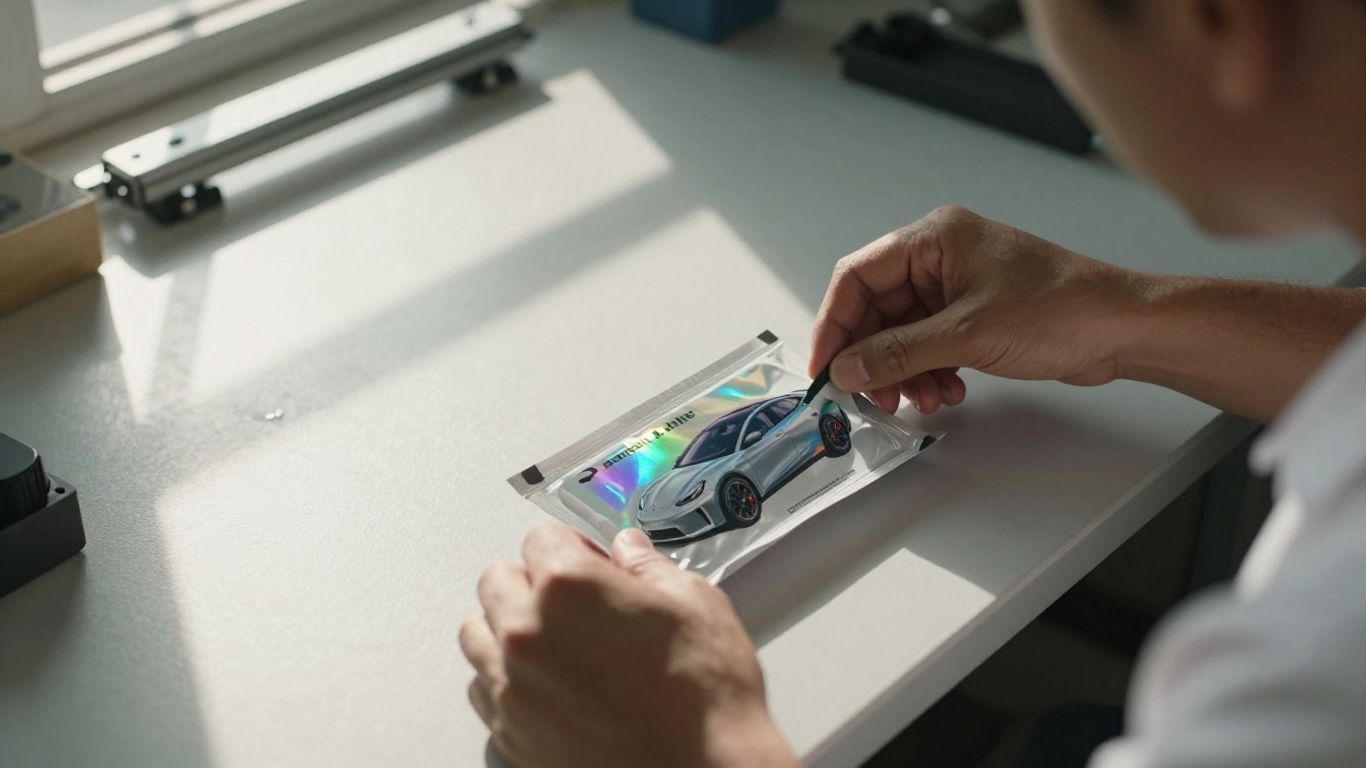
Authentic components are usually shipped with specific labeling that correlates to internal tracking numbers provided by the manufacturer. These labels serve as the primary indicator for technicians to verify that an item was sourced through the Tesla parts supply chain rather than an unauthorized source.
How to identify authentic Tesla certified parts suppliers
Locating reliable vendors is a multi-layered process that begins with verifying direct distribution channels and ends with confirming logistical credibility. Repair facilities must treat parts sourcing as a critical component of their quality assurance program.
Checking the official Tesla service center network
This is the baseline for all high-stakes repairs, as these centers act as the primary conduits for components that require special handling or software coupling. Establishing a professional connection here provides the most reliable pathway for accessing critical hardware.
Leveraging the Tesla Body Shop Support program
This initiative allows professional shops to integrate themselves into the broader ecosystem, providing specialized access to documentation and ordering interfaces. By joining this network, shops ensure they are receiving genuine information regarding structural integrity and component availability.
Vetting third-party digital marketplaces for authorized status
If you choose to look outside the primary network, it is essential to check if a reseller holds written authorization. Using recycled Tesla parts from recognized secondary vendors can be helpful, provided those vendors maintain transparent records of component origin and testing.
Validating supplier documentation and authorization credentials
Always request a chain of custody for critical items to prevent any risk of counterfeit entry into your inventory. A certified collision repair process depends entirely on the accuracy of these records when it comes time for annual audits.
Navigating the Tesla Body Shop Support program
Participation in the support network offers more than just parts access; it provides a framework for professional development in modern vehicle restoration. Understanding these requirements is the first step toward building a sustainable repair business.
Requirements for inclusion in the official network
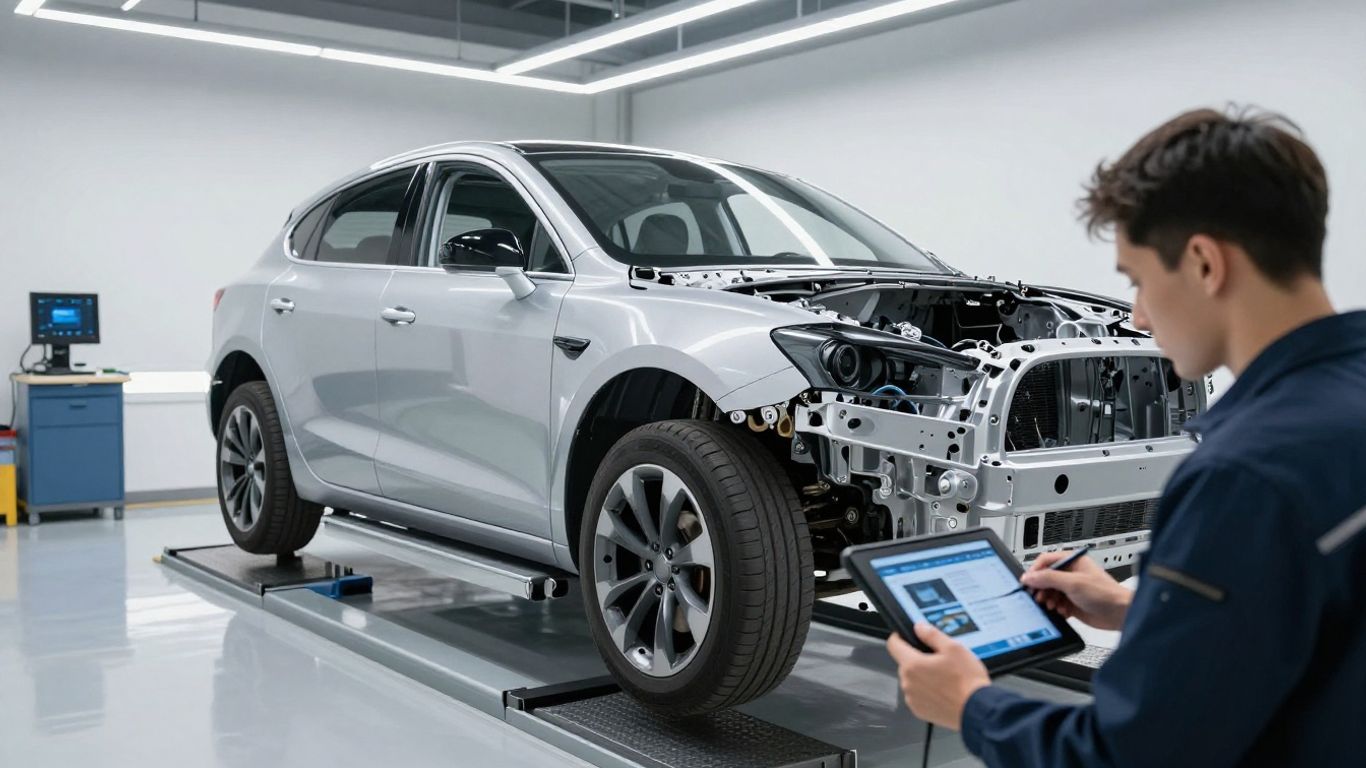
To qualify, facilities must meet stringent standards involving equipment capability, technician training levels, and workspace layout. The application process acts as a filter to ensure that only properly equipped shops handle the intricate aluminum and steel hybrid frames.
Benefits of being a certified collision repair facility
Certified shops enjoy preferential access to technical updates that aren’t available to independent operators. The following table illustrates the typical operational advantages gained through certification:
| Advantage Type | Independent Shop | Certified Facility |
|---|---|---|
| Parts Portal Access | Limited/Restricted | Full Authorized Access |
| Software Support | No access | Direct Diagnostic Link |
| Repair Guides | Public standard | Specialized protocols |
Accessing the restricted Tesla parts portal
The restricted portal is the digital engine for legitimate repairs, allowing for VIN-specific ordering to ensure that the correct hardware is always matched to the right vehicle build. This prevents the common issue of ordering slightly incompatible parts that could cause future electronic faults.
Managing diagnostic software access and requirements
Access to diagnostic tools is carefully managed to guarantee that only trained professionals can calibrate sensors or push software updates. 1. Shops must maintain an active internet gateway. 2. Staff need periodic retraining. 3. Current diagnostic hardware must remain updated at all times. 4. Protocols for software handling must be strictly followed to avoid voiding vehicle warranties.
Common challenges in sourcing Tesla components
Even with a clear strategy, the logistical realities of high-tech manufacturing occasionally affect the availability of specific modules. Addressing these hurdles requires proactive communication with regional representatives.
Shipping constraints and hazardous material regulations
Because many automotive items involve lithium-ion battery chemistry, shipping them requires strict compliance with interstate hazardous material safety guidelines. Facilities must coordinate carefully with logistics partners who maintain appropriate certification for handling these materials during transport.
Strategies for handling backordered or discontinued parts
When a specific item is delayed, the focus should shift to verified remanufactured alternatives provided by authorized service centers. Clear communication with the customer about the necessity of waiting for an authorized part is always the standard for professional repair shops.
Verifying the safety profile of salvaged vehicle components
Salvaged items carry inherent risks unless they undergo a teardown inspection by a qualified professional who can detect stress fractures or hidden wiring damage. Misjudging these components can put future vehicle occupants at significant, unnecessary risk.
Counterfeit prevention and reporting protocols
If an unknown vendor delivers an item that appears to be a replica, it must be sequestered immediately to prevent accidental use. Reporting these instances helps maintain the integrity of the total parts ecosystem for every repair facility in the region.
Best practices for independent repair facilities
Operating successfully often requires a hybrid approach where independent facilities cultivate deep expertise while staying within the boundaries of factory guidelines. Success in this field relies on maintaining high standards of honesty in every service cycle.
Building direct relationships with regional distribution centers
Establishing a rapport with local logistics managers can yield faster turnaround times and more reliable information on inventory availability. This relationship serves as a bridge for shops to anticipate potential disruptions before they cause a bottleneck on the repair floor.
Maintaining compliance with Tesla proprietary repair protocols
Repair manuals published by the manufacturer are not just suggestions; they are comprehensive roadmaps for restoring a vehicle to its original factory safety state. Deviation from these manuals can invalidate the structural testing performed at the company level.
Training staff on specialized component installation
Invest in dedicated workshops that focus specifically on the nuances of modern vehicle trim, electronic clipping, and sensor alignment. As technology evolves, so does the methodology for safely removing and installing delicate vehicle components.
Ethical inventory management for high-demand parts
Avoid stockpiling parts in a way that creates artificial scarcity; keep an inventory that reflects realistic shop demand and ensures the best parts move with the fastest rotation. Transparency with customers regarding why certain parts are backordered reinforces your facility’s professional reputation.
Conclusion
Successfully sourcing and verifying components requires a dedicated commitment to accuracy and manufacturer protocols. By prioritizing authorized distribution pathways, maintaining strict compliance with official technical documentation, and training staff on specialized handling techniques, repair facilities can ensure long-term reliability and safety for their clients. A methodical approach to parts management remains the hallmark of a high-quality, professional collision repair operation.
Frequently Asked Questions
Why is it important to use manufacturer-authorized components?
Using authorized parts ensures that your vehicle’s safety systems remain calibrated correctly and that structural integrity is maintained according to the original engineering specifications developed for the car.
Can I repair my own car with salvaged parts?
While technically possible for some minor cosmetic items, repairing structural components or electronics with salvaged parts is strongly discouraged due to the difficulty in verifying their history, internal integrity, and safety compliance.
How do I know if an online parts store is legitimate?
Verify that the seller has explicit authorization to distribute parts and check their business credentials against industry registries to ensure they are not selling counterfeit items under a false brand name.
What are the main dangers of counterfeit car parts?
Counterfeit parts often fail to meet required durability and material standards, which can lead to sudden system failure, improper crash protection performance, or electrical fires in sophisticated electric vehicles.
Are there any specific risks with aluminum body components?
Aluminum structures require specialized tools and specific cooling or joining techniques during repair, and using improper components that do not match the factory alloy specs can lead to significant corrosion or structural weakness.
Should I trust a repair shop that uses generic parts?
Always ask whether those parts meet or exceed the performance specifications provided by the vehicle manufacturer, as simple generic parts may not be calibrated to interact with the sophisticated software systems of a modern EV.
How do I report a suspicious part I bought online?
If you believe you have received a counterfeit component, you should contact the manufacturer’s support department immediately and provide them with all documentation from your purchase so they can investigate the source.