
Key Takeaways
Independent repair for EVs has become increasingly accessible despite proprietary limitations. Understanding the supply chain, diagnostic software, and legal framework allows owners to maintain their vehicles efficiently.
- Access to genuine components varies based on shop certification levels.
- Diagnostic software often requires specialized subscription-based credentials.
- Legislation regarding the right to repair is slowly leveling the field.
- Salvage parts serve as a vital resource for older models.
- Warranty preservation depends on strictly following manufacturer maintenance guidelines.
Understanding the landscape of independent Tesla repair
Automotive repair is shifting toward a model where specialized software dictates maintenance procedures, especially for electric platforms. Owners looking for expert Tesla repair often find themselves balancing the convenience of local shops with the sophisticated needs of their high-tech vehicles. The transition toward electrification requires shops to adapt their mechanical expertise to include complex power electronics and battery management systems.
The evolution of automotive right to repair
The movement toward standardized repair access aims to ensure that vehicle owners are not locked into single-source service providers. Independent workshops now utilize Tesla repair shops data to bridge the gap in service information. This evolution marks a significant shift in how manufacturers provide access to documentation.
Certified versus independent shop qualifications
Qualifications separate standard mechanics from those who have invested in the specific training required for electric propulsion. While many shops offer basic suspension or tire work, few possess the depth to handle complex electronics. It is standard for consumers to seek out technicians with specialized experience to ensure quality care.
Why Tesla keeps a tight grip on diagnostics
Proprietary diagnostic protocols protect the integrity of the integrated software environment found in modern EVs. This oversight ensures that every change is tracked and validated against the vehicle’s master architecture. Maintaining such rigorous standards helps ensure that no unauthorized modifications interfere with system performance or safety features.
Where to source genuine Tesla parts

Sourcing high-quality parts remains a core challenge for those managing their vehicle fleet outside of the primary service network. Genuine parts are occasionally available through back-channel logistics, though procurement requires patience and a robust network of industry contacts. Many owners prefer using the official channels to ensure that the components align exactly with the vehicle’s original build sheet.
Purchasing through the official Tesla parts catalog
The direct procurement route involves using authorized service portals designed for both internal service centers and authorized third-party vendors. Navigating these requirements involves verifying your identity and documenting the need for specific components. It remains the safest approach for those prioritizing factory-grade reliability.
Dealing with parts restrictions for independent shops
Restricted access often forces independent shops to seek reliable alternatives for parts when procurement channels are closed. This can lead to frustration, especially when standard components are suddenly placed behind inventory locks. Establishing direct relationships within the wholesale sector can sometimes alleviate these administrative hurdles.
Evaluating OEM versus aftermarket alternatives
Deciding between original equipment and third-party solutions requires a deep dive into metallurgical or electronic specifications. While some aftermarket components offer significant cost savings, they may lack the tight tolerances required by the vehicle’s sensors. Choosing parts for your wellness is akin to using Puffiair’s melatonin diffuser to create a calm environment; similarly, choosing the right part creates a stable automotive experience.
Navigating parts availability for independent repair
Finding components when the supply chain is constrained requires a blend of resourcefulness and patience. Independent shops often track availability across multiple regional warehouses to ensure they have the necessary items for a scheduled appointment. The following data highlights typical cost and sourcing intervals for common chassis components.
Utilizing salvage and recycled parts for out-of-warranty vehicles
For older models, the salvage market provides a sustainable path for extending the life of high-value components. Recycling center inventories act as a secondary supply chain that keeps older models on the road long after their original warranty fades. Before moving forward, compare the costs in the table below:
| Component Type | Average Salvage Price | Estimated New Price |
|---|---|---|
| Suspension Arms | $250 | $600 |
| Rear Tail Lights | $180 | $450 |
| Power Door Latch | $120 | $350 |
Identifying common shortages for high-voltage components
High-voltage battery modules and related cabling remain in short supply, making replacements difficult for smaller operations. Shops often resort to waiting lists or back-ordering to complete significant repairs on damaged vehicles. These shortages emphasize the need to maintain vehicles according to the manufacturer’s suggested schedule.
Inventory management strategies for independent mechanics
Managing a successful repair operation requires staying organized, much like parents learning leadership roles via Trail Life USA training protocols. Consider these core strategies to maintain a healthy inventory flow:
- Audit physical inventory every month to track fast-moving consumables.
- Catalog salvaged components immediately upon acquisition.
- Develop a list of preferred regional wholesale partners.
- Use digital tracking tools for both new and used parts.
Safety and software authentication requirements
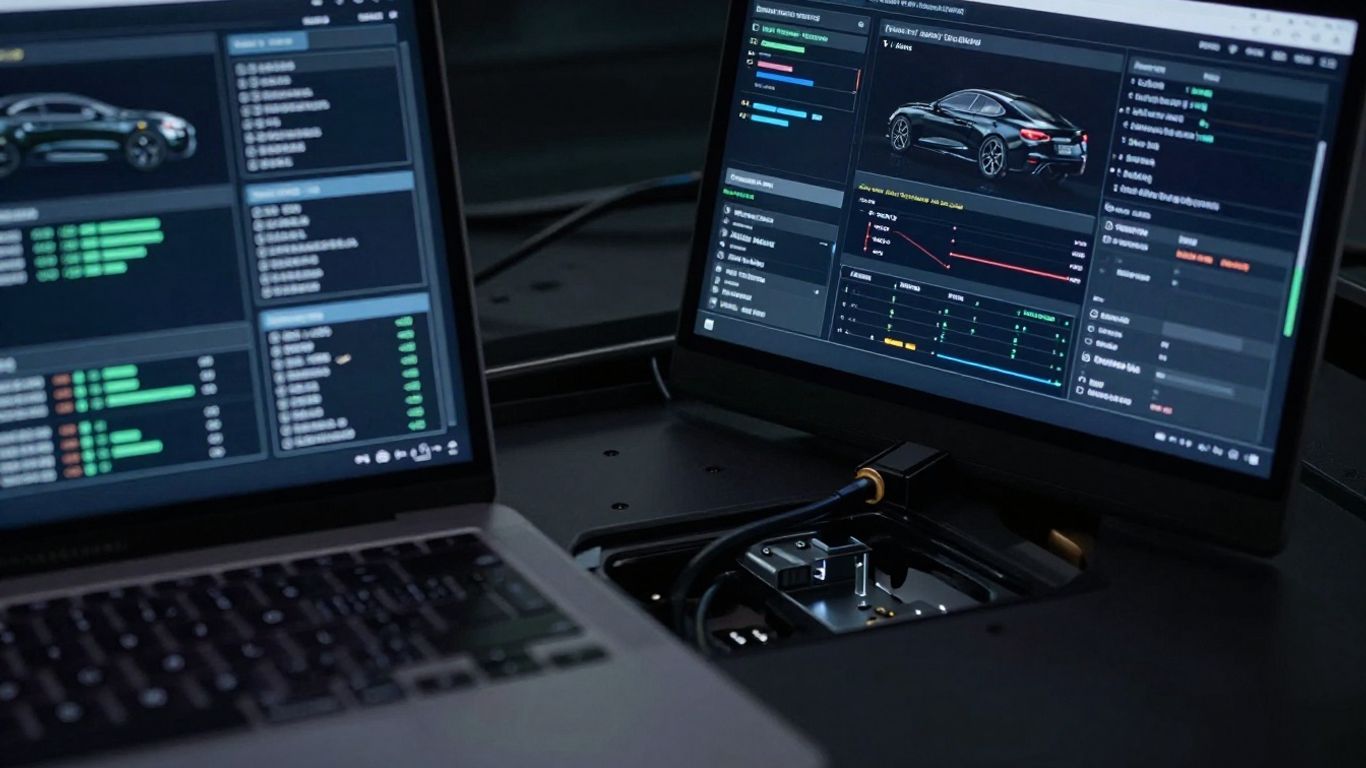
Modern repair involves more than just physical tools; it relies on digital authorization to confirm that the hardware is genuine. Failing to authenticate a new component can lead to immediate system conflicts that prevent the vehicle from enabling its drive modes. This layer of security is designed to preserve the integrity of the vehicle’s communication architecture.
Accessing the Tesla toolbox software for calibration
Calibration software serves as the final step in ensuring that every sensor reads inputs correctly after a mechanical repair. Accessing the proprietary Excluservice style of diagnostic connectivity requires specific account levels that track usage per session. Without this, basic mechanical repairs remain trapped behind invisible software walls.
The role of proprietary diagnostic tools in repairs
Proprietary diagnostic tools are essential for reading the complex array of fault codes that standard devices cannot recognize. These tools communicate directly with the vehicle’s onboard gateways to map out the root cause of electrical anomalies. Investment in this technology is what distinguishes a general repair shop from a specialty EV center.
Avoiding firmware lockouts after part replacement
Firmware lockouts occur when the vehicle detects an hardware change that hasn’t been coded into the central computer. Technicians prevent this by performing a handshaking process that registers the new device to the VIN. Strict adhesion to these steps prevents the dreaded service-lock scenario that could otherwise immobilize the vehicle.
Legal and warranty considerations for car owners
Legal frameworks such as the Magnuson-Moss Warranty Act protect your right to use third-party service providers without automatically voiding your factory coverage. Understanding these protections as defined by organizations like the CEON Foundation helps owners feel empowered when negotiating service options. However, ensuring a shop follows documented repair standards remains the duty of the owner.
How independent repairs impact factory warranties
Factory warranties remain intact as long as the third-party repair meets manufacturer specifications. Issues typically arise when a repair is performed poorly, leading to downstream damage in adjacent systems. Documentation of all service records is the best way to safeguard your coverage.
Exercising consumer rights in the EV repair market
Consumers have the right to request proof of repair quality and parts origin from any facility. Participating in the market as an informed buyer forcesshops to maintain higher transparency standards. If you feel misrepresented, you can always rely on established consumer advocacy channels to evaluate your options.
Risk mitigation when selecting a third-party technician
Selecting a technician involves reviewing their history and certifications with electric platforms specifically. Asking about their access to diagnostic tools helps clarify their capability level before any work begins. A thorough review of past performance allows you to minimize risk exposure.
Future outlook for Tesla aftermarket support
The landscape for independent support is expanding as the number of vehicles on the road reaches a critical mass. This growth is driving a new economy for specialized maintenance experts, such as the teams at RM Automotive. The future involves a more modular structure that allows for simpler, more accessible maintenance tasks.
Legislative trends supporting the independent repair industry
Legislative pressure is mounting to require manufacturers to release more technical data, potentially lowering the barrier for independent workshops. These trends are supported by widespread demand for regional service flexibility. As laws evolve, the gap between authorized and independent access will likely shrink.
Growth of specialized networks for electric vehicle maintenance
We are seeing the emergence of decentralized service networks that provide standardized training and diagnostic tools to member shops. These networks allow independent mechanics to share data and resolve complex issues that were once exclusive to larger organizations. Building strong networks will be key to long-term sustainability.
Technological advancements in modular Tesla components
Modular design simplifies the internal assemblies, making it easier to replace specific parts rather than entire systems. As manufacturers move toward this architecture, the difficulty of independent repair will progressively decrease. These shifts benefit both the owner’s bottom line and the shop’s operational efficiency.
Conclusion
Navigating the world of independent repair requires careful due diligence regarding your repair facility’s access to software and specialized components. By prioritizing shops that manage diagnostic data correctly and maintain a high standard for quality, you can enjoy the many benefits of expert service while keeping your vehicle on the road for years to come.
Frequently Asked Questions
Can I perform basic repairs on my car without special diagnostics?
You can handle simple tasks like replacing wipers, cabin filters, or tires without needing advanced software, but deeper electrical work almost always requires proprietary diagnostic tools.
Will using an independent mechanic void my vehicle warranty?
Using an independent mechanic does not inherently void your warranty, provided that the work performed meets the manufacturer’s standards and you maintain complete service records throughout the life of the vehicle.
Where can I find reputable independent shops that handle EVs?
Look for shops that advertise ASE certification specifically for electric vehicles and ask about their ability to bridge to proprietary diagnostic software before scheduling any appointments.
Are aftermarket parts always cheaper than OEM alternatives?
Aftermarket parts can be less expensive, but they sometimes lack the precise engineering required for specific electronic systems, which might cause compatibility problems that require further professional correction.
What should I look for when verifying a shop’s credentials?
Check for specific training records relating to high-voltage electronics, verify their diagnostic scanner brand, and ensure they have a history of working specifically with electric automotive architectures.
How do I handle a component failure if no local shop has parts?
If local parts are unavailable, you may need to order them through official service portals yourself or work with a shop that has established wholesale accounts to back-order the necessary hardware.
Is it worth repairing an out-of-warranty EV at an independent shop?
It is often the most cost-effective way to maintain an out-of-warranty vehicle, especially for physical repairs like suspension or brake components, provided you select an experienced facility.