

Key Takeaways
Finding the right aftermarket upgrades for your vehicle involves balancing performance desires with long-term maintenance needs. These core themes define a successful modification strategy for any owner.
- Research components thoroughly before purchase to ensure compatibility.
- Always consider how modifications affect your existing factory coverage.
- Prioritize reputable manufacturers with a track record of reliability.
- Balanced upgrades improve both daily usability and vehicle handling.
- Documentation and proper installation are critical for safety.
Understanding the aftermarket Tesla ecosystem
Navigating the world of vehicle modifications requires a clear understanding of what you hope to achieve with your daily driver. Whether you are looking for increased efficiency or a more personal style, the environment offers a diverse range of products. Starting with small, reversible changes often provides the best path for newcomers to the enthusiast scene.
Performance versus aesthetic modifications
Performance modifications typically involve mechanical changes meant to alter how the car moves or stops. Aesthetic changes, on the other hand, focus on changing the look or feel of the cabin and exterior panels. While performance parts often require more technical expertise for installation, exterior accents are generally accessible to most owners.
Risks of choosing low-quality components
Opting for bargain parts carries the risk of premature failure or improper fitment on your chassis. Components that are poorly manufactured can rattle, crack under heat, or cause long-term wear on the factory mounting points. Always focus on materials that meet or exceed industry standards to avoid unnecessary frustration and recurring costs.
Impact on Tesla vehicle warranties
Modifying your vehicle can lead to questions regarding factory coverage if a failure occurs. It is common for manufacturers to exclude damage caused by non-original parts from warranty repair scopes. Documenting your professional installations and keeping records of equipment compliance creates a better foundation for long-term ownership.
Critical performance parts for Model 3
Improving your vehicle starts with understanding which systems provide the most immediate benefit. Targeted performance enhancements allow you to refine the way your car handles corners and brakes on public roads. By choosing Unplugged Performance for your upgrades, you ensure that components are engineered for the specific demands of your chassis.
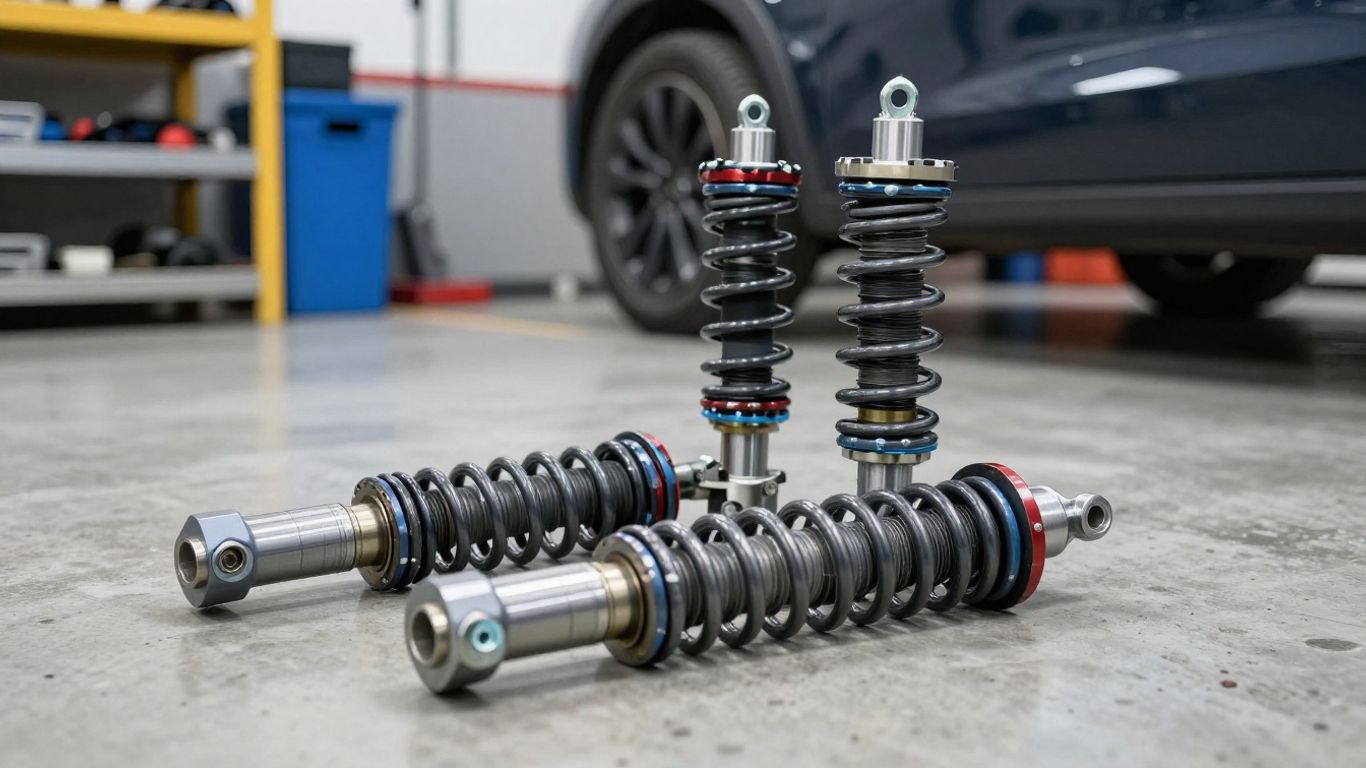
Upgraded suspension kits for handling
Suspension upgrades allow you to tighten up body roll and adjust ride height for a more responsive drive. These kits are often engineered to work in harmony with the factory platform to maintain ride comfort while sharpening steering feedback. The following table highlights common performance metrics for different suspension tiers.
| Upgrade Tier | Feature | Benefit |
|---|---|---|
| Street | Lowering Springs | Sporty stance |
| Track | Coilover Kit | Full adjustability |
| Competition | Sway Bar Sets | Reduced roll |
Selecting a kit involves matching your regular driving conditions to the spring rates provided by the manufacturer. Most owners find that a balanced street setup offers the best compromise for daily commutes.
High-performance braking systems
Upgrading your braking components can provide better pedal feel and heat dissipation during more spirited driving sessions. High-temperature brake pads and upgraded rotors are common choices for those who frequent mountain roads. These systems ensure that you maintain stopping power even after extended use.
Efficiency-focused wheel and tire options
Lightweight wheels significantly reduce unsprung weight, which can help with both handling and overall road efficiency. Matching these with low-rolling-resistance tires creates a setup that maintains grip while preserving range. Many enthusiasts prioritize these wheels as a way to safely improve the physical presence and agility of their vehicle.
Essential aesthetic and interior accessories
Beyond performance, the cabin and exterior details allow you to craft a modern, comfortable space that fits your personal taste. RPM TESLA specializes in products that help shield the interior while elevating the visual design. These tweaks are often the easiest to install, providing quick results for your effort.
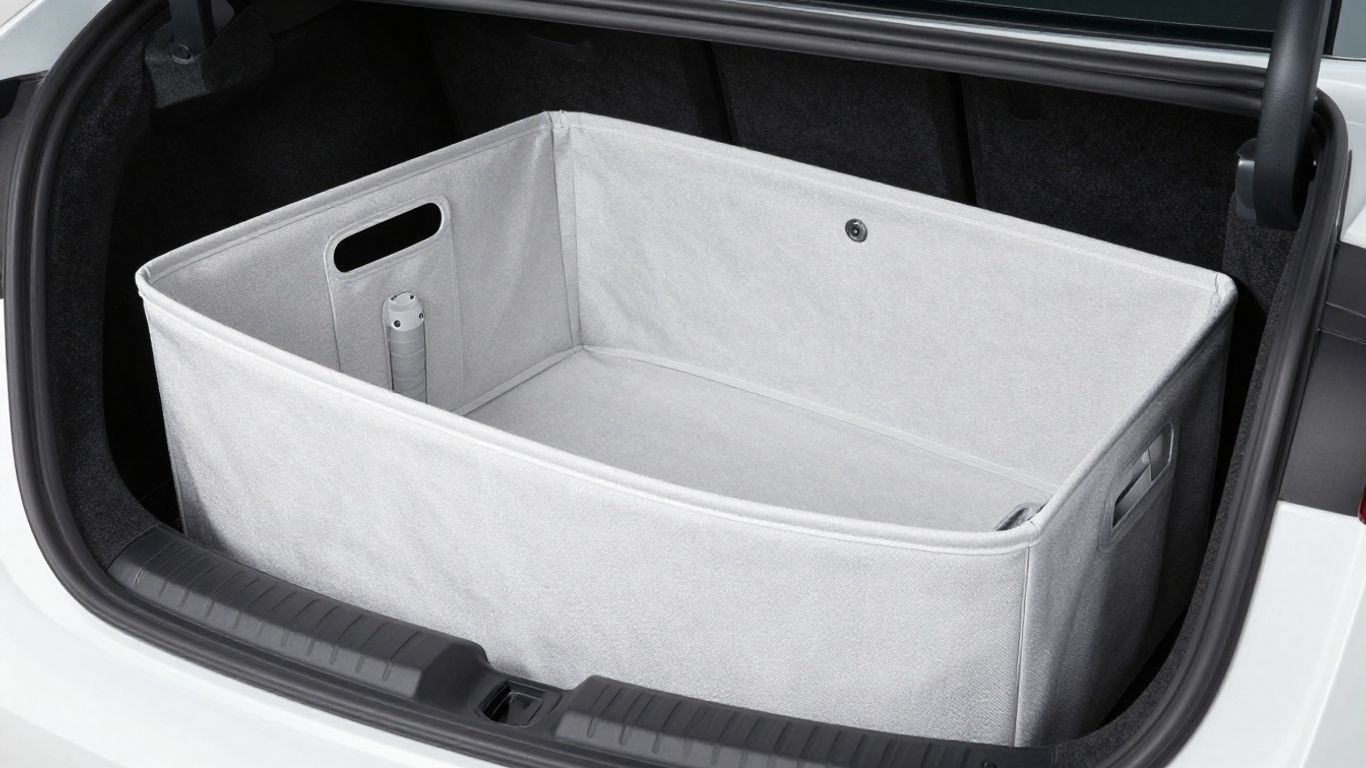
Premium seat covers and upholstery upgrades
Replacing or covering factory surfaces allows you to protect the original material while changing the color palette of the cabin. Many owners look for breathability and stain resistance when selecting new fabrics. These materials act as a protective layer, ensuring the base seats stay in pristine condition for potential future sales.
Carbon fiber trim and exterior accents
Exterior trim pieces made from carbon fiber offer a lightweight way to add a sporty personality to the vehicle. These accents often replace flat plastic sections, providing a smooth finish that stands up well to environmental exposure. Strategic placement of these parts can significantly refresh the look of your car front to back.
All-weather floor mats and cabin organization
Protecting the interior from dirt, water, and daily wear is essential for keeping the resale value high. Adding custom-fit solutions helps simplify cleaning and keeps everything in its place while you are driving. You will find that these functional upgrades are among the most appreciated
- Custom-fit all-weather floor mats that trap debris.
- Modular storage inserts for the center console.
- Dedicated cable organizers for charging equipment.
- Hidden compartment covers for aesthetic consistency.
These items make daily use much more convenient, especially if you carry gear or frequently travel with passengers.
Sourcing reliable third-party vendors
The marketplace is filled with options, but identifying the right sellers is a foundational skill for any owner interested in buying quality tesla parts for model 3. Reliability starts with a clear history of business, transparency in pricing, and consistent communication. Focus on vendors that provide comprehensive information about their engineering process or sourcing origins.
Verifying vendor return policies and shipping warranties
Before finalizing any transaction, check the policies regarding damages or dissatisfaction. Returns should be clearly outlined to prevent issues if a part does not match your vehicle’s specific trim level. Shipping warranties are equally vital as they protect your investment against accidents during transit.
Evaluating customer reviews and community feedback
Look for long-term user experiences within established owner forums rather than just site-based star ratings. Feedback from individuals who have used a product for over a year provides better context than a review left immediately after installation. This strategy helps filter out marketing noise and highlights potential long-term fitment issues.
Identifying reputable specialty manufacturers versus mass-market resellers
Specialty manufacturers often spend more time prototyping their parts on actual vehicles during the design phase. Mass-market resellers, while cheaper, may not have the same level of quality control or vehicle-specific knowledge. When possible, browse options from EVANNEX to see how convenience parts differ from general cosmetic addons.
Installation best practices
Properly fitting parts to your car is as important as the purchase itself. Whether you decide to do the install yourself or hire a professional, attention to detail ensures the car continues to perform safely. Always take your time to read provided documentation or watch reliable guide videos before starting.
DIY capabilities versus professional certified installations
Understand your own limitations before taking apart any major vehicle system. Simple cosmetic installations are usually well-suited for a standard DIY weekend, while suspension or braking work often requires specialized torque equipment. If you feel unsure about a task, scheduling a visit to a certified shop is a much safer path for enthusiasts who want to avoid technical errors.
Troubleshooting common fitment and compatibility issues
Fitment problems often occur when parts intended for one production year are forced onto another. Always cross-reference part numbers with your specific vehicle identification number if you are buying from a non-exclusive source. Small misalignments should be addressed immediately, as they can lead to vibration or permanent damage to your panels over time.
Maintaining aftermarket parts during routine service intervals
Regular inspection is essential for verifying that bolts remain tight and seals remain intact. Just because a part is high quality does not mean it is maintenance-free. During your standard tire rotations or seasonal service, ask your technician to give your aftermarket components a quick visual check for wear or movement.
Treating your upgrades with the same care as your factory systems keeps your vehicle running smoothly. Consistent observation prevents minor issues from escalating into expensive repairs that could have been avoided with a simple tighten or clean.
Conclusion
Building your ideal vehicle is a rewarding project when you approach it with patience and focus. By prioritizing high-quality parts, researching your vendors, and following proper installation guidelines, you elevate both the driving experience and the longevity of your car. Keep your goals realistic, enjoy the process of personalization, and ensure every change adds genuine value to your daily commute.
Frequently Asked Questions
Does installing aftermarket suspension void my entire warranty?
Typically, a manufacturer only voids the coverage for systems directly impacted by the new part. If you install upgraded struts, they may not cover suspension-related issues while keeping the battery or drive train coverage fully intact.
How often should I check my aftermarket components for alignment?
It is good practice to perform a visual inspection of your modifications whenever you take the car in for its seasonal tire rotation. This interval allows you to catch loose hardware before it creates a noticeable problem on the road.
Is it safer to buy parts from official retailers or aftermarket shops?
Both paths offer benefits depending on what you are purchasing. Official retailers provide factory-matched components, while reputable aftermarket specialty shops offer performance-focused upgrades designed to push beyond original limitations.
Are carbon fiber accessories more than just cosmetic?
While usually chosen for visual appeal, carbon fiber is lightweight and rigid. When used for structural panels or exterior aero, it can effectively reduce the total weight of the vehicle, though the difference is often marginal for daily driving.
What should I do if a part does not fit perfectly?
Stop the installation process immediately to prevent damage to your vehicle’s factory panels. Contact the vendor to discuss the issue, provide photos of the fitment discrepancy, and check if you have the correct version of the part for your specific model year.
Can I paint or wrap my aftermarket components?
Most aftermarket parts can be modified to match your factory paint theme. Always ensure that the material used for the coating is compatible with the surface of the component, especially if it will be exposed to high heat near the brakes or motors.
Why do some aftermarket parts reduce my vehicle range?
Parts like wheels, tires, or exterior body kits can increase drag or weight, which causes the motor to work harder. Always look for efficiency-labeled products if your primary goal is to maintain or improve upon the manufacturer’s original range estimates.