

Key Takeaways
Sourcing authentic components for your vehicle is critical for performance and safety. This guide outlines how to navigate the supply chain for Tesla parts in Australia properly.
- Prioritize official channels to ensure full compatibility and warranty compliance.
- Use the Tesla mobile application for streamlined service booking and part inquiries.
- Verify serial numbers and branding to avoid counterfeit electrical or mechanical parts.
- Understand that importing parts requires accounting for local customs and GST obligations.
- Keep detailed service logs to protect your vehicle’s manufacturer warranty coverage.
Understanding Tesla Model Y genuine parts in Australia
Owning an EV in Australia requires awareness of component quality since local road conditions vary from urban centers to remote routes. Selecting parts that match manufacturer specifications keeps the vehicle running reliably according to factory standards.
Differentiating between OEM, aftermarket, and genuine parts
Genuine parts are manufactured by the original company to match your vehicle’s build. Aftermarket components often aim for lower costs but may lack the precise engineering required for high-voltage systems. Using genuine OEM parts is the safest route for long-term reliability.
The importance of maintaining Tesla warranty coverage
Modifications or repairs performed outside of approved channels can affect your warranty terms. It is essential to understand that unauthorized mechanical changes might void protection for impacted systems. You should always prioritize authorized service centers for repairs involving battery or powertrain components to stay compliant.
Why authenticity matters for electric vehicle safety
Authentic components ensure that software and physical hardware communicate correctly, which is vital for occupant protection. Counterfeit batteries or charging hardware introduce significant thermal risks. When you source premium Tesla parts from official suppliers, you guarantee that safety limits and charging protocols are strictly followed.
Navigating the Tesla official service center network
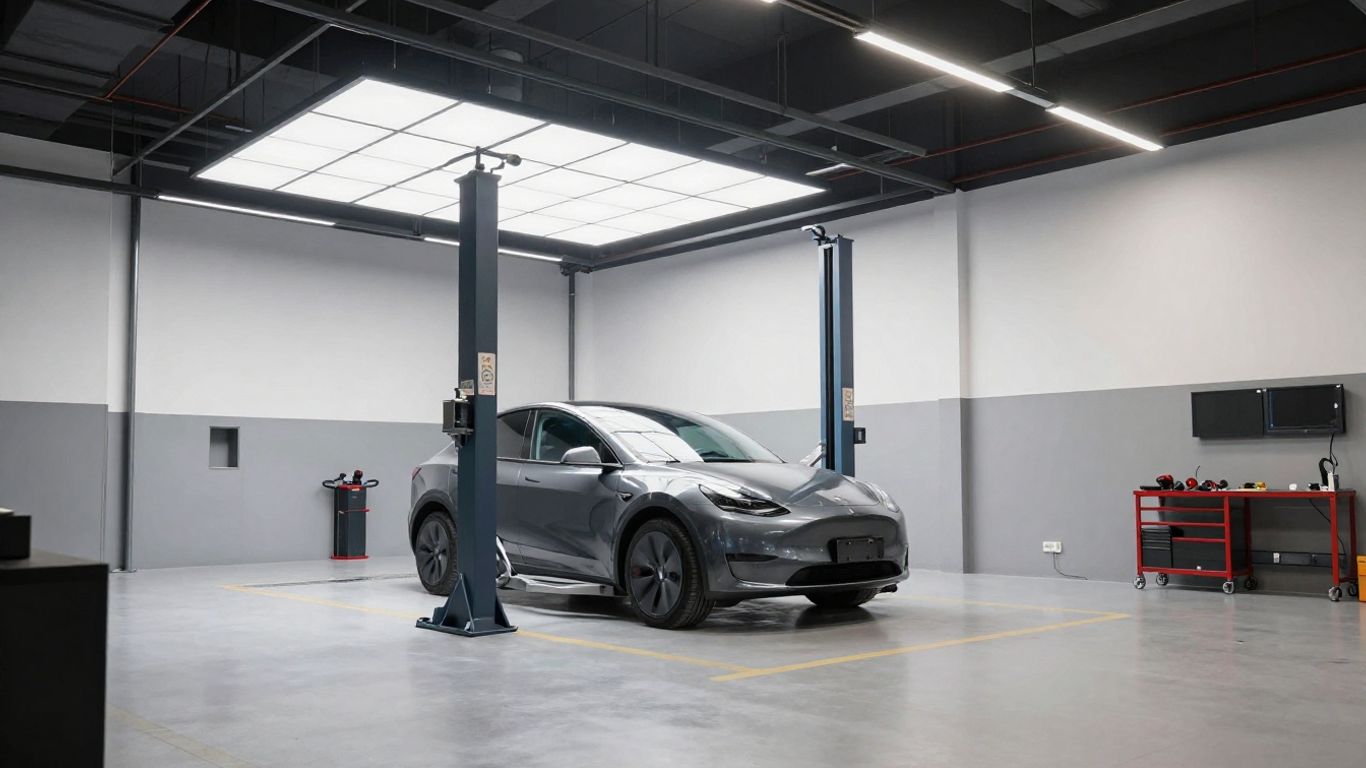
Finding support for your vehicle is a straightforward process when you utilize the manufacturer’s primary support ecosystem. Official channels provided by the automaker ensure that technicians have the specific training needed for advanced software and hardware maintenance.
How to book a service appointment via the Tesla app
The mobile interface provides a centralized hub for managing your ownership experience. Through the app, owners can describe specific faults, upload photos of a part needing replacement, and receive direct estimates. This ensures that the local team is prepared with the necessary stock before your visit.
Ordering parts directly through official Tesla service channels
When a specific component requires replacement, the official service portal is the most reliable method for procurement. By ordering through these channels, you receive parts that are guaranteed to fit your specific build month and variant. This avoids the headaches of incompatible parts purchased on secondary markets.
Locating authorized service centers across Australian states
Tesla maintains a growing list of service hubs distributed throughout major population centers in Australia. Each location is equipped to perform specialized maintenance tasks, ensuring high quality automotive care is available for local owners. You can identify these locations via the official map interface, which also lists operating hours and specific focus areas for each site.
Identifying genuine parts versus counterfeit components
Sourcing parts from unreliable vendors can result in sub-par performance or even vehicle damage. It is necessary to scrutinize the origin of any hardware meant for critical functions like steering or energy distribution.
Checking for official Tesla branding and serial numbers
Authentic parts typically feature clear manufacturer markings and verifiable serial codes that correlate with your vehicle’s VIN. You can often track a part’s authenticity by comparing these numbers against the official database. The table below outlines how to evaluate potential components:
| Component Type | Expected Verification | Potential Red Flag |
|---|---|---|
| Electronic Control Unit | Factory branding, unique UID | Printing errors, blurry logos |
| Suspension Component | Engraved batch number | Absence of QR code, missing seal |
| Interior Trim | Consistent texture/fitment | Significant gaps, misaligned clips |
Risks associated with purchasing from unauthorized third-party marketplaces
Marketplaces often host listings for parts that may appear identical but fail under real-world conditions. Purchasing from unverified sites can lead to software locking issues if the part is not communicating with the central gateway. Relying on top selling accessories from vetted local specialists is generally safer.
Verifying documentation for components sourced from international sellers
Importing items requires checking for proper import certification and documentation showing the part’s origin. Sellers who cannot provide a traceable invoice or clear origin paperwork should be approached with extreme caution. This acts as a primary filter for identifying genuine supplies versus generic alternatives.
Importing genuine Tesla parts into Australia
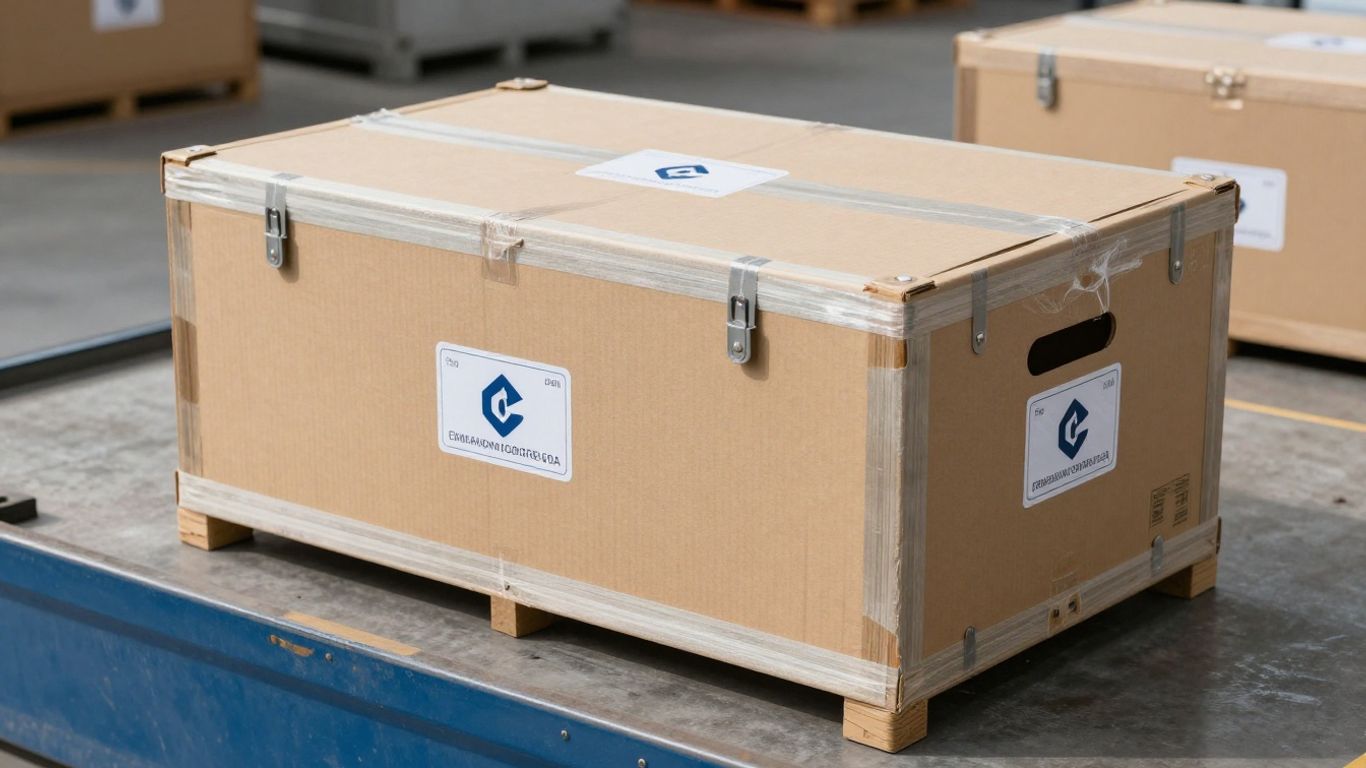
Bringing specialized hardware into Australia from international markets requires preparation regarding local law. Ensuring you have the right documents for customs clearance prevents long delays and unexpected expenses for your critical vehicle components.
Navigating import taxes and Australian customs regulations
Australian legislation mandates specific duties for automotive parts entering the country. It is recommended that you check the value of the goods and apply the relevant GST calculation before ordering. Maintaining a clear sitemap structure for your own procurement records helps in coordinating with logistics providers.
Identifying reliable international suppliers for Tesla components
When sourcing internationally, you must evaluate the supplier based on their history and transparency. Quality suppliers are transparent about their sourcing processes and provide accurate communication about shipping times. Here is what to check when vetting a new international parts source:
- Confirm the seller provides a written guarantee that the part is brand new.
- Verify if the supplier specializes exclusively in your vehicle’s make.
- Require tracking information for every shipment phase.
- Check for prior customer feedback regarding the condition of received parts.
This vetting process is essential because even minor omissions in shipping information can lead to extended customs clearance wait times.
Calculating true landed costs including shipping and import duties
The sticker price of an international part rarely reflects the final cost to your door. You must account for currency exchange fluctuations, international courier fees, and mandatory customs processing charges. Failure to calculate these totals accurately can result in your parts being held at the border indefinitely.
Installation and compatibility requirements
Properly installing parts is as important as the purchase itself, particularly for vehicle systems that interact with high-voltage arrays. Following correct procedures prevents damage to the vehicle’s electrical architecture and ensures your safety.
Safety protocols for handling high-voltage battery components
Working near the battery requires specialist gear and specific de-energizing procedures that should be performed only by certified individuals. DIY attempts on these high-voltage systems pose a lethal risk of shock. Always ensure you are following the landscape lighting guide principles of electrical safety for any related peripheral work.
Utilizing the Tesla toolbox for component software configuration
Modern Tesla vehicles require digital pairing for many new components to activate. The software tools allow service technicians to recalibrate systems so they communicate properly with the main computer. Without this software access, many performance parts will remain inactive or trigger persistent warning messages on the main display.
Determining when to seek professional mechanical installation
For most owners, professional installation remains the most efficient way to keep the vehicle in peak condition. This is especially true for suspension, braking, and core powertrain modules. If you are ever unsure about a mechanical task, the best advice is to check the dns check guide if verifying digital infrastructure, or consult an SEO process guide for finding professional service providers in your region.
Maintaining your Tesla warranty with genuine upgrades
Keeping your vehicle in warranty status relies on using correct components and keeping a record of all modifications. If you choose to upgrade, do so within the bounds set by the automaker to ensure no issues arise during authorized claims.
Distinguishing between cosmetic accessories and mechanical modifications
Simple cosmetic additions like dash mats or trim covers generally do not affect your warranty standing compared to powertrain mods. Distinguishing these types of changes is vital for maintaining coverage. If you are unsure, the installation of parts that require piercing or electrical splicing is a clear signal to pause and check documentation.
Keeping digital records of your vehicle service history
Maintain a organized file of every receipt, part number, and installation date related to your car. Digital backups of these invoices serve as evidence that only approved parts and service methods were used. This is particularly useful if a fault appears later and you need to demonstrate the history of your vehicle’s care.
Best practices for documenting DIY repairs for warranty support
If you perform minor DIY tasks such as cabin air filter changes or light interior swaps, take clear photographs of the process and keep the receipts for the replacement parts. Documenting these simple repairs provides a clear paper trail for future insurers or buyers, confirming the maintenance was handled with appropriate care.
Conclusion
Securing genuine parts for your vehicle is a prudent investment that safeguards your investment while ensuring the vehicle performs at its peak. By prioritizing transparency and using only authorized service channels, you minimize risks and maintain the integrity of your Tesla’s systems for years to come.
Frequently Asked Questions
Where can I find the official part number for my specific Model Y build?
You can typically find specific part specifications by referencing the service manual or by checking the itemized list associated with your vehicle’s specific VIN information via the support portal.
Is it safe to buy parts from gray market sellers if they are cheaper?
Buying from unverified sources carries the risk of obtaining counterfeit or damaged components that could compromise vehicle safety systems, potentially voiding your manufacturer warranty.
How often should essential components like filters and wipers be replaced?
Follow the manufacturer’s maintenance schedule found in your owner’s manual to ensure components are replaced before they affect performance, typically based on vehicle usage and environmental factors.
Can I perform my own diagnostic tests at home?
Basic diagnostic logs can be monitored through the interface within the car, but deeper hardware diagnostics generally require specialized equipment and authorized software tools to interpret correctly.
What should I do if a part I imported does not fit?
Contact the seller immediately to initiate a return process, and document the discrepancy with photos, but note that import taxes and shipping costs are often non-refundable.
Why does my vehicle require software pairing for new parts?
Modern vehicles use a centralized network where various modules must digitally handshake; new parts often require a digital "handshake" with the main gateway to function correctly.
What evidence is required to prove a part was installed professionally?
Keep an itemized invoice from the professional service technician that specifically references the part used, the date of installation, and a description of the work performed on your specific vehicle VIN.