
Key Takeaways
Upgrading your brake components enhances safety and performance for everyday and track driving.
- Improved thermal management prevents fade during heavy usage.
- Advanced rotor designs reduce unsprung weight to enhance handling.
- Ceramic pads provide clean, quiet operation for daily commuting.
- Proper bedding-in ensures maximum friction and longevity for new hardware.
- Regular maintenance of rotors and pads sustains peak stopping power.
Why upgrade your Tesla braking system?
Driving a powerful electric vehicle often highlights the limitations of factory components, especially when pushed beyond normal commuting conditions. Drivers seeking a more responsive pedal feel often explore aftermarket premium performance brakes to support higher speeds and more demanding environments. Investing in high-grade stopping power is a logical step for those who value predictable dynamics in every scenario.
Improving stopping distance in emergency situations
Emergency stopping requires immediate bite and consistent pressure, qualities that dedicated performance systems excel at delivering. Upgraded rotors and high-friction pads can shorten the response time significantly during panic stops, providing an extra safety cushion on public roads. When you rely on high-quality deceleration, you gain more confidence behind the wheel.
Reducing brake fade during spirited driving
Repeated high-speed stops generate immense heat that can overwhelm stock braking setups, leading to noticeable fade. For drivers who enjoy driving aggressively, performance and racing brake kits help manage these extreme temperatures effectively. Keeping your brakes reliable during spirited sessions allows for more enjoyable driving without the concern of diminishing efficiency.
Enhancing aesthetic appeal with performance components
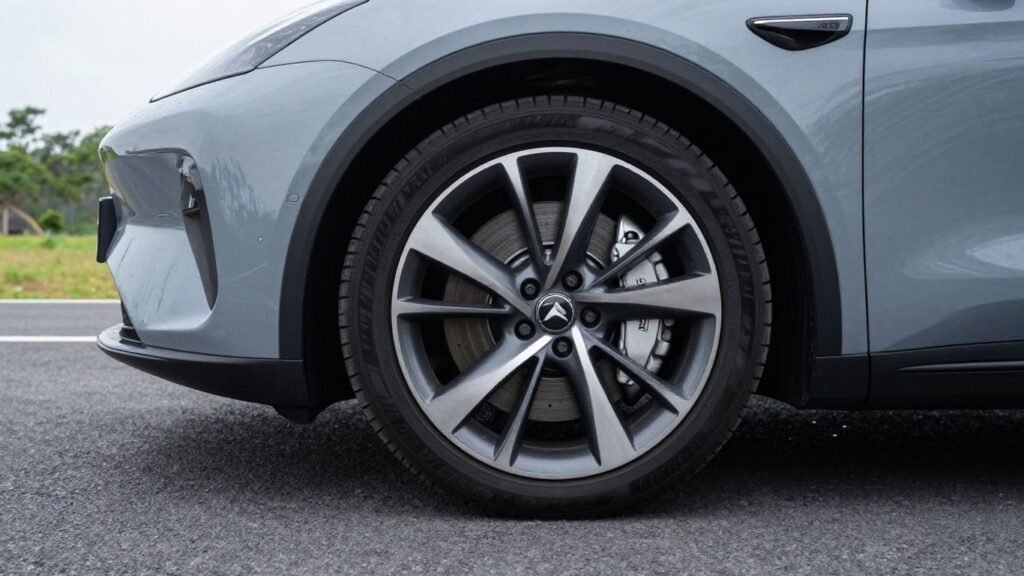
Beyond technical benefits, upgraded hardware often introduces a striking visual upgrade visible through custom wheels. These components feature distinct finishes and aggressive rotor patterns that add a sporty identity to your vehicle. While primary goals focus on function, the added style is a welcome benefit for enthusiasts.
Understanding performance rotor technology
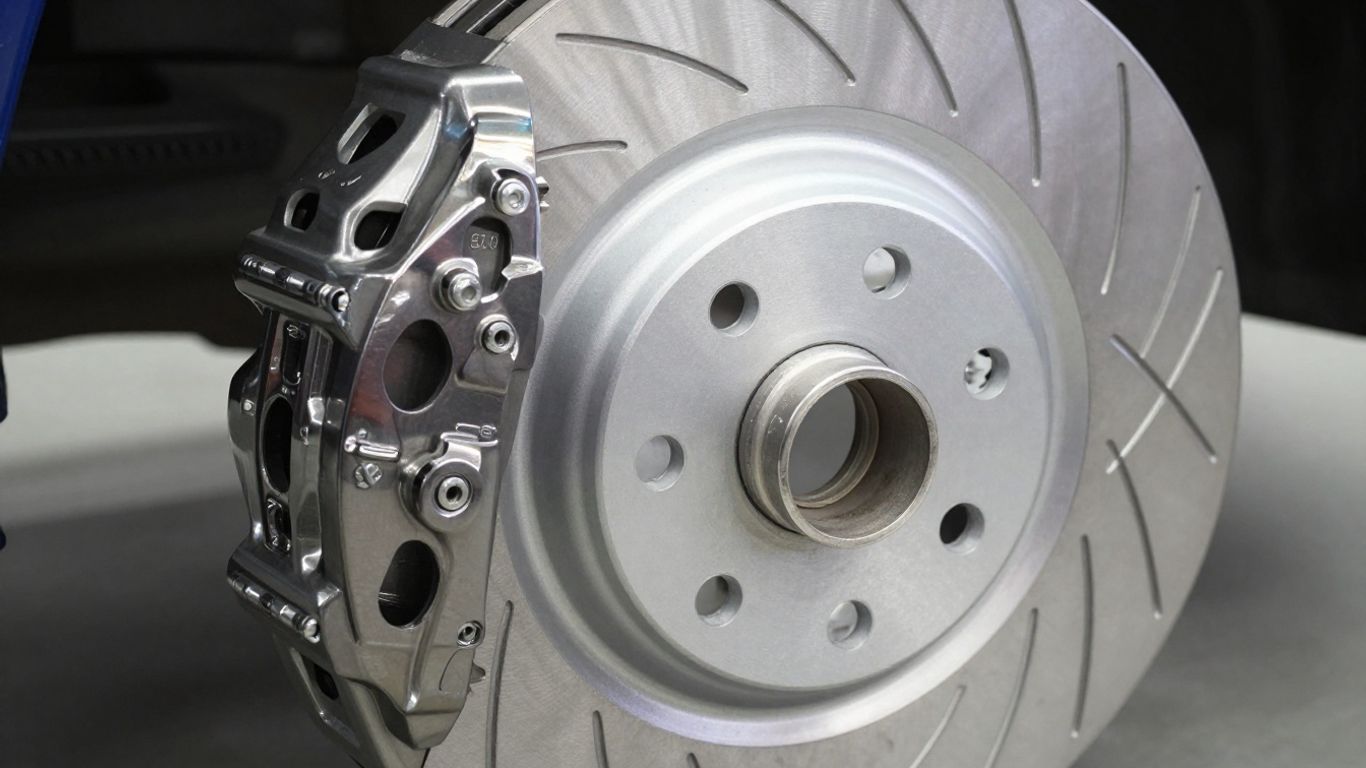
Performance rotors are engineered to handle the unique stresses of heavy, fast-accelerating vehicles. Modern designs differentiate themselves from standard components through sophisticated cooling and venting architectures that prioritize heat dissipation. Understanding these mechanics is essential for selecting parts that complement your driving style.
Benefits of two-piece floating rotor designs
Two-piece floating designs decouple the rotor ring from the hub, allowing for thermal expansion without warping. This construction is a significant upgrade for track users who demand consistent geometry under extreme heat stress. The Page Mill Two-Piece Front Rotors demonstrate how these enhancements improve longevity and safety compared to static one-piece units.
Advantages of slotted and drilled surface patterns
Surface patterns are designed to manage debris and gas buildup that can compromise friction between the pad and rotor surface. These designs provide a clean contact area that maintains consistent bite through challenging conditions. Our comparison table highlights standard features often found in performance upgrades:
| Feature | Stock Rotor | Performance Rotor | Benefit |
|---|---|---|---|
| Material | Standard Cast | High-Carbon Alloy | Better thermal resistance |
| Venting | Directional | Curved Cooling Vaned | Increased airflow |
| Surface | Smooth | Slotted/Drilled | Prevents gas build-up |
Material considerations for managing extreme heat
High-heat management focuses on preventing structural failure and maintaining friction coefficients. Advanced alloys, such as those found in Paragon 2-piece front brake rotors, offer superior biting strength compared to factory materials. By choosing components specifically formulated for thermal stability, you protect your system from long-term degradation.
Selecting brake pads for specific use cases
Finding the perfect pad material balance depends entirely on how you use your vehicle on a daily basis. The market offers various compounds that cater to specific needs, such as noise suppression, dust reduction, or maximum stopping force. Selecting the right match ensures that your braking experience aligns with your expectations.
Ceramic pads for low-dust daily street driving
Ceramic pads are widely preferred by daily drivers who prioritize clean wheels and quiet operation. These pads offer smooth engagement and low noise, making them ideal for the realities of stop-and-go city traffic. They maintain effectiveness across a broad temperature range typically encountered on public roads.
Semi-metallic pads for track-day consistency
For those who frequent racetracks, semi-metallic compounds provide the necessary heat resilience and high friction levels required for consistent performance. These pads often produce more dust and noise but deliver the predictable bite required for high-speed maneuvering. They are essentially the industry gold standard for maintaining stopping power when temperatures rise significantly.
Balancing friction coefficients with rotor compatibility
Matching pad compound to rotor material is critical for avoiding excessive wear or premature glazing. Using overly aggressive pads on stock rotors can shorten their lifespan, while mismatched pairings may cause vibration during braking. Always ensure your chosen setup is compatible with both your vehicle model and your specific driving goals.
Installation requirements and safety considerations
Safe installation requires precise attention to detail and adherence to manufacturer guidelines. Attempting a self-installation can be rewarding, but it demands proper equipment to ensure high-pressure components perform exactly as intended. If you are uncertain about any step, consulting a professional is always the right path to guarantee safety.
Essential tools for a DIY brake system service
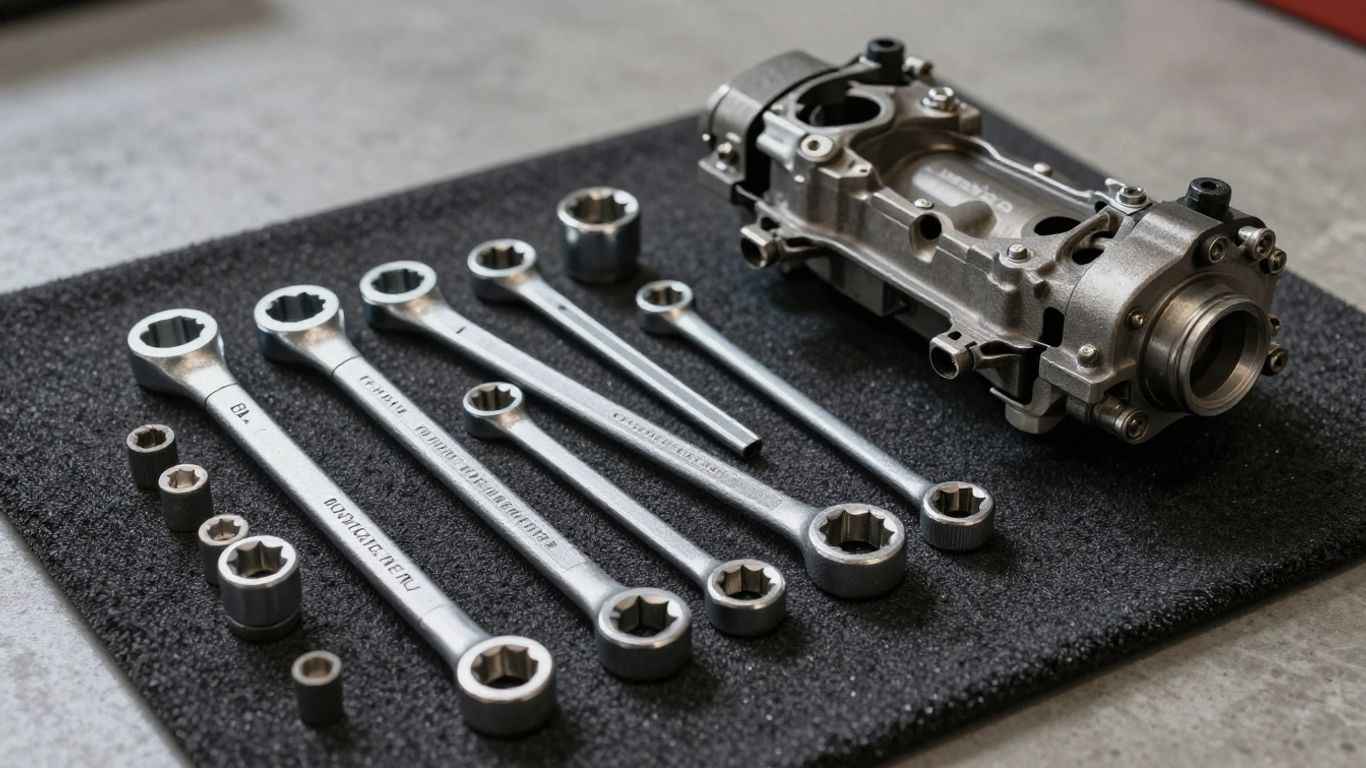
To properly service a modern EV brake setup, you need specific tools to safely manage electronic calipers and tight-tolerance hardware. A front brake pad and rotor replacement kit typically includes hydraulic jacks, torque wrenches, and specialized lubricant for guide pins. Proper tool usage prevents damage to delicate components.
Importance of proper bedding-in procedures
Bedding-in is the process of heating up new pads and rotors to transfer a thin layer of friction material, which maximizes bite. Skipping this step often leads to uneven pad deposits, resulting in the dreaded brake shimmy or poor stopping results. You should follow the exact procedure, which includes:
- Install new components carefully and torque hardware to spec.
- Perform a series of gentle stops to remove protective coatings.
- Complete multiple moderate stops from mid-range speeds.
- Allow the brake system to cool fully before hard use.
Ensuring hardware compatibility across Tesla models
Every vehicle variant has unique weight, caliper, and rotor sizes that make cross-compatibility complex. One should never assume that parts meant for a sedan are interchangeable with a larger SUV variant without confirming specific fitment. Precision is required to maintain the safety standards inherent in your vehicle’s design.
Maintenance and longevity for high-performance brakes
Active monitoring of your brake system ensures that you get the most out of your high-performance investment over time. Even the most capable components require attention once they have accumulated wear, particularly after heavy track use or high-mileage cycles. Establishing a maintenance rhythm extends the life of your entire system.
Monitoring pad thickness and rotor surface health
Regularly checking for thinning pads and scoring on the rotors catches problems before they impact performance. You should look for even wear patterns, as uneven thickness can signal issues with your caliper or mounting bracket alignment. Vigilance in this area ensures you are never caught unprepared by unexpected wear.
Addressing common noise and vibration issues
Squeals and shudders are often caused by debris or incorrect hardware torque, rather than systemic failure. Often, re-lubricating the contact points or checking for loose clips resolves the issue immediately. Consistent noise that persists after checking these items indicates it is time for a deeper inspection of your brake components.
Scheduling seasonal inspections for track-focused builds
For cars that are driven at the limit, seasonal teardowns are essential for identifying hidden stress fractures. These inspections allow you to replace small parts before they become expensive failures on the track or the road. Maintaining a schedule ensures that your vehicle is always ready to perform at its peak.
Regenerative braking and brake system synergy
Regenerative braking drastically changes how mechanical brakes are utilized on a daily basis. This synergy can actually be beneficial if managed correctly, as using the mechanical system periodically helps prevent the components from sitting stagnant. Understanding how your vehicle balances these systems is key to long-term brake health.
Minimizing oxidation caused by light brake usage
Low brake usage can lead to thin layers of surface rust, which might compromise initial biting efficiency when you do finally press the pedal. By periodically using your mechanical brakes firmly, you keep the rotor surface clean and free of oxidation. This simple habit keeps your hardware in top condition.
Adjusting braking habits to prevent caliper seizing
Calipers require movement to remain functional, and infrequent usage increases the risk of them seizing in place. Periodically cycling the brakes during your drive helps keep the pistons moving freely. This preventative approach is the best way to ensure the mechanical system remains ready for emergency stops.
Optimizing mechanical braking alongside regenerative settings
Balancing these systems allows you to enjoy the benefits of energy efficiency without sacrificing the safety of a well-maintained mechanical brake system. Consistent but light usage of the pedal reinforces the physical hardware while regenerative braking handles the bulk of the deceleration. This hybrid approach is the hallmark of mindful EV ownership.
Conclusion
Upgrading to performance-oriented brake components is a transformative step for any enthusiast looking to enhance the driving dynamics and safety of their vehicle. By selecting the right rotors and pads while following proper installation and maintenance practices, owners can enjoy significantly improved stopping confidence in every situation. Whether you are navigating daily city traffic or pushing the limits on the track, a well-synergized brake setup ensures your vehicle remains safe, responsive, and reliable for every mile ahead.
Frequently Asked Questions
How often should track-focused brake pads be replaced?
Replacement frequency depends heavily on the specific track environment and driving style, requiring visual inspections rather than relying solely on mileage. High-friction pads used on tracks can wear significantly faster than street-focused compounds, so monitoring thickness before every event is vital for safety.
Does upgrading to larger rotors require changing the calipers?
Increasing rotor diameter often requires a bracket to relocate the stock caliper, but it does not always demand an entirely new caliper unit. However, some large-brake kits do include custom calipers designed specifically to work with larger, thicker rotors and specialized pads.
Why do performance rotors sometimes make more noise than stock ones?
Aggressive pad compounds and slotted rotor surfaces naturally generate more vibration and higher-frequency sounds during light usage. This is a common characteristic of high-performance hardware, as they are engineered primarily for friction efficiency rather than silent operation.
Can I use ceramic pads for track days?
Ceramic pads are generally not recommended for high-load track sessions because they can lose their braking consistency when subjected to extreme temperatures. They are best suited for street conditions where dust reduction and quiet performance are the primary goals.
What are the dangers of skipping the bedding-in process?
Skipping the bedding-in process often prevents the transfer of the pad material layer onto the rotor, leading to uneven brake deposits and severe vibration. This can result in poor stop performance and premature wear, forcing an early replacement of components that would otherwise have lasted much longer.
Do performance brakes affect regenerative braking efficiency?
Standard performance braking hardware does not change the vehicle’s regenerative capabilities, as those are handled by the motor and software controllers. The mechanical brakes serve as a secondary system to supplement or replace regeneration, and they operate independently of the regenerative configuration.
Should I always change rotors when replacing brake pads?
While not strictly required, it is highly recommended to inspect rotors for scoring or thickness thinning whenever installing new pads. A fresh, smooth rotor surface provides the best foundation for new pads, ensuring even contact and maximizing the new hardware’s longevity.