

Key Takeaways
Managing electric vehicle maintenance requires a strategic approach to component logistics and software integration for maximum uptime. Here are the core principles for maintaining an efficient Tesla fleet operation:
- Prioritize original equipment components to ensure vehicle safety and long-term performance compliance.
- Use official diagnostic software to gain real-time visibility into your fleet’s immediate service needs.
- Establish proactive relationships with authorized repair centers to mitigate potential supply chain delays.
- Maintain a lean inventory of essential high-wear consumables to reduce vehicle downtime during minor repairs.
- Track individual unit diagnostic history to predict maintenance intervals and optimize long-range fleet budgeting.
Understanding the Tesla parts ecosystem
Operating a commercial fleet involves navigating complex supply chains, especially when vehicles rely on highly integrated digital and mechanical systems. Most managers find that centralized procurement offers the most reliability for long-term vehicle health, ensuring that every repair adheres to manufacturer specifications. Understanding the unique structure of how these components are distributed is essential for anyone responsible for tesla parts for fleet vehicles during their operational lifecycle.
Original equipment manufacturer versus aftermarket options
Choosing between manufacturer-spec components and third-party alternatives is a frequent balancing act for fleet managers. While the Tesla parts ecosystem is evolving, relying on original equipment ensures that sensors, thermal systems, and software remain fully compatible with current firmware. Although aftermarket options for basic car accessories may exist, critical drivetrain or battery-related components almost always require certified parts to maintain vehicle integrity.
Challenges with proprietary components
Proprietary design choices mean that many parts are specific to single models or even regional manufacturing variants. This makes sourcing generic replacements nearly impossible, as components often require specialized computer handshake protocols to function properly. When dealing with complex modules, you cannot simply swap parts without the proper software environment to verify the integrity of the installation.
Identifying critical versus consumable parts
Inventory management starts with distinguishing between items that require immediate attention and those that can be safely stocked for routine maintenance. Consumable items like brake pads, cabin air filters, and tires follow predictable patterns based on mileage, while critical systems for Tesla fleet support may only trigger needs during specific diagnostic events. Establishing this hierarchy allows maintenance teams to focus physical storage space on items that resolve the majority of fleet disruptions.
Warranty implications for fleet operators
Using unauthorized parts or failing to document repairs correctly can have significant impacts on a vehicle’s warranty status. Operators who integrate Tesla vehicles into a professional setup must adhere to strict service protocols to avoid invalidating protection plans. Every major repair should be performed in a way that respects the original warranty terms to ensure that the automaker continues to back the core drivetrain and battery components throughout their expected service life.
Sourcing strategies for fleet maintenance
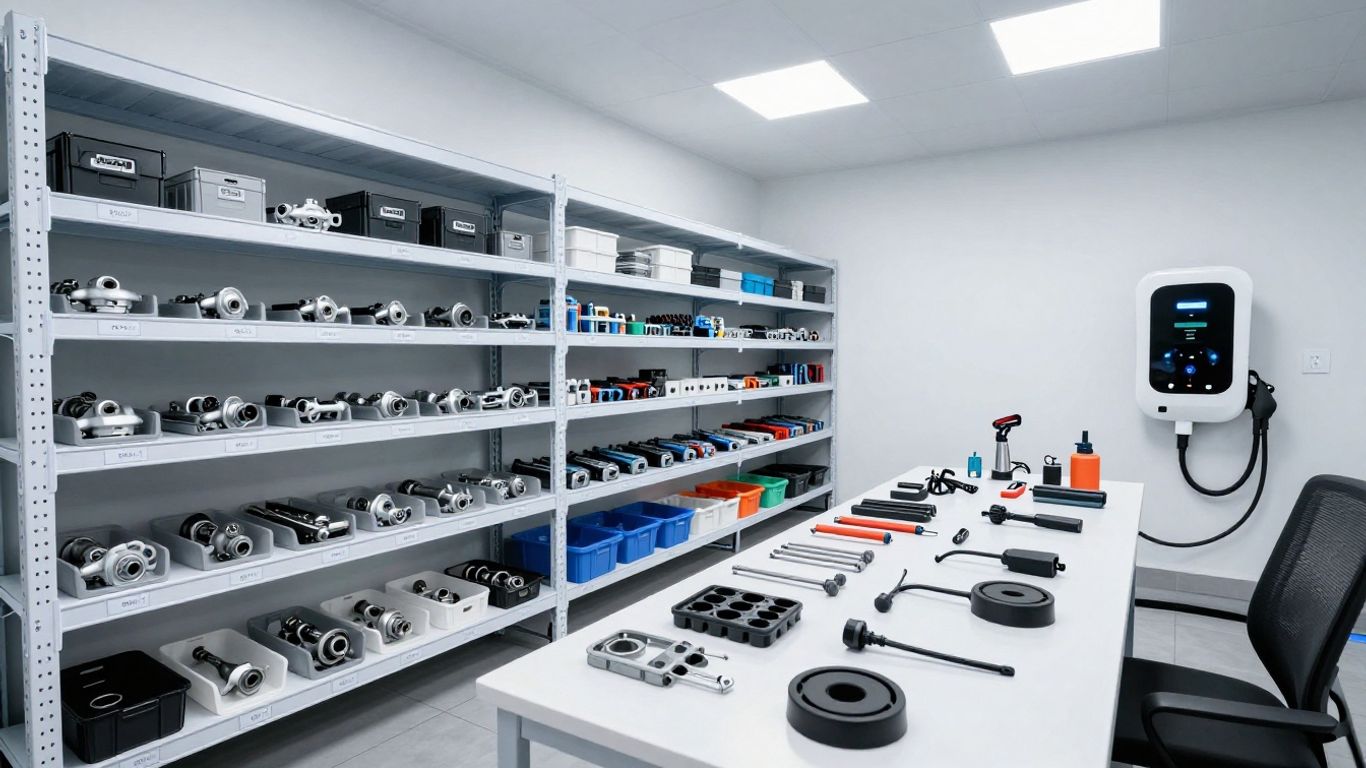
Efficiently sourcing components requires moving beyond traditional bulk-order mentalities and embracing digital tools that provide visibility into the supply chain. Fleet leads often need to coordinate between mobile technicians and centralized service hubs to ensure that the correct hardware arrives exactly when it is needed. Because the automotive landscape is changing, fleet managers who refine their sourcing strategy are better positioned to resolve issues without prolonged vehicle downtime.
Utilizing the Tesla mobile service app
The primary interface for ordering many parts and scheduling site-based assistance remains the official service application. By utilizing this digital platform, you gain direct access to maintenance slots and transparent estimates for component arrival. It serves as the bridge between your operational requirements and the manufacturer’s diagnostic capabilities, streamlining the initial request process significantly.
Leveraging authorized body shops and repair centers
When a fleet vehicle requires more than routine maintenance, tapping into Tesla-certified body shops ensures the repair meets official standards. These centers are equipped with the specialized frame alignment tools and high-voltage safety infrastructure that general repair shops often lack. Building these partnerships allows your team to skip the waitlists that impact independent repairers and speed up the total turnaround time for structural or component-heavy repairs.
Building relationships with authorized parts distributors
Beyond manufacturer direct orders, forming strong ties with authorized distribution partners is crucial for obtaining components consistently. These partners often hold designated stock for regional service needs, allowing for faster localized delivery than shipping items from international logistics hubs. A well-managed relationship here can turn into a competitive advantage when you need high-demand components delivered as quickly as possible.
Managing lead times for high-demand components
Navigating shipping delays is a standard operational hurdle. To illustrate the expected categorization for typical fleet maintenance stock, the following breakdown helps teams prioritize procurement.
| Component Type | Expected Lead Time | Storage Requirement | Criticality Level |
|---|---|---|---|
| Cabin Filters | 1-2 Days | Climate Controlled | Low |
| Tire Kits | 2-3 Days | Heavy Rack | Medium |
| Power Converters | 5-7 Days | Secure Vault | High |
| Thermal Sensors | 3-5 Days | Static-Free | High |
By keeping this data handy, your procurement team can proactively order parts before they actually run out of stock during busy peak usage seasons.
Navigating Tesla service and diagnostic tools
Understanding the internal diagnostic language is as important as having the physical parts in your storage. Modern vehicles contain sophisticated self-testing modules that track component health in real time, often highlighting issues long before a failure occurs. Integrating this digital insight into your daily workflow is the difference between reactive crisis management and smooth operational flow.
Accessing the Tesla Toolbox software
For advanced maintenance, technicians need reliable access to internal diagnostic platforms. This software provides the deep-dive metrics required to calibrate sensors or update module firmware after a part replacement. It is a vital tool for verifying that any installed hardware is correctly recognized by the vehicle’s central computer, ensuring there are no recurring error codes after service.
Interpreting vehicle diagnostic alerts
Modern vehicles are constantly broadcasting health status to the driver interface. When alerts appear, having a standardized interpretation guide helps your dispatchers categorize whether to park the unit immediately or schedule it for a future service window. Promptly addressing these notifications prevents minor sensor issues from escalating into major system failures that could ground a vehicle for weeks.
Importance of using official service documentation
Working with high-voltage systems requires strict adherence to documented procedures. Official manuals provide the exact sequences for de-energizing modules, handling delicate wiring harnesses, and torquing fasteners according to factory specification. Technicians should never rely on memory or generic automotive intuition, as the specific architecture of an EV demands precision to ensure the safety of the entire crew.
Training in-house technicians on EV safety protocols
Safety is the foundation of any successful fleet program. Because these vehicles utilize sophisticated battery management technology, all staff must complete rigorous training on high-voltage handling and emergency shutdown procedures. If your team is not comfortable with the unique requirements of the Wayfinder platform for logistics, consider external certification programs to build confidence and competence internally.
Managing inventory for high-mileage fleets
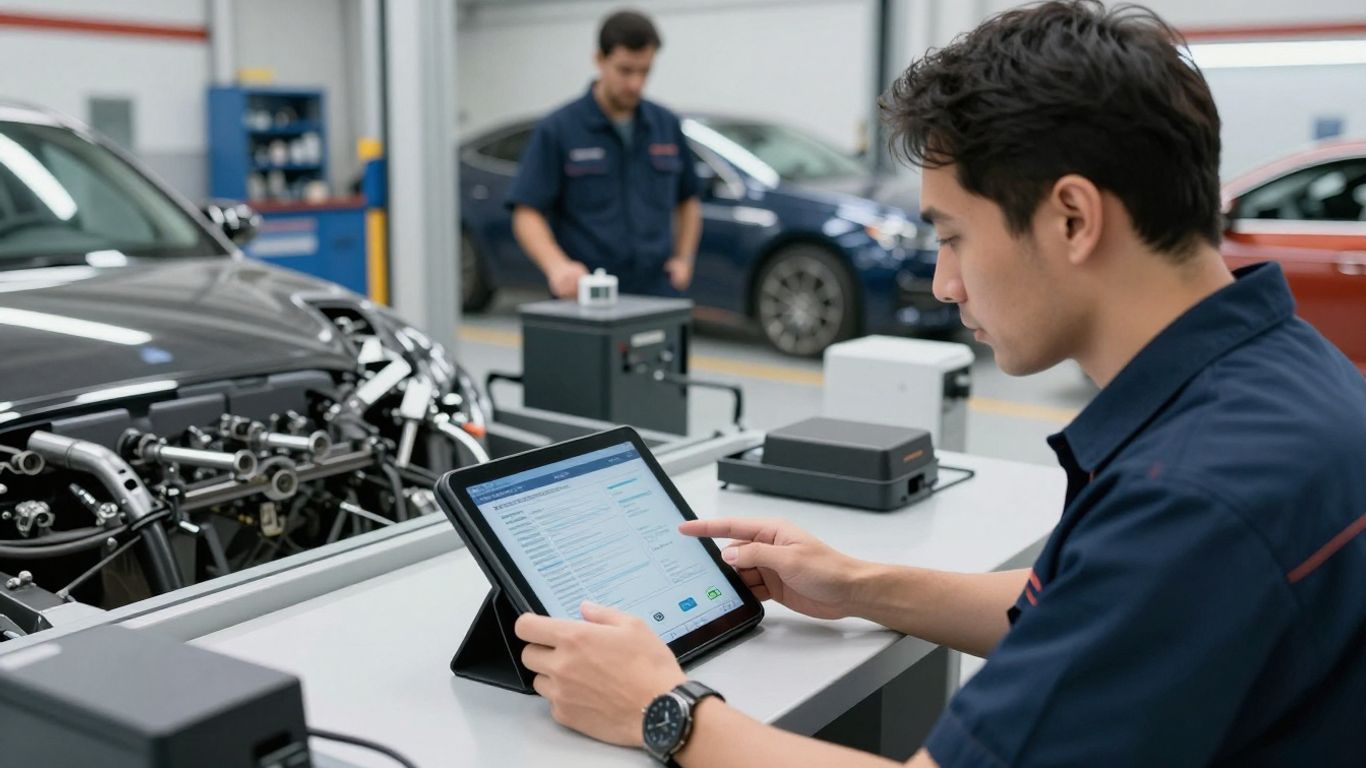
Maintaining a fleet that operates round-the-clock requires a sophisticated approach to physical inventory management. You need a setup that allows for quick retrieval of common parts while keeping high-value, sensitive components under strict controls. Fleet managers should focus on creating a layout that minimizes the time it takes for a technician to get from a vehicle to an essential spare part.
Stocking common wear items for specific models
High-mileage fleets tend to burn through specific consumables at a predictable cadence. By analyzing historical usage data, you can define exactly which parts belong in your facility stock rather than relying on external shipping lead times. It is beneficial to set up a replenishment trigger that automatically flags procurement software whenever your in-house counts reach a defined minimum threshold.
Tracking part lifecycles and historical breakdown data
Keep an exhaustive record of every repair instance to build a longevity profile for your fleet units. If a specific batch of sensors consistently fails at certain mileage marks, your data will highlight this pattern early, allowing for proactive replacement during scheduled maintenance rather than breakdown events. This historical insight is the most powerful tool for reducing downtime across a diverse, high-use fleet.
Strategic storage for time-sensitive repairs
Organizing your inventory space is not just about tidiness; it is about protecting the functional integrity of replacement hardware. High-voltage modules and sensitive electronics require climate control to prevent oxidation or degradation in extreme temperatures. By treating your stock room like a surgical suite, you preserve the life of spare parts even when they sit on a shelf for months at a time.
Integrating inventory management with fleet software
Your parts database should communicate directly with every other system that manages your vehicles. When a technician logs a repair, the software should update stock levels, flag potential reorder points, and adjust the total cost-of-ownership data for that specific unit automatically. Consider exploring solutions like the Signature Solitaire Collection for managing high-value assets and internal tracking sequences. Following these steps helps teams maintain consistency:
- Conduct bi-weekly audits of physical cabinets against the digital database count.
- Standardize labeling nomenclature for every shelf, box, and individual component.
- Implement a barcode scanning system localized to your shop floor.
- Designate a single point of entry for all incoming inventory shipments.
Financial and logistical considerations
Managing the budget requires balancing the immediate need for uptime against the long-term cost of replacing complex vehicle components. It is essential to look at the entire lifecycle impact of every part replacement, from shipping costs to labor hours. Proper budgeting in this area often involves examining eBay sales data for secondary parts as a reference for market pricing, though official channels usually remain the gold standard for long-term fleet reliability.
Budgeting for long-term component costs
Create a multi-year forecast that includes not just predictable wear and tear, but potential large-scale component failures. Predicting the cost of high-voltage battery modules or drive units requires looking at average life cycles rather than just assuming infinite operation. This helps avoid sudden spikes in capital expenditure that can derail a broader financial strategy.
Managing shipping and logistics for bulky items
Bulky items like specialized body panels or heavy frame components require optimized logistics to move within reasonable timeframes. Consolidating shipments reduces the constant overhead of expedited delivery fees, which can quickly inflate the maintenance cost of an individual unit. Focus on working with freight partners who understand the specific care instructions for high-performance automotive shipping.
Evaluating the total cost of ownership per vehicle
Total cost of ownership goes far beyond the initial purchase price or monthly financing. It includes every hour of labor, every spare part, and even the lost revenue from a vehicle being sidelined for maintenance. By meticulously documenting these costs, managers can identify which vehicle models provide the best return, informing future procurement decisions across the entire fleet operation.
Tax implications and expense tracking for replacement parts
Properly categorizing your repair spending ensures that you optimize your tax situation while maintaining clear documentation for accounting. Whether you are dealing with capital improvements to a vehicle or routine expense items, consistent classification is key to accurate financial audits. Consult with tax professionals to understand how regional incentives for functional medicine or renewable energy infrastructure apply to your business operations and equipment maintenance.
Best practices for fleet repair optimization
Achieving peak fleet performance requires a culture dedicated to constant improvement and meticulous record-keeping. The goal is to move from a state of reacting to breakdowns to one of predicting and preventing them. When you standardize your response to field alerts, you minimize human error and ensure that your shop operations run at maximum efficiency.
Establishing a preventative maintenance schedule
Routine checks are the bedrock of reliable fleet operations. By ignoring the simple, regular maintenance tasks, you open the door to complex, system-wide failures that consume significantly more resources to fix later. A robust preventative calendar should cover everything from fluid levels to module health reports, ensuring that every vehicle receives the necessary attention well before it hits a critical issue.
Streamlining communication with Tesla support channels
Maintain a direct line of communication for service requests so your technicians are never left guessing about part availability. Having a pre-established contact method with regional support teams saves precious time compared to using general portals for urgent requests. When you have a relationship with the support staff, you can often clarify nuanced issues far more quickly than an anonymous trouble ticket would allow.
Balancing outsourced specialized repairs with internal labor
Not every repair should be done in-house, especially when specific high-voltage or firmware tasks demand external certification. Smart managers keep their internal team focused on high-frequency, low-risk repairs while outsourcing tasks that require expensive specialized equipment. This ensures your shop labor stays efficient, productive, and focused on maintaining your daily operational capability.
Maintaining detailed documentation for vehicle resale and compliance
Every event in a vehicle’s life—from tire pressure adjustments to frame repairs—should be captured in a unified record. This level of detail is essential for verifying vehicle safety for future resale and demonstrating regulatory compliance during external audits. A thorough digital history proves to both regulators and potential future buyers that your fleet was managed to the highest possible standards, protecting your initial investment and boosting the residual value.
Conclusion
Building a successful maintenance program for a high-performance fleet requires aligning digital diagnostics with physical logistics to ensure reliability across all operational units. By focusing on original component quality, maintaining organized local inventories, and investing in continuous training for your maintenance staff, you can mitigate the challenges of modern electric vehicle upkeep. A proactive strategy not only keeps your wheels turning but maximizes your long-term return on investment, cementing your fleet as a model of contemporary, efficient, and well-supported operational power.
Frequently Asked Questions
How often should fleet managers audit their internal part inventory?
Regular audits are essential for staying responsive to fleet needs. Conducting a thorough review of your stock levels at least once a month allows you to catch discrepancies between digital records and physical counts before they cause an emergency procurement delay.
What is the advantage of maintaining individual vehicle maintenance records?
Specific records allow you to spot trends based on mileage, driver style, or environmental impact on the vehicle. This data-driven approach shifts your strategy from blanket maintenance to individualized care, which typically results in fewer unexpected repairs and increased vehicle lifespan.
Why are proprietary parts difficult to source at retail locations?
Manufacturers often keep proprietary components locked within their own ecosystem to ensure that software integrations and safety systems are not compromised. This controlled supply chain prevents the introduction of non-rated secondary parts that could cause system incompatibility when installed in complex electric drivetrain setups.
How do weather conditions affect fleet maintenance scheduling?
Extreme temperatures and humidity can significantly accelerate the decay of seals, battery health status, and tire grip. Your maintenance schedule should be seasonal, with specific focus areas adjusted quarterly to account for the unique stresses that local climate patterns place on high-voltage systems.
Is it better to perform all repairs within your own facility?
While internal maintenance provides control and typically lowers labor costs, specialized repairs involving high-voltage battery architecture often require external certification and equipment. Outsourcing these specific, higher-risk projects protects your staff and ensures every repair meets professional-grade manufacturer safety guidelines.
Can software integration reduce the frequency of manual inspections?
Advanced vehicle telematics provide real-time reporting on hardware degradation and fault codes. By acting immediately on these digital signals, you can move toward a predictive maintenance model where you fix what is actually failing, rather than following a fixed, outdated schedule that may not correspond to your vehicle’s current state.
What should be included in a standard preventative maintenance checklist?
Include checks for tire pressure and tread longevity, cabin and battery air filter status, cooling system health, fluid levels, and recent diagnostic code status updates. Providing a consistent structure ensures your team never misses key elements during a standard bay check.