
Key Takeaways
Sourcing Tesla parts in Australia is less about finding the cheapest listing and more about confirming fitment, condition, delivery requirements, and after-sale support.
- Confirm the vehicle’s model, build year, trim, and part number before ordering.
- Compare genuine, OEM, aftermarket, and recycled parts on condition and warranty.
- Ask whether the part is locally stocked or sourced internationally.
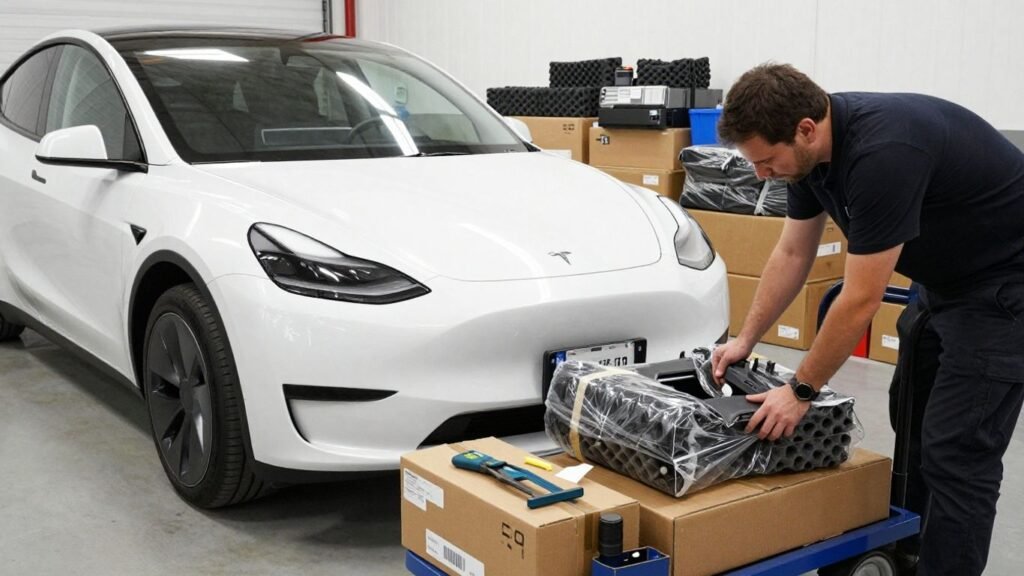
- Treat high-voltage, safety-critical, oversized, and fragile components as specialist freight.
- Photograph deliveries and inspect every part before installation.
Understanding Tesla parts and shipping options in Australia
Tesla parts can come from several supply channels, and each has different implications for price, condition, warranty, and delivery. A small trim piece may be simple to ship, while a large panel or electrical assembly needs more care. The phrase fitment before freight captures the right order of decisions. Start with the vehicle and the required component, then compare shipping options.
Genuine, OEM, aftermarket, and recycled parts
Genuine parts are supplied for the vehicle’s original repair ecosystem, while OEM parts are made by an original equipment manufacturer and may be sold outside the vehicle brand’s own channel. Aftermarket parts can vary considerably in materials, finish, and tolerance. Recycled parts may offer useful value, particularly for older vehicles, but their condition and history should be documented before purchase.
Ask for clear photographs, a part number, and a description of any marks or repairs. A warranty is helpful, but it does not remove the need to verify whether the part is new, tested, refurbished, or removed from a damaged vehicle.
Parts availability for Model 3, Model Y, Model S, and Model X
Availability differs by model, production period, body style, and whether the part is shared across variants. Model 3 and Model Y components may be easier to locate through accessory-focused suppliers, while parts for Model S and Model X can require more careful searching. The Tesla parts range is one example of a catalogue covering Model Y, Model 3, Model S, and Model X accessories and components.
Do not assume that a visually similar item will connect correctly. Charging equipment, sensors, lights, screens, and trim can change across revisions, so request compatibility confirmation rather than relying on a model name alone.
Local stock versus international sourcing
Local stock generally simplifies communication, returns, and delivery tracking. International sourcing may expand the selection, but it can add transit stages, customs processing, currency fluctuations, and a more complicated return route. A supplier should be able to tell you whether the item is physically in Australia or ordered after your purchase.
The Tesla Australia parts guidance is useful background when you are trying to understand the distinction between genuine parts and the repair process. It is sensible to compare that information with the supplier’s own written fitment and warranty terms.
When shipping Australia wide is the best option
Australia-wide delivery makes sense when the required part is not available nearby, when a specialist supplier can verify the component, or when regional access is limited. Before paying, confirm the destination postcode, freight class, estimated dispatch date, and whether delivery is to the door or a depot.
For accessory orders, local Tesla delivery information can help set expectations around dispatch, packaging, and nationwide freight. Those details apply to the named offering, so use them as supplier-specific terms rather than a promise about every Tesla part in the market.
Choosing the right Tesla parts supplier
A reliable supplier makes the buying process easier by giving precise information before the order is placed. Look for consistent descriptions, useful photographs, responsive answers, and a clear returns pathway. Do not judge a listing only by its price or by the number of vehicle models shown in a menu.
How to verify supplier experience and product quality
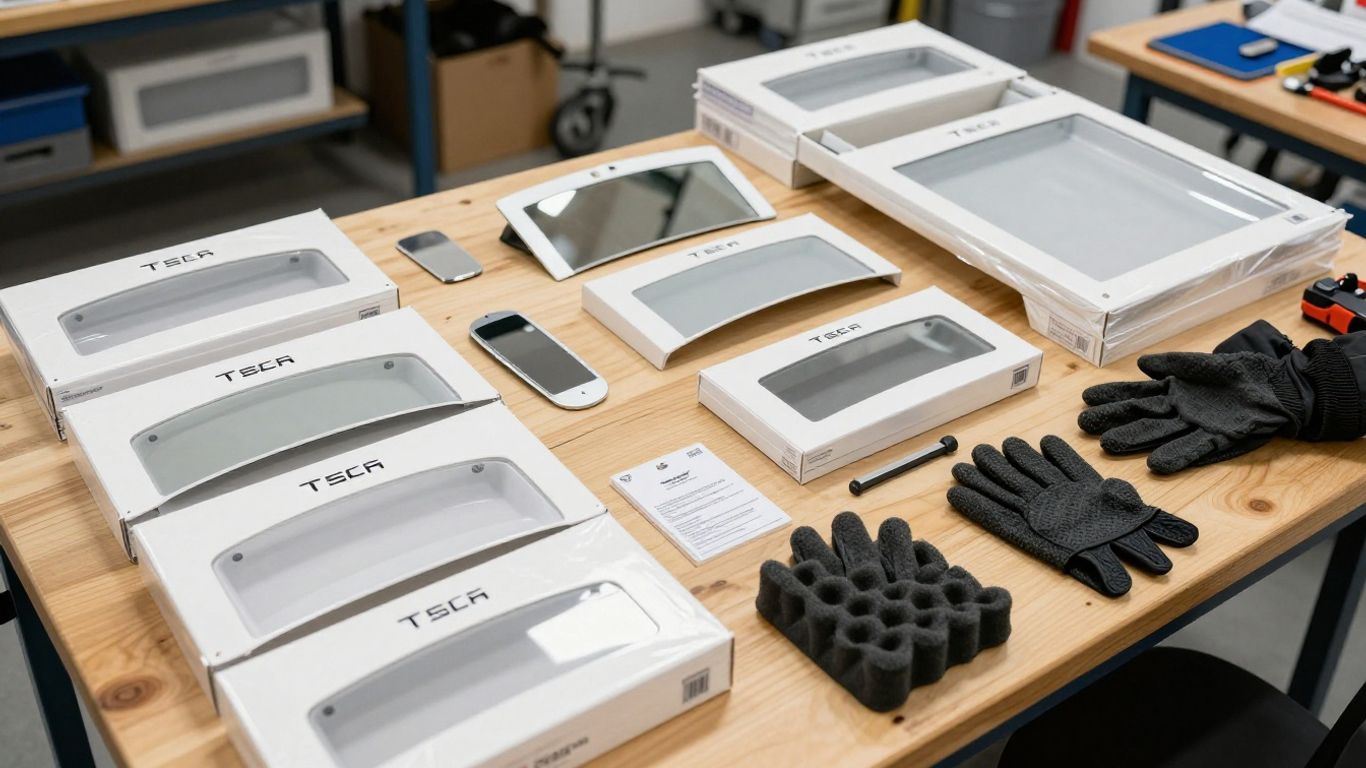
Ask how the supplier identifies, tests, stores, and packages parts. For used components, find out whether testing covers operation or only visual condition, and whether the seller records the donor vehicle or part number. The used Tesla parts specialists page describes tested parts, model coverage, expert guidance, Australia-wide delivery, and a three-month parts and labour warranty for that supplier’s offering.
A good response should be specific to the part you need. Vague assurances about quality are less useful than a test description, photographs of the actual item, and written warranty conditions.
Checking compatibility by model, year, and trim
Give the supplier the vehicle identification number when appropriate, along with model, build year, drive configuration, trim, and any relevant software or hardware revision. If you are replacing a damaged component, photographs of connectors, mounting points, and labels can prevent a costly mismatch.
A catalogue can help narrow the search, but the final check should come from the part number and vehicle details. This is especially important when a part looks interchangeable but uses a different plug, bracket, finish, or calibration.
Reviewing warranties, returns, and customer support
Read the warranty before ordering, including exclusions for incorrect installation, water damage, wear, or modified vehicles. Also check whether return freight is covered, how quickly a fault must be reported, and whether a restocking fee applies. Customer support matters most when the item is large, expensive, or difficult to reinstall.
Keep the invoice, listing, messages, and delivery photographs together. If a dispute arises, a complete record is more useful than a memory of what was said on the phone.
Comparing online stores, dismantlers, and repair networks
Online stores can make accessory and replacement-part comparison convenient. Dismantlers may have scarce recycled components, while repair networks can help identify the correct part and arrange installation. Each channel has a different balance of selection, advice, price, and responsibility after the sale.
Some unrelated preparation tasks also benefit from specialist guidance: sleep apnea specialists, using food before it spoils, and SEO pricing information are examples of pages that address their own specialist subjects. They are not substitutes for automotive advice, but the broader lesson is familiar: match the source to the problem and check what its service actually covers.
Estimating delivery times and shipping costs
Shipping estimates are usually built from dispatch time, carrier transit time, handling requirements, and the destination. A supplier may have the item ready but still need extra time to package a fragile or oversized component. For tesla parts shipping australia wide, request a complete estimate rather than treating a headline delivery promise as guaranteed.
Standard, express, and regional delivery services
Standard freight is often adequate for routine, non-urgent parts, while express delivery can be useful when a vehicle is already booked for repair. Regional and remote destinations may have fewer service days, depot collection requirements, or different surcharges. Ask whether the quoted service includes tracking and signature on delivery.
The cheapest option is not always the best value if a missed delivery delays a workshop booking. Balance the freight price against the part’s urgency and the consequences of damage or delay.
Factors that affect Australia-wide shipping times
Processing time, stock location, public holidays, weather, carrier capacity, and the distance between metropolitan and regional depots can all affect delivery. International orders add export, import, and customs stages. A supplier who separates handling time from transit time gives you a more realistic planning window.
If the part is needed for a scheduled repair, leave room for inspection and possible exchange. Delivery to a business address may also be easier for bulky freight than delivery to a residential property.
Oversized, heavy, and fragile-part delivery requirements
Panels, glass, wheels, battery-related equipment, and large interior assemblies may require protective packaging, a pallet, a tail-lift vehicle, or depot collection. Freight rules can vary by carrier and postcode. Confirm the dimensions, packed weight, insurance position, and what happens if the parcel arrives with visible damage.
A supplier should explain these requirements before checkout. If the freight quote changes only after payment, pause the order and ask for a written explanation.
Tracking shipments and managing delivery updates
Tracking is most useful when the carrier has scanned the parcel and the sender provides a realistic dispatch date. Save the tracking number and monitor exception notices rather than assuming a lack of movement means the parcel is lost. Contact the supplier first if the status has not changed beyond the stated transit window.
Video guides can help explain general packing or inspection practices, but they should not replace the supplier’s instructions or a qualified technician’s advice for installation.
Buying common Tesla replacement parts
Replacement parts differ widely in risk and complexity. Cosmetic items can often be assessed by photographs and dimensions, whereas braking, steering, charging, and electrical components deserve much closer scrutiny. Use the vehicle details and the supplier’s written compatibility information as the starting point.
Exterior panels, lights, mirrors, and trim
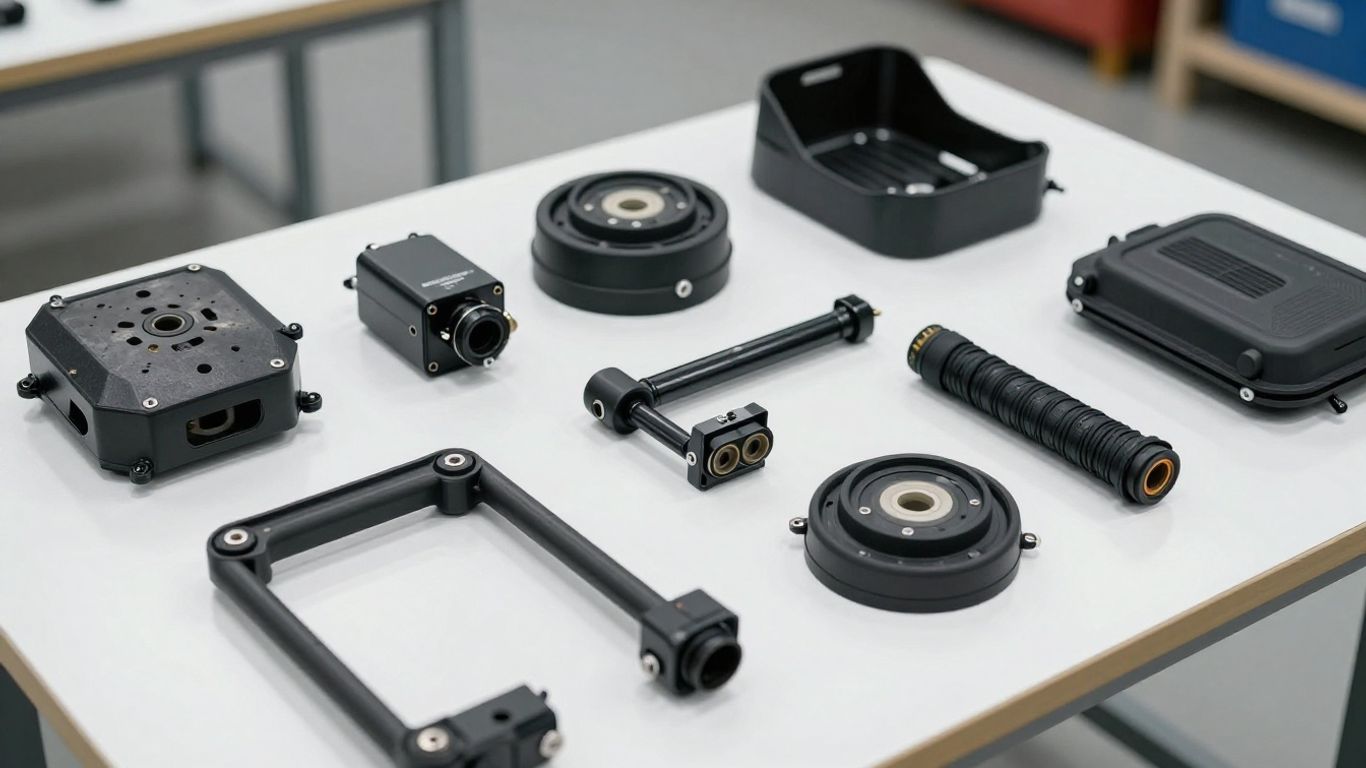
Check paint colour, panel gaps, mounting tabs, lens condition, mirror functions, and whether sensors or wiring are included. A used exterior part may be sound but still need refinishing or transfer of attached hardware. Packaging is particularly important for painted panels, lamps, and mirrors because cosmetic damage can occur even when the outer carton looks acceptable.
For Model 3 and Model Y accessories, locally designed Tesla accessories describes products intended for right-hand-drive vehicles and Australian conditions. Confirm the exact item and vehicle application before assuming that every accessory in a range fits every trim.
Braking, suspension, and steering components
These components affect vehicle control and should be sourced with greater caution than cosmetic trim. Confirm whether the part is new, refurbished, or recycled, and ask about wear measurements or testing where relevant. A workshop can also identify related hardware that should be replaced at the same time.
Do not select a safety-critical part from a photograph alone. The correct specification, condition, and installation method matter more than a small difference in purchase price.
Electrical parts, sensors, and charging equipment
Electrical components may require matching part numbers, connectors, programming, calibration, or a vehicle scan after installation. Ask whether the item is supplied with brackets, cables, seals, or mounting hardware. Charging equipment should be checked for damage, ratings, compatibility, and safe use before connection.
The Tesla accessory selection includes items such as filters, wiper blades, headlight replacements, and TPMS systems. Those listed capabilities should be read item by item; they do not establish compatibility with every vehicle revision.
Interior fittings, screens, and climate-control parts
Interior parts can vary by upholstery, colour, left- or right-hand-drive configuration, and production revision. Screens and climate-control components may also involve connectors, software, or calibration. Request images of the actual finish and mounting points, not only a stock catalogue image.
Protective packaging matters for screens and glossy trim. On arrival, inspect surfaces and connectors under good lighting before removing protective films or discarding the packaging.
Checking safety, fitment, and installation requirements
A correct-looking part can still be wrong for a particular vehicle. Fitment checks should happen before payment, while safety checks continue when the parcel arrives and during installation. If a supplier cannot answer a basic compatibility question, treat that uncertainty as a reason to pause.
Confirming part numbers and vehicle compatibility
Compare the number on the existing component with the proposed replacement, allowing for superseded numbers and documented revisions. Provide the VIN when a supplier requests it, but remember that a VIN lookup may not resolve every aftermarket modification or previous repair. Written confirmation is preferable to an informal assumption.
For key-related issues, the difference between ordering and electronic programming is significant; a VIN-based car key guide explains why identification alone may not complete the replacement process. That principle also applies to other vehicle electronics: identification and installation are separate steps.
Identifying parts that require professional installation
Professional installation is appropriate when a part affects braking, steering, restraint systems, calibration, sealing, or high-voltage equipment. A qualified technician can also check for underlying damage that caused the original failure. Ask the workshop whether it will install customer-supplied parts and what warranty it provides on labour.
Before booking, confirm that the technician has the equipment and experience required for the specific repair. This avoids paying for freight only to discover that the part cannot be fitted as supplied.
Handling high-voltage battery and electrical components safely
High-voltage systems can remain dangerous even when the vehicle appears switched off. Battery packs, drive units, inverters, charging hardware, and related wiring should be handled only by appropriately trained professionals using the required isolation and protective procedures. Do not open, test, or modify these components at home.
Follow the supplier’s handling instructions and transport rules. If packaging is damaged or a component shows signs of impact, keep it isolated and contact the seller or a qualified repairer before doing anything further.
Inspecting parts for damage before installation
Photograph the parcel from several angles before opening it, then photograph the part, labels, connectors, and mounting points. Look for cracks, bent tabs, moisture, broken seals, missing hardware, and marks that were not shown in the listing. Do not install a questionable component simply because the vehicle is waiting.
A careful inspection gives the supplier a fair opportunity to resolve the issue and helps distinguish shipping damage from installation damage. Retain all packaging until the part has been accepted and tested.
Managing returns, warranties, and import considerations
The order is not complete when the tracking status says delivered. Returns, warranty claims, and import costs can determine whether an apparently inexpensive part was actually worthwhile. Read the terms before purchase and keep a written record of the transaction.
What to do when a part arrives damaged
Record the condition immediately, including the outer carton, internal padding, labels, and the damaged area. Notify the supplier within the period stated in its terms and ask whether the carrier needs to inspect the parcel. Do not discard packaging or attempt a repair before receiving instructions.
If the damage is significant, avoid fitting or powering the component. A clear timeline, photographs, and order details usually make the claim easier to assess.
Understanding warranty coverage for different part types
Warranty coverage can differ between new, used, refurbished, and consumable parts. Check whether the warranty covers the component only, associated labour, return freight, or replacement testing. Installation by an unapproved person, physical damage, and incorrect fitment are common exclusions, but the actual terms control.
A warranty does not necessarily cover a part that was ordered incorrectly. That is why compatibility confirmation should happen before the order, not after the parcel arrives.
Australian consumer rights and return policies
Australian consumer protections may apply in addition to a supplier’s voluntary returns policy, depending on the transaction and the circumstances. A change-of-mind return is different from a product that is faulty, unsafe, misdescribed, or not fit for its stated purpose. Keep the receipt and communicate in writing.
For a complex dispute, obtain independent advice rather than relying on a social-media comment. The seller’s published terms are worth reading, but they should not be treated as the only source of rights.
Customs, duties, and GST on imported Tesla parts
Imported parts can attract GST, duties, brokerage charges, or handling fees depending on the goods, value, shipping arrangement, and applicable rules. Ask whether taxes and clearance charges are included in the checkout price. Also confirm who is responsible if customs requests additional information.
A comparison with local stock should include the landed cost, not just the overseas item price. International delivery can be worthwhile for an uncommon component, but the return journey may be slower and more expensive.
Conclusion
A successful Tesla parts order comes from matching the right component to the right vehicle, supplier, freight service, and installation plan. Verify the details before paying, document the parcel when it arrives, and use qualified help for safety-critical or high-voltage work.
Frequently Asked Questions
How long does Tesla parts shipping Australia wide usually take?
Timing depends on stock location, handling time, destination, carrier service, and whether the part requires specialist freight. Ask for dispatch and transit estimates separately.
Can I buy used Tesla parts in Australia?
Yes, used or recycled parts may be available through dismantlers and specialist suppliers. Confirm the donor information, condition, testing, warranty, and exact compatibility before ordering.
How do I check whether a part fits my vehicle?
Provide the model, build year, trim, VIN when appropriate, and the existing part number. Photos of connectors and mounting points can help resolve differences between revisions.
Are imported parts cheaper than locally stocked parts?
Not always. Compare the complete landed cost, including freight, GST, duties, brokerage, currency conversion, and the potential cost of an international return.
What should I do if a part arrives damaged?
Photograph the parcel and part, retain all packaging, and contact the supplier promptly under its damage-reporting process. Avoid installation or repair until you receive instructions.
Which Tesla parts need professional installation?
Braking, steering, restraint, calibration, high-voltage, and many electrical repairs should be handled by appropriately trained professionals. Ask the workshop about customer-supplied parts before booking.
Should I choose genuine, OEM, aftermarket, or recycled parts?
The best choice depends on the part, budget, availability, condition, and warranty. Compare documented specifications and support rather than choosing by label alone.