
Key Takeaways
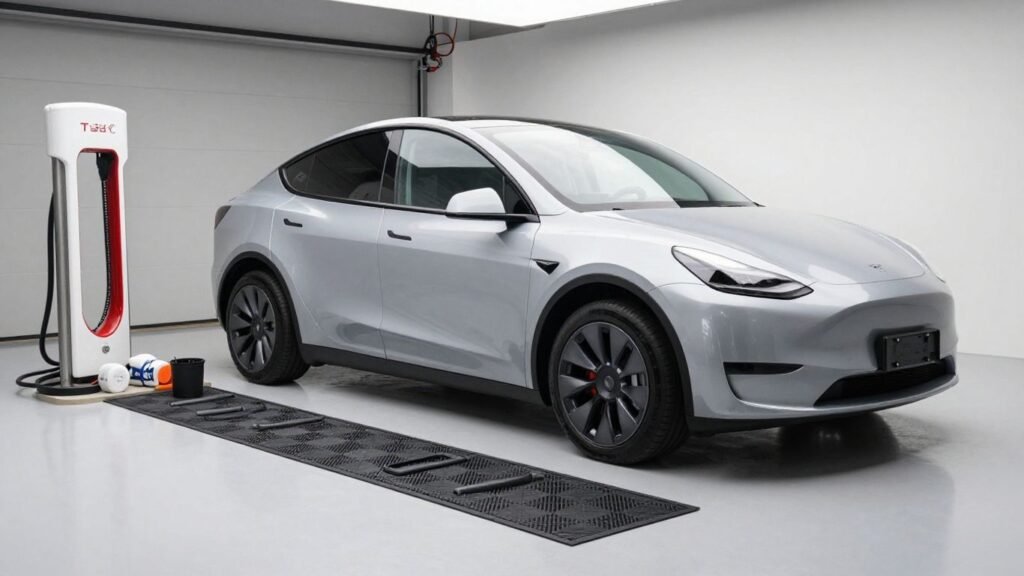
Premium Tesla parts and accessories are easiest to choose when you begin with your exact vehicle, your routine, and a clear budget. Fitment, durability, installation, and long-term practicality matter as much as appearance.
- Confirm the Tesla model, trim, production year, and relevant hardware before ordering.
- Separate protection and convenience upgrades from purely cosmetic changes.
- Compare materials, fitment details, weather resistance, and warranty terms.
- Consider how accessories affect comfort, charging, visibility, efficiency, and road noise.
- Plan installation carefully and keep safety, software, and warranty questions in view.
Define your Tesla’s needs before you shop
The best buying decision usually happens before you open an accessory catalog. Start by describing how you use the car, where it is driven, and which frustrations you want to solve. That approach keeps premium Tesla parts and accessories from becoming a collection of attractive items that rarely earn their place in daily life. It also gives you a practical way to compare products that look similar at first glance.
Identify your model, trim, and production year
Tesla vehicles can differ by model, generation, trim, wheel package, interior configuration, and production period. Record the information from the vehicle display, purchase documents, or the vehicle identification number before you shop. Small changes in console design, seat shape, camera placement, or cargo dimensions can affect whether a part fits properly.
Keep screenshots or measurements when a listing asks for them. If a seller provides a fitment chart, read every note rather than relying on a broad label such as “Model 3” or “Model Y.” A careful match at this stage is usually easier than returning a part after installation.
Separate essential upgrades from cosmetic accessories
Make two short lists: items that protect the vehicle or solve a recurring inconvenience, and items chosen mainly for appearance. Floor liners, cargo protection, charging storage, and a useful phone mount may improve everyday ownership. Decorative trim, colored accents, or replacement panels can still be worthwhile, but they should compete for budget honestly.
A simple question helps: would you still want the item after six months of normal driving? If the answer is uncertain, postpone it until the practical upgrades are covered. This keeps the purchase focused without taking the enjoyment out of personalization.
Prioritize daily driving conditions and use cases
Think through rain, snow, dust, pets, children, long trips, street parking, tight garages, and frequent public charging. A driver carrying muddy equipment needs different protection from someone whose car stays in a warm garage. Likewise, a commuter may value storage and glare control, while a road-trip driver may care more about cable organization and portable charging.
Write down the three situations that create the most friction. That list can guide your search more effectively than browsing a large range of products. It also helps you avoid buying several accessories that solve the same minor problem.
Set a realistic budget for parts and installation
The purchase price is only one part of the cost. Include shipping, tools, professional fitting, paint correction, calibration, replacement clips, and the possibility of removing an older accessory. A low-cost item can become expensive if it requires repeated adjustment or leaves marks that need professional attention.
For larger projects, divide the budget into protection, comfort, technology, and appearance. Spend first where damage or inconvenience would be expensive to correct. Then leave a small reserve for installation surprises rather than committing every dollar to the parts themselves.
Evaluate quality and compatibility
Premium does not simply mean expensive or visually polished. A good accessory should suit the vehicle, tolerate its environment, and continue working after repeated use. Read technical details alongside customer photographs, but treat reviews as supporting evidence rather than a substitute for fitment information. Exact compatibility comes first because a beautifully made part is still a poor purchase when it interferes with the car.
Check fitment for your exact Tesla configuration
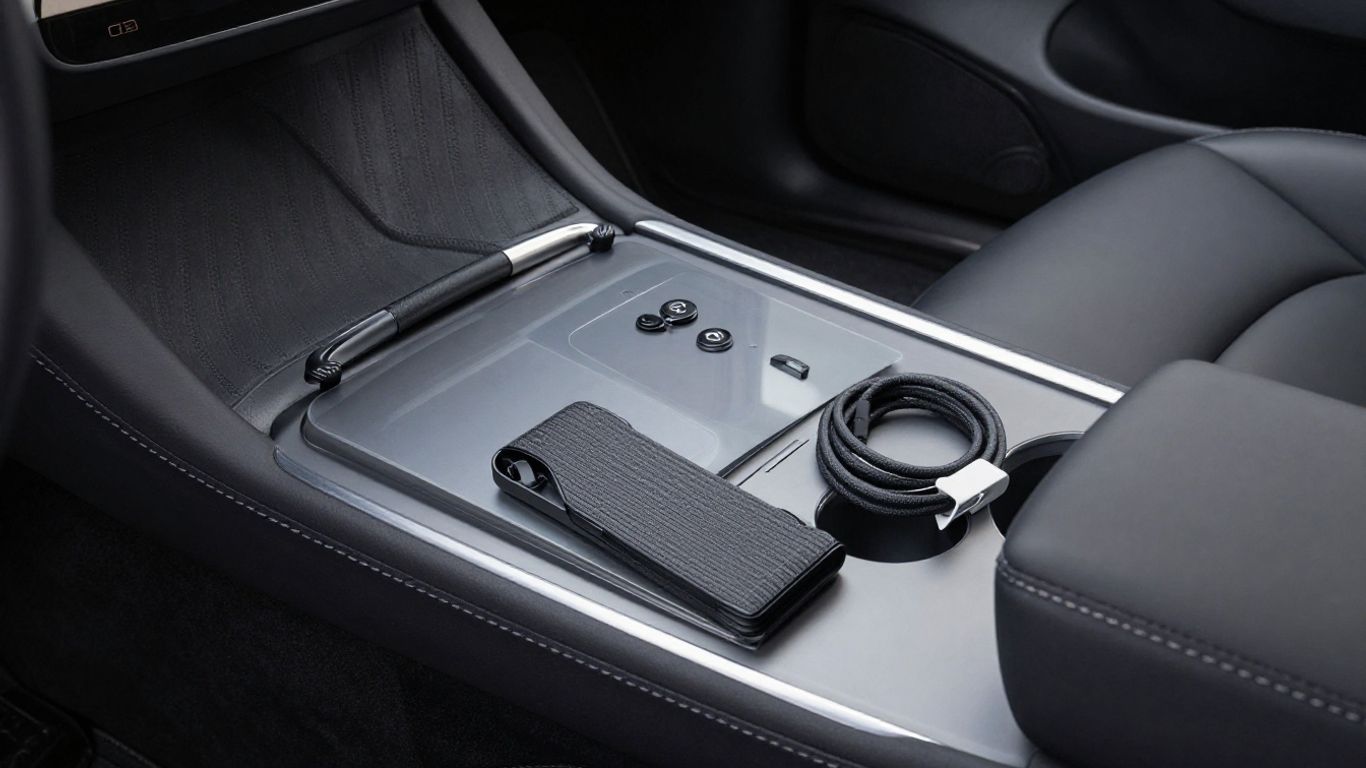
Look for a specific model, production range, interior layout, wheel size, or hardware requirement. Check whether the product is designed for left- or right-hand-drive vehicles where relevant, and confirm whether it replaces an original component or sits over it. Measurements are particularly useful for organizers, screens, mats, and cargo systems.
Before checkout, save the listing and its fitment notes. Product pages can change, and those details may be useful if a return or support question arises. When information conflicts, ask the seller for written confirmation instead of guessing from photographs.
Compare materials, construction, and finish
Study the thickness, edge treatment, attachment method, stitching, fasteners, and surface texture. For interior pieces, consider whether the material will trap dirt, reflect light, or become uncomfortable in heat. For exterior pieces, inspect how exposed edges and seams are handled because those areas often show wear first.
A finish should suit the surrounding factory materials rather than merely stand out in a product photo. Matte, satin, gloss, textile, rubber, and coated surfaces each have different cleaning needs. The more frequently you touch or clean an accessory, the more those small construction choices matter.
Look for weather resistance and long-term durability
Weather resistance is relevant even for accessories inside the cabin. Wet shoes, melting snow, sand, spilled drinks, and temperature swings can test mats, liners, storage bins, and adhesive-backed products. Outdoor parts face additional exposure to ultraviolet light, road salt, water, grit, and repeated washing.
Search for clear care instructions and material information. Avoid assuming that “premium” guarantees durability; a useful listing explains what the product is made from and how it should be maintained. If the seller gives no guidance at all, factor that uncertainty into the price.
Verify compatibility with sensors, cameras, and charging hardware
Any item near cameras, sensors, mirrors, charging ports, or high-voltage equipment deserves extra scrutiny. Check that a cover does not obstruct a camera view, that a trim piece does not alter a sensor opening, and that a charging accessory does not place strain on a connector. Adhesives and thick protective layers can also change clearances.
Use this quick review before ordering a technology-adjacent part:
- Identify every sensor, camera, port, and moving surface nearby.
- Check the installation photos for clearance around those components.
- Confirm whether the accessory is removable without damaging the original surface.
- Ask support about compatibility if the listing uses broad model language.
After installation, test the affected functions in a safe location. A part that looks correct while parked may behave differently when a door, hatch, cable, or camera is in use.
Explore premium interior parts and accessories
Interior accessories are touched and seen every day, so comfort and maintenance should guide the choice. A refined cabin is not necessarily the one with the most additions; it is the one that remains easy to clean and pleasant to use. Consider how each item interacts with the original seats, console, screens, and storage spaces. For broad browsing, Tesloid accessories are described as a curated selection balancing quality and value.
Upgrade floor mats, liners, and cargo protection
Start with the areas that receive the most dirt and wear. A well-fitting mat or liner should stay in place, cover the relevant footwell or cargo surface, and be simple to remove for cleaning. Raised edges can help contain water and debris, while a textured surface may improve grip.
For cargo protection, measure around seat backs, side walls, and hatch thresholds. Think about whether you need a flat surface for luggage, flexible coverage for pets, or a liner that can be rinsed. Avoid products that bunch near pedals, seat tracks, or latch points.
Improve comfort with seat and console accessories
Comfort upgrades should preserve normal seat movement and access to belts, controls, and storage. Cushions, armrest covers, and console pads can change the seating position or heat retention, so look for a shape that supports rather than crowds the original design. Soft materials should also be checked for cleaning and color transfer.
For the center console, confirm that the lid opens fully and that wireless charging or cup holders remain usable. An accessory that adds padding but prevents ordinary movement will become an annoyance quickly. Try to judge the part in the context of your whole driving position.
Add organizers for everyday convenience
Organizers work best when they reduce searching without making the cabin feel crowded. Measure the space, identify what you actually carry, and choose compartments that keep frequently used items within reach. A small bin for cables, sunglasses, or charging cards can be more useful than a large organizer with awkward divisions.
The Model Y accessory collection is one example of a category organized around interior and exterior personalization. Whatever source you use, compare dimensions and installation photos rather than choosing by the vehicle name alone. Storage should preserve access to emergency equipment and ordinary controls.
Choose screen, dashboard, and interior protection
Screens and glossy surfaces show fingerprints, dust, and small scratches, while dashboards can be affected by sunlight and frequent contact. Look for protection designed for the exact screen size and surface type. Installation cleanliness matters: dust under a film or trapped grit beneath a trim piece can be more noticeable than the original mark.
Consider glare, touch response, cleaning products, and removal. A protection layer should not make the display difficult to read or operate. For dashboard accessories, check that the material will not interfere with vents, visibility, or airbag zones.
Consider exterior upgrades and protection
Exterior modifications have a wider effect than appearance alone. They can change cleaning routines, exposure to chips, wheel protection, visibility, and the way the car sounds on the road. Start with the surfaces most at risk in your parking and driving environment. Then compare the reversible options with permanent changes before committing.
Protect paint with wraps, films, and ceramic coatings
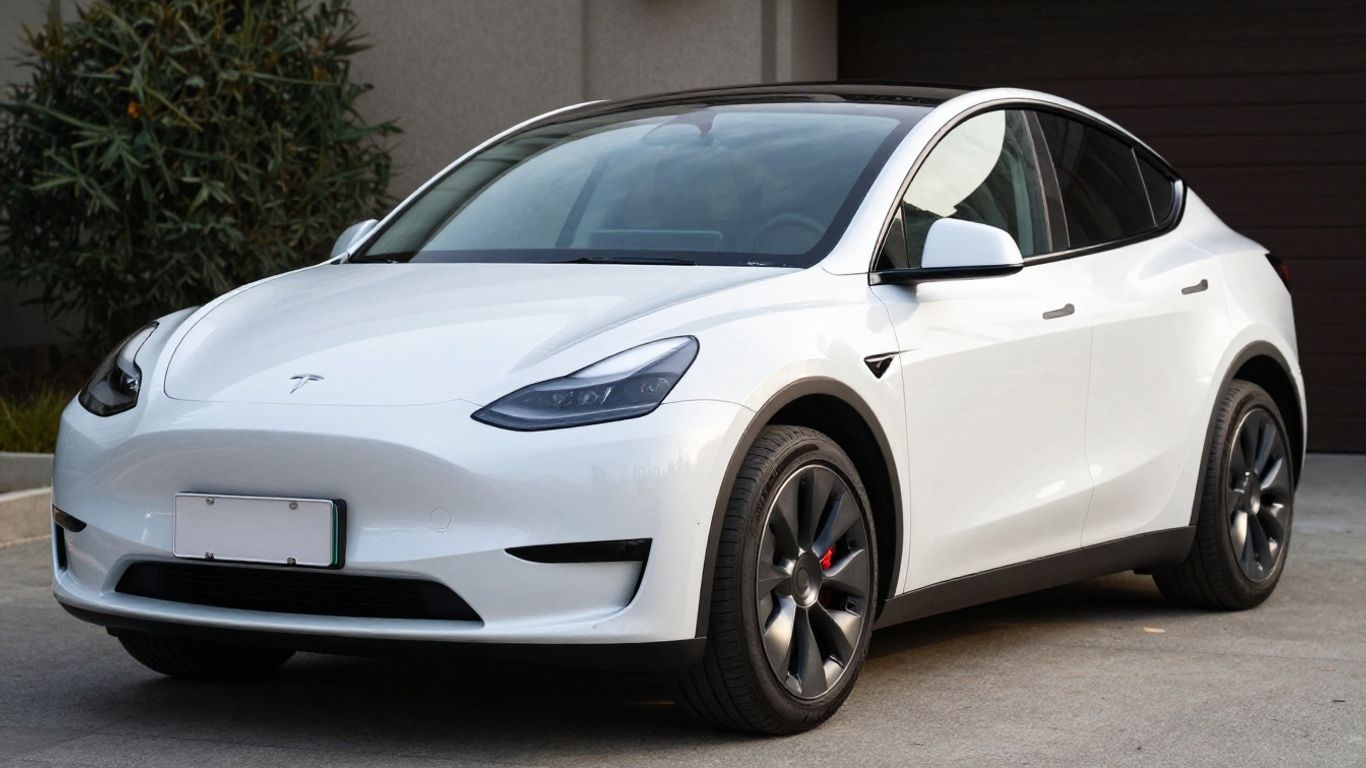
Paint protection films, wraps, and ceramic coatings serve different purposes and should not be treated as interchangeable. Review the preparation process, coverage, maintenance, removal method, and installer experience. A neat finish depends heavily on surface preparation and application technique, especially around edges and complex contours.
Ask how repairs or partial replacement are handled. Also consider whether the selected finish matches the rest of the vehicle as it ages. Protection is most useful when its upkeep fits your willingness to wash, inspect, and maintain the car.
Select wheels, tires, and aerodynamic enhancements
Wheel and tire choices affect appearance, ride comfort, handling, efficiency, and exposure to curb damage. Confirm load rating, dimensions, offset, brake clearance, and seasonal suitability before buying. An aerodynamic add-on should be checked for secure attachment and adequate clearance over driveways, ramps, and uneven roads.
Do not judge a wheel or spoiler from a static photograph alone. Read the specifications and consider how the change fits your normal routes. A visually striking part may be less satisfying if it makes the ride harsher or increases maintenance.
Improve visibility with lighting and mirror accessories
Visibility accessories should improve awareness without creating glare or distracting other road users. Check lighting regulations, beam direction, installation quality, and whether a replacement changes the operation of original controls. Mirror additions should provide a stable view while preserving adjustment range and clear sight lines.
Keep wiring, adhesives, and mounting hardware away from moving joints and weather-exposed gaps. If an upgrade requires disassembling lighting or mirror assemblies, decide whether the task belongs with a qualified installer. Precision matters more than visual drama in this part of the car.
Balance appearance upgrades with efficiency and road noise
Exterior additions can affect airflow, weight, tire noise, and the ease of washing the vehicle. Before choosing a modification, ask what trade-off you are accepting. A wider tire may alter road feel, while a textured or extended body part may collect more dirt and produce additional wind noise.
Take photographs and measurements of the original setup before installation. That makes it easier to compare the result and return to stock if the change does not suit your driving. Good customization leaves room for practical evaluation after the novelty fades.
Choose charging and technology accessories
Charging equipment should be selected around the electrical supply, parking arrangement, travel habits, and connector requirements. Convenience accessories are useful only when they remain easy to store, inspect, and operate. Read safety instructions carefully and avoid treating a cable, adapter, or power device as a decorative purchase. The right setup reduces friction without encouraging improvised electrical work.
Compare home charging equipment and cable options
Begin with the power available at your parking space and the installation requirements for any home equipment. A qualified electrician can assess the circuit, outlet, protection, and cable routing. Compare cable length, storage, weather exposure, and the conditions under which the equipment is rated for use.
Do not coil or store a cable in a way that strains its connectors. Keep the charging area clear of standing water and traffic paths, and make sure the equipment can be inspected without moving the vehicle. A neat installation is safer and easier to live with.
Select portable charging and storage solutions
Portable equipment is most useful when it matches the trips you actually take. Consider weight, storage space, cable management, connector protection, and access to suitable power. A compact case or wall-mounted holder can prevent repeated bending and keep the cable away from dirt.
Check the instructions for temperature, moisture, and outlet conditions. Portable does not mean suitable for every location. Store the equipment where it will not be crushed by luggage or exposed to unnecessary heat.
Protect charging ports and connectors
Port covers and connector holders should keep debris away without trapping moisture or adding strain. Confirm that a cover does not block the port door, interfere with the cable latch, or make it difficult to see the connection. Soft materials may be convenient, but they still need regular cleaning.
Inspect the connector and cable before each use when conditions are wet or dirty. Replace damaged components rather than hiding wear with an additional sleeve or cover. Small signs of cracking, looseness, or heat deserve attention.
Add practical mounts, hubs, and power accessories
A mount should hold its device securely without obstructing the driver’s view or important controls. Hubs and power accessories need clear specifications for ports, power delivery, heat, and cable placement. Avoid installing anything where it can become a projectile during sudden braking.
The Tesery accessory range is presented as a one-stop selection focused on Tesla accessories. Regardless of the store, compare the exact device requirements with the listing and keep cables routed away from pedals, steering movement, and airbag areas.
Buy and install Tesla parts with confidence
A careful purchase includes the seller, the installation plan, and the aftercare—not just the part itself. Save the product page, order confirmation, fitment notes, and installation instructions. If you want a broad aftermarket reference, EVANNEX accessories are described as products intended to protect, improve, and personalize Tesla vehicles. That description still does not replace checking the particular item you are considering.
Compare aftermarket, OEM, and third-party options
Original equipment parts may be the simplest choice for a direct replacement, while aftermarket products can offer different materials, layouts, or styling. Third-party sellers vary widely, so compare specifications rather than assuming a category guarantees quality. Examine whether the part replaces, covers, or modifies an original component.
For interior organization and styling, RPM TESLA accessories are described as including protection, customization, and organization products. Use such descriptions as a starting point, then verify the exact model, dimensions, materials, and installation method for the individual listing.
Review warranties, return policies, and customer support
Read the warranty length, exclusions, claim process, and responsibility for shipping. A return policy should explain deadlines, condition requirements, restocking charges, and whether installed products qualify. These details matter most for fitment-sensitive parts that may need to be test-fitted before final installation.
Before ordering, send a specific question to support and keep the response. Clear answers about configuration and installation can reveal how well a seller handles practical ownership questions. A polished website alone is not enough evidence of useful support.
Check installation requirements and service availability
Some accessories are simple to place, while others involve adhesive preparation, trim removal, wiring, drilling, lifting, or disassembly. Be honest about your tools, workspace, and experience. If an installation can affect sensors, lighting, charging, or body panels, professional service may be the sensible option.
Ask whether the installer has worked on the relevant Tesla configuration and whether they provide a written scope of work. Photograph the vehicle before handing it over. That record can help clarify the condition of surfaces, trim, and existing accessories.
Watch for safety, software, and warranty considerations
Avoid changes that obstruct airbags, visibility, controls, seat belts, cameras, sensors, or charging equipment. Some modifications may also affect software behavior or create questions about service coverage. Read the vehicle and accessory instructions, and do not assume that a part is harmless simply because it is sold for the right model.
Test one change at a time and keep the original parts when practical. After installation, check doors, seats, cameras, lights, charging, and storage before returning to normal driving. A measured process makes it easier to identify and correct a problem.
Conclusion
Choosing premium Tesla parts and accessories is less about adding the most equipment and more about making deliberate improvements that fit your vehicle, routine, and budget. Confirm compatibility, assess materials and durability, plan installation, and judge every upgrade by how well it serves real daily use.
Frequently Asked Questions
What should I check before buying Tesla accessories?
Confirm the exact model, trim, production year, dimensions, hardware configuration, and installation method. Also review return terms and whether the product affects cameras, sensors, charging, visibility, or moving parts.
Are expensive Tesla accessories always better?
No. Price can reflect materials, design, installation, or brand positioning, but it does not guarantee fit or durability. Compare specifications, construction, care requirements, warranty coverage, and independent user experience.
Which Tesla accessories are most useful for daily driving?
Useful choices depend on the driver, but floor protection, cargo liners, organizers, charging storage, and carefully positioned mounts often address recurring inconveniences. Start with the problems you encounter repeatedly.
Should I install Tesla parts myself?
Simple, reversible accessories may be suitable for careful home installation. Parts involving wiring, adhesives on visible surfaces, trim removal, sensors, cameras, lighting, charging, or bodywork may be better handled by an experienced professional.
How can I protect a Tesla interior from wear?
Use fitted floor and cargo protection, clean spills promptly, choose materials that tolerate the local climate, and avoid accessories that rub against seats, screens, or trim. Regular inspection helps catch movement and trapped debris.
Can exterior accessories affect efficiency or road noise?
They can, depending on size, weight, shape, wheel and tire specifications, and installation quality. Consider the likely effect on airflow, rolling resistance, ride comfort, wind noise, and cleaning before making a change.
What should I do if an accessory does not fit?
Stop installation, photograph the issue, and compare the part with the saved fitment information. Contact the seller before modifying the product, and use the return process if the item is incompatible or materially different from its description.