

Key Takeaways
Navigating the process of maintaining and upgrading a vehicle requires careful consideration of part quality and compatibility. Here are the core factors to keep in mind:
- OEM parts offer guaranteed compatibility with your specific model.
- Aftermarket parts provide cost-effective aesthetic and functional upgrades.
- Verifying compatibility through your VIN prevents costly purchase mistakes.
- Professional installation is often recommended to maintain safety and warranty status.
- Sourcing components locally ensures faster logistics and easier support access.
Understanding your options for Tesla parts
Deciding how to source components for an electric vehicle often feels overwhelming given the technology-focused nature of current automotive maintenance. Whether you are addressing a minor cosmetic repair or seeking a performance upgrade, the route you choose influences both long-term reliability and safety. Finding the best place to buy tesla parts in australia requires patience and research into local supply chains versus direct factory options.
OEM vs. aftermarket explained
Original Equipment Manufacturer components are produced by or specifically for the vehicle manufacturer to ensure the exact specifications of your factory build. These parts preserve the integrity of your car, while aftermarket alternatives are often created by independent companies to provide cheaper, alternative, or performance-oriented solutions. Choosing between them typically depends on whether you prioritize maintaining factory standards or customizing your driving experience.
Safety implications of third-party components
Integrating non-standard parts into an advanced electrical architecture requires caution as electrical systems in modern vehicles are highly sensitive to voltage fluctuations. Poorly designed external components can potentially lead to software conflicts or failures in safety-critical systems. It is essential to ensure that any modification does not bypass core safety mechanisms or compromise the vehicle’s structural integrity.
Sourcing parts through Tesla service centers
The most direct approach for maintenance is through official service channels which provide verified, model-specific hardware. While this route ensures authenticity, it may have limitations regarding accessibility, scheduling, and total cost when compared to smaller boutique specialized retailers. Understanding the limitations of official channels helps owners decide if they should look elsewhere for non-urgent accessories or maintenance items.
Sourcing genuine OEM Tesla components
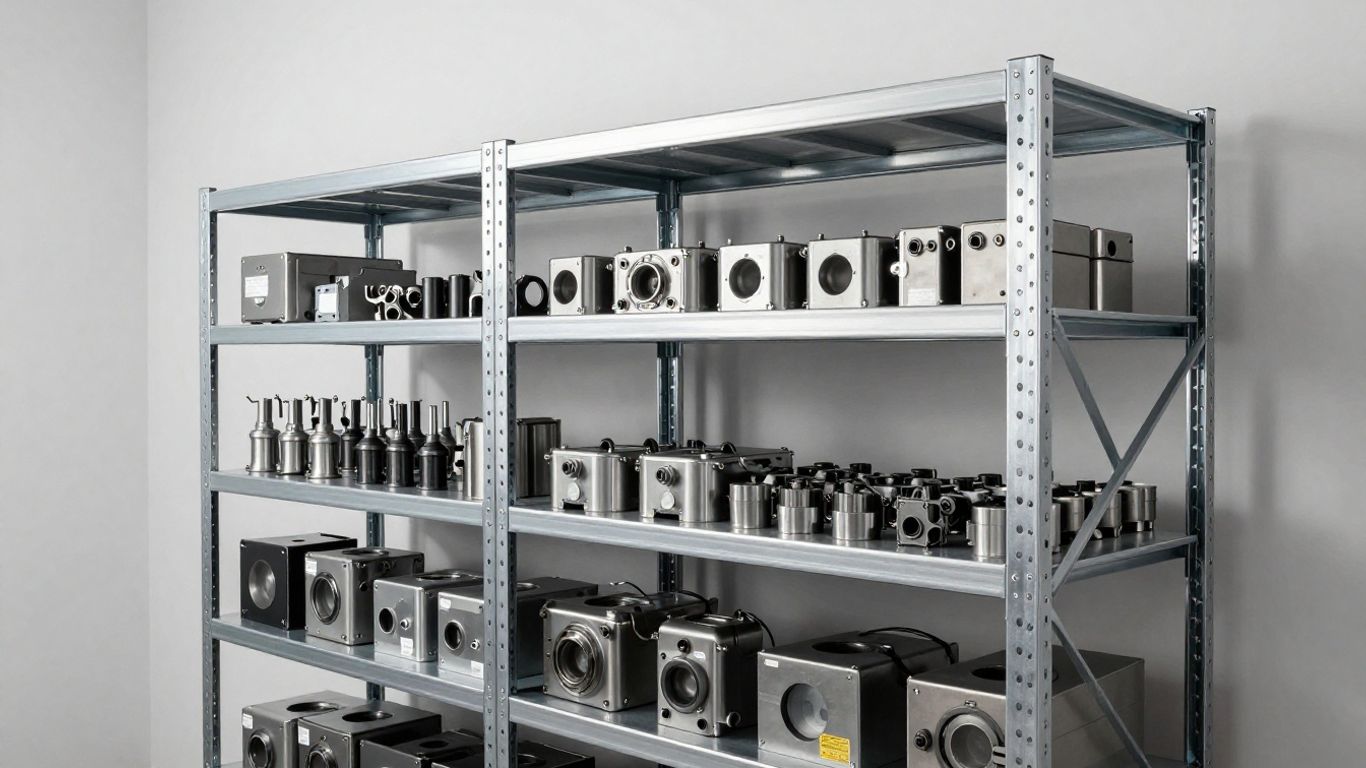
Authentic parts are designed to meet the rigorous endurance tests mandated by original engineering standards, which is vital for long-term ownership. When you use official channels, you minimize the risk of mechanical incompatibility and ensure that repairs are conducted according to manufacturer protocols.
Benefits of using official Tesla supply channels
Official channels provide the guarantee of quality control and perfect fitment that is often missing from unproven third-party suppliers. You receive components that are validated for your exact vehicle configuration, meaning you avoid the guesswork associated with variant-specific hardware changes. This approach is generally the safest way to maintain high-voltage systems and specialized electronic modules.
How to access the official Tesla parts catalog
Owners can typically navigate the web interface provided by the manufacturer to identify relevant component numbers and availability. If you prefer a curated experience, EVolution Parts offers a streamlined way to peruse genuine components specifically selected for various vehicle configurations, helping you avoid long waits for specialized factory orders.
Identifying authorized repair partners in Australia
Authorized shops have the specialized diagnostic tools and training required to service advanced electric vehicle systems effectively. These partners often have better access to internal schematics that regular mechanic shops lack. It is always wise to confirm status through online directories to ensure the shop follows strict service standards.
Exploring quality aftermarket and performance parts
Many modifications that enhance daily usability, such as interior organizers or protective mats, do not impact standard mechanical systems in a negative way. These aesthetic or practical upgrades allow owners to tailor their vehicles to local environmental conditions.
Top-rated Australian aftermarket retailers
Several companies have established themselves as reliable sources for specialized local upgrades. For example, Tespex focus on high-quality locally designed upgrades that suit the right-hand-drive climate perfectly. Another excellent option is Tessories, which offers a wide array of interior and exterior enhancement products that help owners personalize their cars comfortably.
Distinguishing between aesthetic and mechanical parts
To keep your project focus tight, follow this categorization when shopping around:
- Cosmetic parts: Vinyl wraps, mud flaps, and interior console covers.
- Practical additions: High-strength all-weather mats and trunk organizers.
- Performance hardware: Suspension upgrades, brake pads, and software-linked electronics.
Reading peer reviews for product longevity
Before finalizing a purchase, look for long-term usage reports from other owners who have installed the part months prior. Reviews are particularly valuable for spotting issues related to material degradation, such as how floor mats handle local heat or how external plastic finishes peel under UV exposure over time.
Navigating the world of used Tesla parts and wreckers
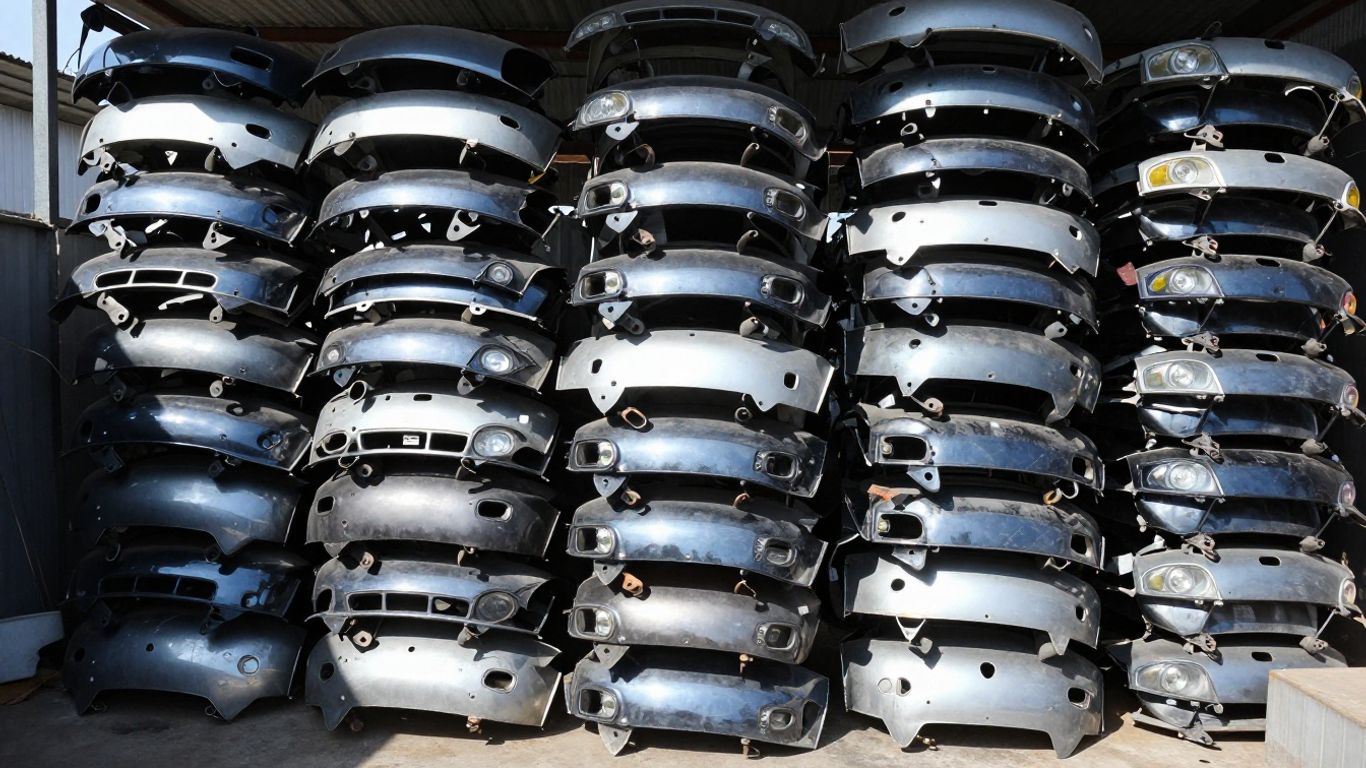
Reputable wreckers specialize in salvaging functioning electrical and structural components that can save significant costs for out-of-warranty repairs. Because these specialists focus on the nuances of specific vehicle architectures, they are often the best resource for hard-to-find sensors or body panels.
Where to find reputable EV wreckers in Sydney and Melbourne
Selecting a provider involves looking for an established history of experience with complex vehicle systems. If you have been searching, you might find that Fairfield Auto Parts provides pre-owned spares across major coastal cities with a track record of reliability and support that eases the burden of sourcing discontinued items.
| Part Category | Typical Availability | Safety Rating |
|---|---|---|
| Body Panels | High | Excellent |
| Exterior Lights | Medium | High |
| Control Modules | Low | Variable |
Inspecting used electrical components for safety
Before installation, always check for visible signs of damage, such as rusted pins or frayed wire insulation, which can cause erratic behavior once re-integrated. Digital diagnostic tools should be used immediately after installation to ensure the unit responds correctly to the main onboard computer. Never ignore a flickering dashboard warning light after changing a used module.
Understanding the risks of salvaged battery parts
Battery modules are highly complex, pressurized, and thermally managed components that carry extreme risks if handled by untrained individuals. Purchasing a salvaged battery carries the inherent danger of chemical instability or hidden internal damage from a previous collision. Generally, it is best to avoid DIY battery work and lean on professional services for high-voltage energy storage issues.
Essential tips for verifying part compatibility
Matching the correct part is rarely as simple as just choosing the year and model because mid-year production changes can introduce different connectors. Precise verification is the only way to avoid the frustration of returning parts that arrive slightly different from your current hardware.
Using your vehicle identification number (VIN) for part matching
Your VIN contains the specific build codes for your vehicle, which is the gold standard for checking compatibility. Reputable suppliers will always ask you to provide this code so they can verify that the order matches your factory specifications exactly. Always keep a digital copy of your VIN in your notes app for quick reference during shopping.
Checking model year and trim differences
A vehicle built early in the year may have different interior trim or sensor placements than one assembled months later. Always check for specific sub-models or performance package indicators that might change the size of brakes or the layout of the suspension. Ignoring trim differences is a common reason for parts failing to mount correctly during a weekend project.
Consulting online forums and community databases
Community forums are effectively real-time databases where owners share their experiences with specific part numbers and installation issues. Searching for your part number within these groups can reveal if other owners in your region have faced specific difficulties. This collective wisdom often helps novices avoid mistakes that are not covered in official product documentation.
Essential considerations for shipping and warranty
Moving large car components across states or borders adds significant complexity and expense to any repair project. Understanding how a seller handles transit damage or component failure can be the difference between a successful repair and a major financial drain.
Importing parts from overseas markets
International shipping often introduces risks related to customs duties, extended timelines, and difficulties with returns if the component arrives DOA. When ordering from abroad, check if the seller includes insurance values that cover the full cost of the replacement item. Factor in potential long-term delays when determining if the international price savings are actually worth the inconvenience.
Handling returns for large or sensitive components
Large items like exterior glass or body panels are notoriously difficult to mail back if they arrive damaged during the shipping process. Before buying, verify that the company has a clear policy for handling shipping damage and confirm their packaging procedures for delicate electronic units. Always document the state of the package before you open it as evidence for any potential claims.
Warranty implications for DIY versus professional installation
Most aftermarket component warranties are voided immediately if the product shows signs of improper handling or incorrect setup. Manufacturers expect you to document the installation process if you ever need to file a claim regarding premature mechanical failure.
Professional shops carry insurance that protects both their work and the components they install, which provides a layer of security that a DIY install lacks. If you choose to do the work yourself, you essentially accept the liability for any resulting failures, which can be significant when dealing with sensitive drivetrain elements.
Conclusion
Securing the right components requires a focused balance of professional verification and cautious selection based on your vehicle’s unique build history. By leaning on reputable local providers and prioritizing compatibility over sheer pricing, you ensure that your investment in your car protects its performance and safety for years to come.
Frequently Asked Questions
What should I check first when buying used parts?
Start by verifying the VIN on the donor vehicle and conducting a thorough visual inspection for physical stress or corrosion on connectors and structural mounting points.
Are there standard symbols to identify part generation?
Manufacturers often use specific revision codes printed on the labels of electronic modules, which are essential to match against your current software version.
Can I paint my own body panels?
While diy painting is possible, getting a perfect color match is difficult due to the specific multi-layer clear coats used in modern factory finishes, so professional booth painting is usually better.
What do I do if a part arrived damaged?
Immediately photograph the external box and the internal component before notifying the seller, as most companies require this proof for insurance-led return claims.
Do I need special tools for most maintenance?
Most routine tasks require standard metric socket sets, but some specialized components require proprietary diagnostic software or specific torque wrenches.
Is it safer to replace sensors in pairs?
For components like brake wear indicators or suspension sensors, replacing them in pairs is recommended to ensure the system remains balanced in its responses.
How often should I check my tire pressure?
Checking tire pressure monthly is ideal for performance and safety, as improper inflation can prematurely wear down suspension parts and decrease overall battery range efficiency.