
Key Takeaways
Finding affordable replacement components for your vehicle involves navigating a mix of professional recycling services, niche online marketplaces, and community-driven networks. By understanding where to source quality items, owners can significantly lower repair costs without compromising on vehicle integrity.
- Prioritize certified salvage yards that adhere to industry safety and testing standards.
- Leverage online auction sites with robust buyer protections to minimize financial risk.
- Evaluate the reputation of aftermarket manufacturers before committing to third-party components.
- Engage with local Tesla owner groups to find private sales and avoid high shipping fees on bulky items.
- Always verify part compatibility and safety specifications against your vehicle’s specific firmware and trim level.
Buying refurbished and salvaged parts
Transitioning to salvaged components provides a unique pathway for owners searching for budget-friendly repairs. Navigating this sector effectively requires identifying sellers who handle high-voltage systems responsibly, ensuring that the parts you receive are functional and ready for installation.
Finding reputable salvage yards for EVs
When seeking parts, you should look for professional outfits that maintain industry certifications. Facilities such as Donut Auto Parts are distinguished by their commitment to rigorous testing and standardized storage of sensitive electronic components. Working with recognized recyclers helps ensure that components are pulled and handled according to strict safety protocols.
Inspecting used components for safety and quality
Before finalizing a purchase, thorough inspection is essential to ensure the longevity of your repair. Focus heavily on these physical and operational indicators to determine if the part is worth the investment:
- Check housing units for cracks, exposure, or evidence of previous thermal stress.
- Examine electrical connectors for pin corrosion, bent terminals, or charred wire insulation.
- Review structural points for signs of metal fatigue that might compromise load-bearing capacities.
- Look for original branding or stamped part numbers that match the factory specifications.
These checks help minimize the likelihood of receiving an underperforming component. When you perform these inspections upon receipt, you avoid the complications associated with installing damaged hardware in your electric vehicle.
Understanding Tesla’s restrictions on salvaged vehicle charging
It is important to recognize that Tesla implements specific software-level restrictions on vehicles designated as salvaged. These limitations often affect the vehicle’s ability to utilize official fast-charging networks, which can significantly alter the utility of a project car. Before investing heavily in a high-mileage donor vehicle, investigate how these digital barriers might impact your specific repair goals.
Sourcing parts from donor vehicles
Sourcing from a donor car allows you to keep costs lower while ensuring that all integrated sensors and modules originate from the same production batch. This approach often resolves the common challenge of finding matching firmware versions across different hardware modules, as parts from a single vehicle are naturally synchronized.
Utilizing online marketplaces and auction sites
Digital marketplaces function as a central hub for individual sellers and professional shops alike. While these platforms offer competitive pricing, the diversity of listings means that owners must exercise caution to ensure they receive legitimate parts compatible with their specific vehicle configurations.

Navigating eBay for specific Tesla components
Platform-wide search features allow you to filter by location or seller rating, which is helpful when analyzing where to find cheap tesla parts. By targeting top-rated merchants, you increase the likelihood of receiving an accurately described item. Many sellers on these platforms provide high-resolution images that are vital for assessing the item’s condition before the auction concludes.
Filtering results to avoid common scams
Scrutinizing a seller’s history is the most effective way to avoid fraudulent listings. Look specifically for consistent, long-term positive feedback rather than just a total volume of sales. If a listing provides vague or stock-only images, contact the seller directly to request photos that show the current state of the actual inventory item.
Tips for negotiating prices with individual sellers
When dealing with independent sellers, approach the conversation with factual data about the market value of the needed part. Expressing interest in multiple items can sometimes create leverage for a bundled discount. Maintaining a polite tone while asking clear, technical questions about a listing often encourages sellers to offer better rates or include free shipping in the final agreement.
Verifying part compatibility with your specific model and trim
Confirming that a part fits your exact model is critical before completing a purchase. Cross-referencing the part number from official catalogs ensures that you do not face issues during physical installation, which is a crucial step for successful repairs on any model. Utilizing specialized resources like EVolution Parts helps bridge the gap between aftermarket uncertainty and genuine factory requirements.
Exploring specialized aftermarket Tesla parts suppliers
Aftermarket suppliers have grown in sophistication, offering solutions that cater specifically to Tesla owners looking for performance modifications or cost-effective replacements. Selecting the right supplier involves balancing the longevity of the component with its intended function within your vehicle’s ecosystem.
Distinguishing between OEM and aftermarket alternatives
Understanding the subtle differences between factory components and those produced by secondary manufacturers is a core skill for the thrifty owner. While factory parts guarantee seamless integration, high-quality aftermarket alternatives can provide similar functionality at a fraction of the cost. The table below outlines how these two categories typically differ in typical owner scenarios.
| Feature | OEM Components | Aftermarket Components |
|---|---|---|
| Fitment | Factory Guaranteed | Varies by Brand |
| Pricing | Higher | Economical |
| Availability | Dealerships | Specialized Websites |
Selecting between these options should be based on the specific criticality of the component, especially regarding safety systems or high-voltage lines.
Benefits of buying from Tesla-specific e-commerce stores
Businesses like EVANNEX focus exclusively on the needs of this owner community, curating an inventory that is highly relevant to common maintenance and modification projects. These specialists tend to offer better technical support for their products, as they understand the specific installation constraints found in these electric vehicles.
Evaluating the warranty policies of third-party sellers
Always review the warranty terms provided by any third-party supplier before placing an order. A provider that offers a clear, written guarantee on their products signals confidence in their manufacturing processes. Understanding the return process is just as important as the price, as it establishes what recourse you have if a component fails prematurely.
Identifying high-quality aftermarket manufacturers
Focus on brands that demonstrate a history of reliability within enthusiast circles. Quality manufacturers often provide detailed specs rather than just generic dimensions, a difference that becomes obvious when you are attempting to install complex accessories. Engaging with suppliers like Tesery allows you to procure parts that have been refined based on continuous community feedback.
Connecting with Tesla owner forums and community groups
Community forums are often the best places to find rare parts at fair prices. Private sellers involved in active communities tend to be more transparent about the history of their components, and they are usually willing to provide additional documentation that larger commercial entities might skip.
Joining Facebook groups and Reddit threads for private sales
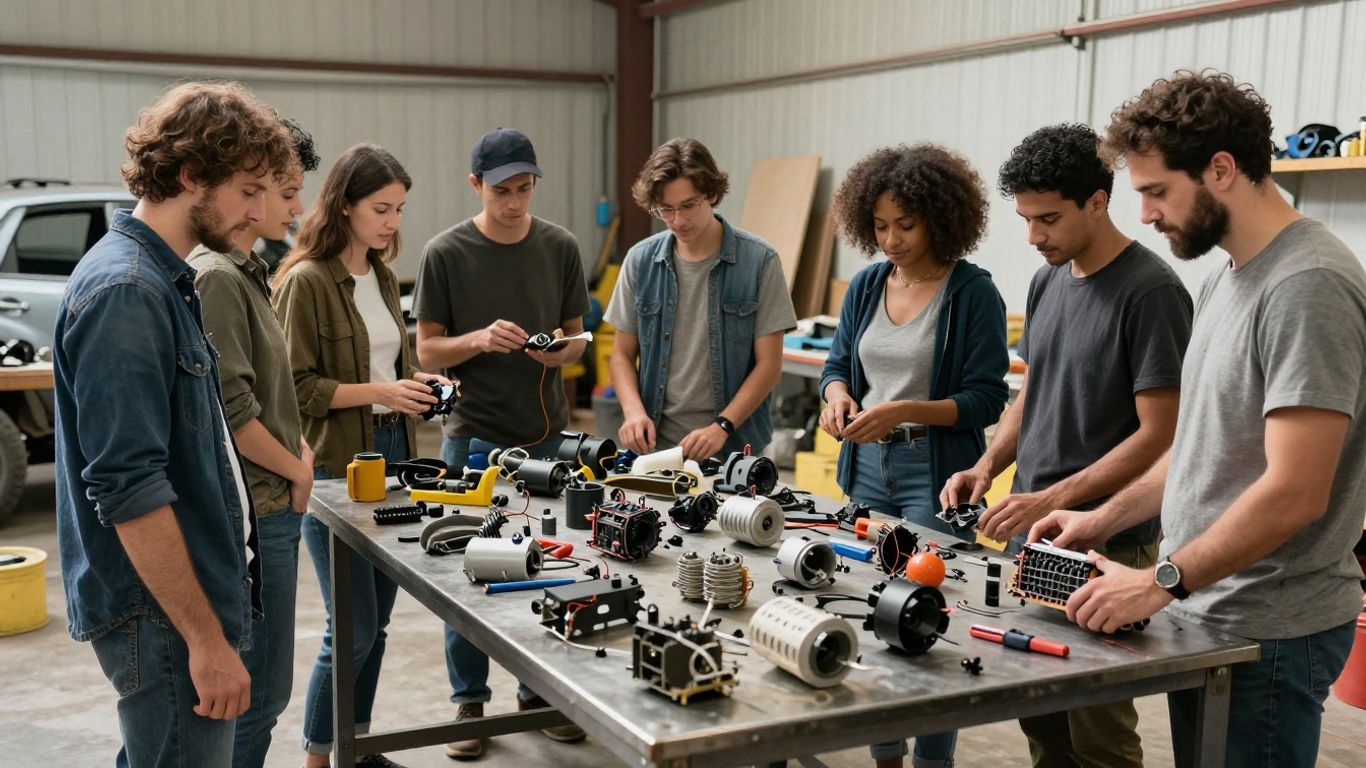
Dedicated threads allow you to post "wanted to buy" requests, which can immediately reach members who might have spare parts sitting in their garages. These groups act as a self-regulating market, where reputation is a valuable currency. You can often find members ready to part out older project cars, providing access to components that are no longer supported by manufacturers.
Finding members stripping parts from project cars
When a member decides to convert a car into a racing project or recycle it after a collision, the remaining cabin and electrical parts are often sold off cheaply. This provides a direct path to getting OEM-grade items removed from a running vehicle, ensuring that the sensor or module you purchase was functioning right up to the point of removal.
Building trust within the owner community
Be an active member of the community, not just a customer. By documenting your own projects or sharing your experiences with various parts, you build the kind of profile that makes other owners more comfortable selling personal items to you. Transparency about your own knowledge level and goals often leads to helpful advice from senior members who know the vehicles inside and out.
Weighing local pickup options versus shipping high-weight items
Trading in person is often superior because you can inspect the item immediately. This is particularly relevant for heavy items like brake assemblies or suspension components, where shipping costs could easily exceed the value of the part. If you do use shipping, ensure that the seller understands how to properly pack fragile sensor housings to prevent damage during transit.
Comparing prices through auto parts recyclers and databases
Centralized databases make it significantly easier to scan the entire country for part availability. By entering specific part numbers associated with your trim level, you can filter through hundreds of locations to find the most cost-effective deal available nationwide.
Using national auto parts search engines
Utilizing online databases helps you understand the true market value of the item you require. By searching across multiple recycling centers at once, you avoid the trap of paying premium local prices for a part that might be gathering dust in a warehouse several states away. This aggregate approach is the most efficient way to manage a wide-ranging project.
Checking regional availability for lower shipping costs
Shipping rates often depend heavily on the distance and weight classification, so prioritizing regional suppliers can save significant amounts of money. Search for recyclers within your wider geographic area to see if you can bypass third-party shipping fees through local pickup or reduced-rate regional freight services.
Interpreting part numbers to ensure an exact match
Do not rely on the name of the part alone. Access the technical catalog corresponding to your vehicle’s build date to confirm the precise part number. Even within the same model year, minor revisions result in parts that are incompatible with older software versions, making exact part number verification mandatory.
Assessing the condition of parts via detailed photos
Request specific angles that capture the wear-and-tear points such as mounting tabs or connector housings. If a database listing lacks clear visuals, reach out to the customer service department. Reputable recyclers are generally willing to provide additional media to encourage a sale.
Important safety and compatibility considerations
Safety must always supersede cost when performing DIY work. Electric vehicles contain delicate, high-energy systems that require specific tools and knowledge to handle safely. Knowing your own limitations is the most important part of ensuring that your efforts do not lead to dangerous outcomes.
Risks of installing damaged high-voltage components
High-voltage cables and battery modules can harbor hidden defects that are not visible to the naked eye. Installing a component that was involved in a crash could lead to short circuits or thermal events that threaten the entire vehicle. Always prioritize components that have been verified through high-voltage diagnostic testing.
Ensuring compatibility across various Tesla firmware versions
Software integration is a modern hurdle in automotive repair. Certain electronic modules require handshake protocols to communicate with your vehicle’s central computer, and missing these can result in a range of error codes. Research whether your replacement component requires a firmware re-sync before you initiate the installation process.
Deciding when to choose certified Tesla-refurbished parts
When a component is safety-critical—such as brakes or steering actuators—investing in a certified refurbished item is often the smarter choice over a completely unverified salvage part. This middle-ground allows you to guarantee a level of quality and safety compliance without paying the full price for a brand-new factory unit from the Tesla Parts Store.
Liability concerns with DIY repairs on Tesla vehicles
Working on your vehicle is a rewarding hobby, but you should remain aware of how DIY actions affect warranties and future resale values. Keep a thorough record of all work performed and parts installed, as this helps maintain documentation that will be useful for professional shops or prospective owners later on.
Conclusion
Securing affordable parts requires a combination of patience, diligence, and research. By matching the appropriate part source—whether a professional recycler, an online database, or your local enthusiast network—you can maintain your vehicle while managing your budget effectively, all while keeping safety as the top priority during every step of the process.
Frequently Asked Questions
Can I use parts from any Tesla model for my repair?
No, parts are generally specific to the series and build date, and swapping components between different models often leads to incompatibility issues or severe software errors.
Are salvaged parts safe for use in my electric vehicle?
Salvaged parts can be safe if they are inspected, tested, and certified by professional recycling facilities that understand electrical safety and the technical nuances of the brand.
Why does firmware versioning matter when buying used parts?
Modern vehicles rely on electronic control units that communicate through specific protocols, and mismatched firmware versions can prevent a new part from properly interacting with your car’s existing computing system.
Should I prioritize price or seller reputation when buying online?
Experience shows that seller reputation should always come first; paying slightly more for a reputable merchant provides peace of mind and protection against the high costs associated with receiving non-functional items.
Is local pickup always cheaper than shipping for large parts?
While local pickup eliminates shipping fees, you should compare the total cost—including your time, fuel, and potential specialized transport equipment—against the quote provided by a professional freight company.
What should I check for on high-voltage components before installation?
Prioritize checking for signs of physical impact, thermal damage to cables, and evidence of water intrusion, as any damage to high-voltage lines could pose a risk to the vehicle’s safe operation.
Where can I find the official part number for my vehicle?
Most owners access the manufacturer’s official online catalog using their vehicle’s unique identification number to pull up the exact structural diagrams and corresponding part references for their configuration.