

Key Takeaways
Maintaining the performance of your vehicle requires an understanding of its complex underpinnings. This guide explores how to identify, replace, and upgrade various components to ensure a safe and smooth driving experience.
- Regular inspection of bushings and control arms prevents secondary damage.
- Air suspension systems require specific diagnostics compared to traditional coil springs.
- Unusual noises during cornering often indicate early suspension wear.
- Choosing between OEM and performance parts depends on your specific handling goals.
- Professional alignment after any suspension work is essential for tire longevity.
Understanding the Tesla Model X suspension system
The architecture of the vehicle platform is designed to manage significant mass while maintaining the characteristic responsiveness expected from an electric car. Engineers have balanced heavy loads with sophisticated geometry to ensure that power delivery doesn’t compromise ride quality. Understanding this design is the first step toward effective maintenance for any owner looking to keep their transport running as refined as possible.
Air suspension vs. coil spring components
Most units on the road utilize an advanced air-based system that allows for adjustable ride heights and self-leveling capabilities. These systems rely on compressors and air bags rather than traditional steel springs to absorb road imperfections, offering a distinctively plush feel. While it provides comfort, some owners look to premium suspension parts to further dial in the dynamics to their liking.
Identifying common wear points in the Model X platform
High-mileage vehicles inevitably face stress on specific connection points where steel meets rubber. The heavy curb weight puts significant strain on bushings, making them a recurring focal point for scheduled service and inspections. It is vital to monitor connections throughout the lifecycle of your chassis.
How weight and center of gravity impact suspension life
Because the battery pack is floor-mounted, the vehicle remains low to the ground, yet its total mass exerts a consistent force on the joints. This weight distribution means that every turn places heavy loads on the front-end linkages, which accelerates the deterioration of factory-fitted joints compared to lighter passenger cars.
Identifying symptoms of worn suspension parts
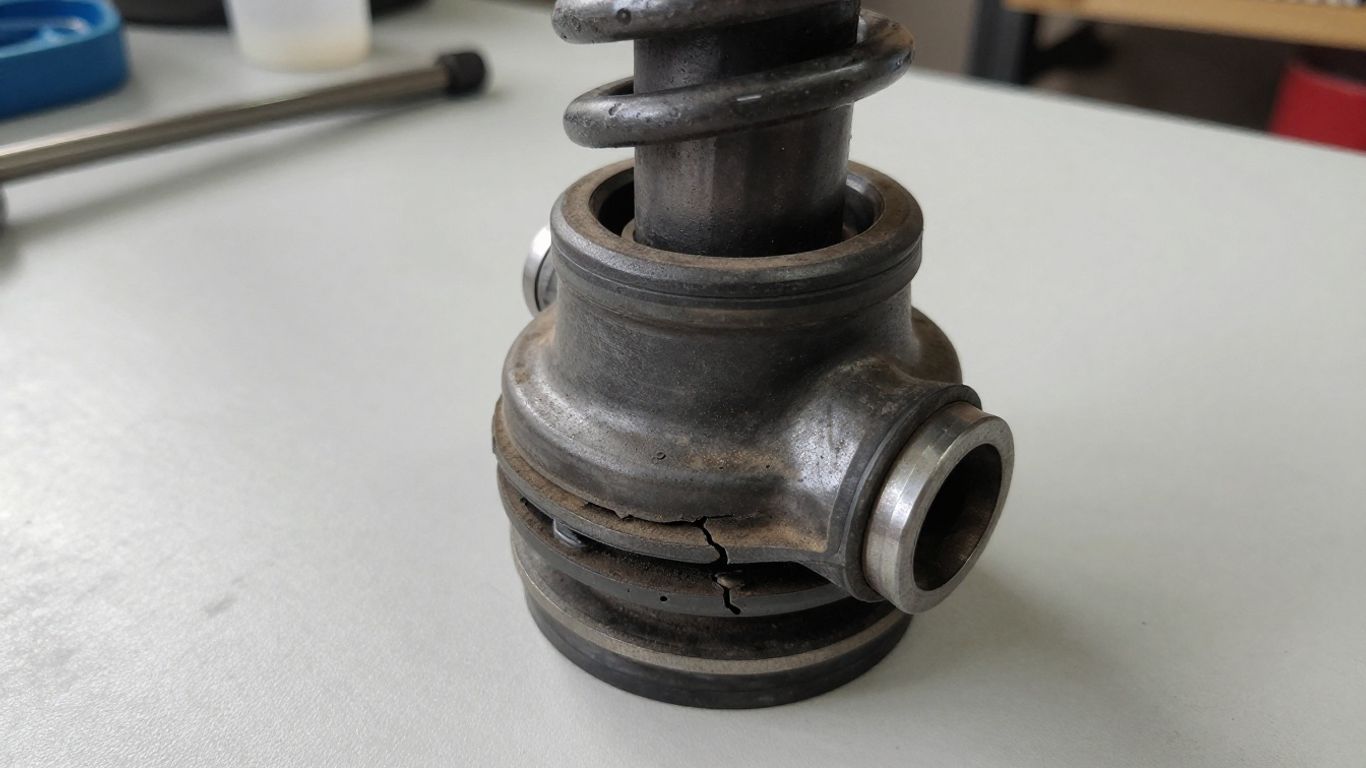
Pinpointing failure starts with subtle changes in feedback from the steering wheel or the cabin during routine driving. When parts begin to reach their limits, the vehicle will often signal through auditory or tactile cues that something is no longer tight. Catching these early helps avoid more expensive follow-up repairs that occur when structural components fail entirely.
Addressing premature tire wear and alignment issues
When caster or camber settings drift due to worn components, tires will show uneven patterns on the inner or outer edges. This usually signifies that the geometry is holding steady at the stationary position but shifting under load. You might seek a comprehensive resource to understand how maintenance costs and site-related diagnostics impact your budget for long-term ownership.
Recognizing clunking or knocking noises during turns
Sounds like metallic clicks or thuds when steering through a roundabout suggest that a ball joint or sway bar link has developed excessive play. This is often an early warning sign that the secure mechanical connection has loosened and needs immediate attention to restore safe operation.
Detecting changes in ride quality and vehicle height leveling
If the car seems to list to one side after parking or feels unusually wallowy over speed bumps, the air suspension module or height sensors may be compromised. Owners might explore advanced air suspension kits if they find that the standard system no longer meets their expectations for ride quality or height customization.
Essential replacement parts for high-mileage Model X vehicles
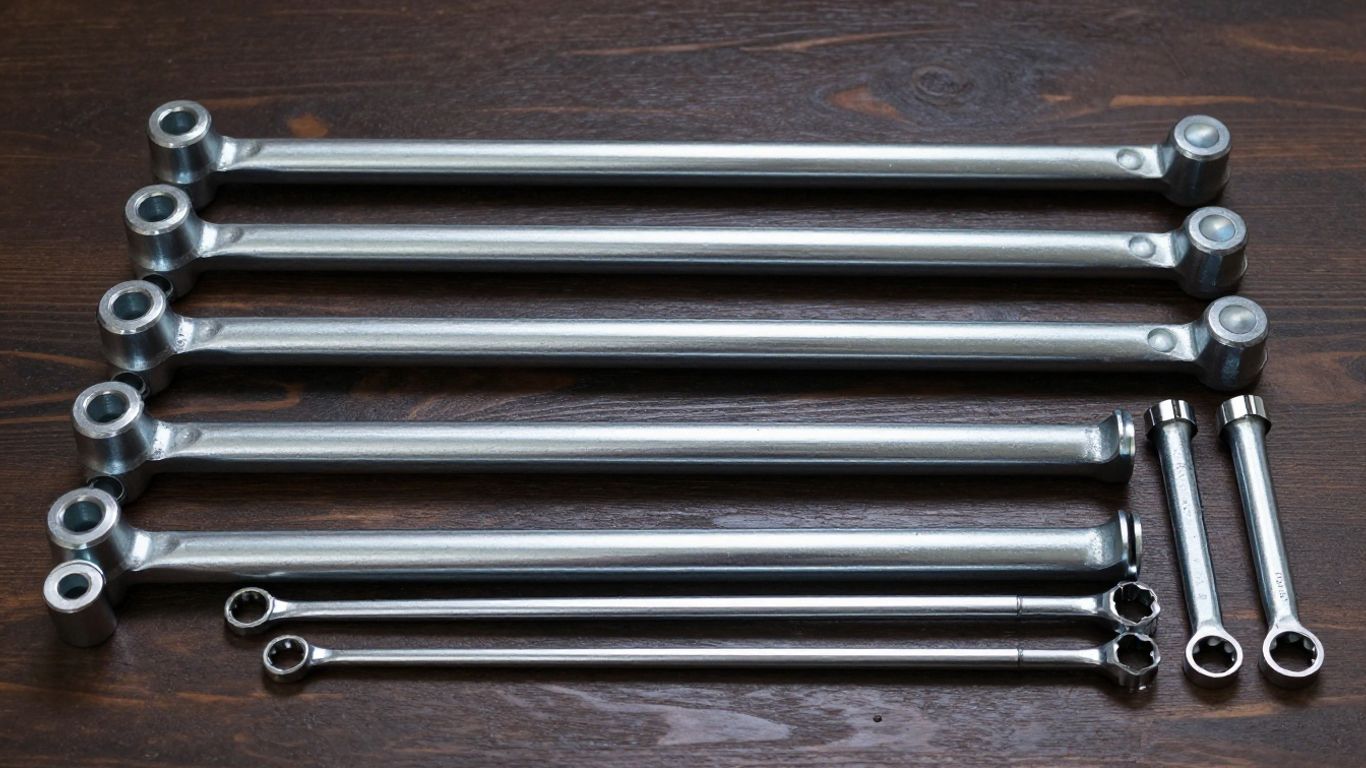
As the odometer climbs into the higher ranges, certain parts become inevitabilities for renewal. Replacing these items before they seize ensures that your vehicle retains the precise handling characteristics it had when new. Keeping a strict schedule for these critical mechanical elements is part of an automated provisioning strategy for your fleet lifecycle.
Importance of replacing front control arms
The front control arms serve as the primary link between the chassis and the tires. Because these components endure immense forces during acceleration and braking, they frequently experience bush fatigue. Many owners opt for High-Performance Suspension Package kits when it comes time for these replacements, as they often include reinforced arms designed for greater durability.
Managing sway bar link failure and structural stability
Sway bar links connect the bars to the suspension control arms, meaning they articulate every time you encounter an uneven road surface. When these links wear out, you will notice increased body roll during cornering or a wandering feeling on the highway. We have summarized the typical failure frequencies for these parts in the table below:
| Component | Typical Mileage Threshold | Symptoms of Failure |
|---|---|---|
| Control arms | 60,000 – 80,000 | Steering vibration |
| Sway bar links | 50,000 – 70,000 | Knocking noises |
| Bushings | 75,000 – 90,000 | Excessive cabin noise |
These patterns provide a baseline for owners who want to stay ahead of mechanical issues through proactive component replacement.
Inspecting bushings and ball joints for long-term viability
- Check for physical cracking in rubber bushings at each corner.
- Use a pry bar to check for hidden play in ball joints.
- Listen for squeaks when the suspension travel is compressed.
- Ensure no leaking lubricant is visible around rubber boots.
Regularly performing these checks allows you to swap components before they impact the safety of your ride.
Choosing between OEM and aftermarket suspension components
Deciding between factory-designed parts and third-party upgrades depends on whether you value standard ride comfort or enhanced driver-focused handling. While original parts are guaranteed to be compatible, aftermarket options often provide better material science for the same or lower price point. Owners dealing with legal defense for OUI charges or similar administrative burdens often prefer the cost-predictability of standard OEM replacements.
Evaluating performance benefits of aftermarket upgrade kits
Performance kits are specifically engineered to tighten the vehicle’s response time and decrease body roll. These systems allow for adjustments that aren’t possible with standard hardware, such as tuning specific damping rates. For those in a unified hybrid billing system environment, tracking the performance ROI of these upgrades becomes part of standard operational management.
Compatibility requirements for Tesla service center repairs
It is wise to remember that some service locations may have limitations regarding the installation or warranty support for non-standard components. Always confirm whether an aftermarket part will interfere with existing software-controlled ride settings before finalizing your purchase.
Balancing ride comfort against handling precision
The goal of any suspension modification should be to balance daily drivability with the desired level of road feel. Too much stiffness may feel sporty on flat roads but can become exhausting on long commutes over less-than-perfect surfaces.
Choosing a balance that suits your daily route is just as important as the physical component itself.
Best practices for installing and maintaining suspension parts
Properly managing this repair process involves more than just having the right wrench. The complexity of electric vehicle systems requires a level of attention to detail that standard combustion car maintenance often ignores. For those working within a premier startup hub or any specialized garage, the environment should remain clean and professional to prevent contamination of sensitive parts.
Required tools for DIY suspension work on electric vehicles
You will need a high-quality torque wrench and the 3101 Front Suspension details to ensure every bolt is tightened to factory settings. Having a hydraulic press can make bushing extraction significantly easier than manual techniques, especially when dealing with aluminum control arms that deform easily under heat.
Safety considerations for work near the high-voltage battery
Working near the battery pack requires caution, even if you are not touching high-voltage cables. Ensure the vehicle is in jack mode or at full service height before starting to prevent the air compressor from activating unexpectedly and potentially injuring you or damaging the suspension sensors.
Importance of post-replacement professional alignment
After replacing any major hardware, the geometry of your car will have shifted from the manufacturer’s suggested settings. Skipping a professional alignment will inevitably lead to uneven tire wear and erratic handling, negating the gains you just achieved. Professional technicians can ensure that your ride is properly tracked and balanced for long-term reliability.
Conclusion
Keeping your vehicle in top condition requires vigilance, specifically regarding the wear items that support its heavy battery density and unique design. By monitoring for common symbols of fatigue and performing timely upgrades with high-quality components, you ensure that your investment retains its character and safety for years of future driving.
Frequently Asked Questions
How long should standard suspension parts last on a Model X?
Most owners report that factory components begin to show signs of wear between 50,000 and 80,000 miles depending on local road conditions.
Can I drive safely on a squeaking control arm?
A squeaking component indicates that the internal lubricant has failed or rubber has torn, which can lead to rapid failure and steering loss on the road.
What are the main benefits of aftermarket suspension upgrades?
Upgraded kits typically offer better control, reduced body roll in corners, and improved adjustability compared to the mass-produced factory hardware.
Is a professional wheel alignment necessary for every suspension repair?
Because replacing links and control arms alters the physical position of the wheels, a professional alignment is required to ensure the car tracks correctly.
Does the car need to be in a special mode for suspension work?
Yes, most owners use the jack mode available in the infotainment menu to prevent the air-leveling system from trying to compensate while the car is supported by a lift.
Can I install suspension components myself without specific training?
While skilled hobbyists can perform these tasks, the complexity of the alignment and the high-voltage considerations make it a project that requires careful study.
How does the car’s weight affect suspension wear?
The significant curb weight of the battery pack increases the constant load on bushings and rods, causing them to degrade faster than in lighter combustion vehicles.