
Key Takeaways
Maintaining your vehicle’s stopping power is essential for safety, especially with the unique braking demands of electric motor systems. This guide simplifies the process of finding the right parts for your vehicle.
- Confirm your exact model and trim before purchasing any components.
- Understand the differences between factory parts and third-party performance upgrades.
- Verify that new brake pads are fully compatible with your car’s regenerative settings.
- Always prioritize parts with verified industry quality certifications.
- Arrange for professional installation to ensure your safety and warranty validity.
Understanding Tesla brake system requirements
Electric vehicles process kinetic energy differently than traditional combustion cars, which fundamentally changes how their braking hardware operates. You need to consider these mechanical nuances to ensure your replacement parts perform as intended during daily commutes or spirited driving. When you look to buy Tesla brake pads online, starting with the right technical specifications is your first line of defense against compatibility issues.
Identifying your specific Tesla model and trim
Before you start shopping, you must cross-reference your VIN with the specific part lists for your vehicle generation. Different trims carry distinct caliper sizes and rotor dimensions that are not interchangeable across all years of production. Whether you drive a base model or a high-performance edition, knowing your specific hardware configuration is a non-negotiable first step.
Distinguishing between OEM and aftermarket options
Factory-provided hardware offers a baseline of consistency suited for standard driving patterns, ensuring the vehicle operates as intended from the factory floor. However, opting for high-performance brakes from aftermarket specialists can offer greater longevity or improved thermal resistance under load. It remains your choice whether you prefer the original consistency or customized performance profiles for your specific driving environment.
Checking compatibility with regenerative braking systems
Since your motor system handles a significant portion of deceleration, the physical pads often spend long periods without high-heat usage. This causes oxidation if the wrong material composition is selected for your specific usage patterns. The following table illustrates common material responses to electric vehicles:
| Brake Compound | Performance Profile | Ideal Usage | Wear Rate |
|---|---|---|---|
| Ceramic | Low dust/Quiet | Daily commuting | Moderate |
| Semi-Metallic | High Bite | Performance/Track | Rapid |
| Organic | Soft/Comfortable | City driving | Fast |
Selecting the right compound ensures that your Tesla braking system effectively handles emergency stops without excessive noise or premature sediment buildup on your wheels.
Where to buy Tesla brake pads online
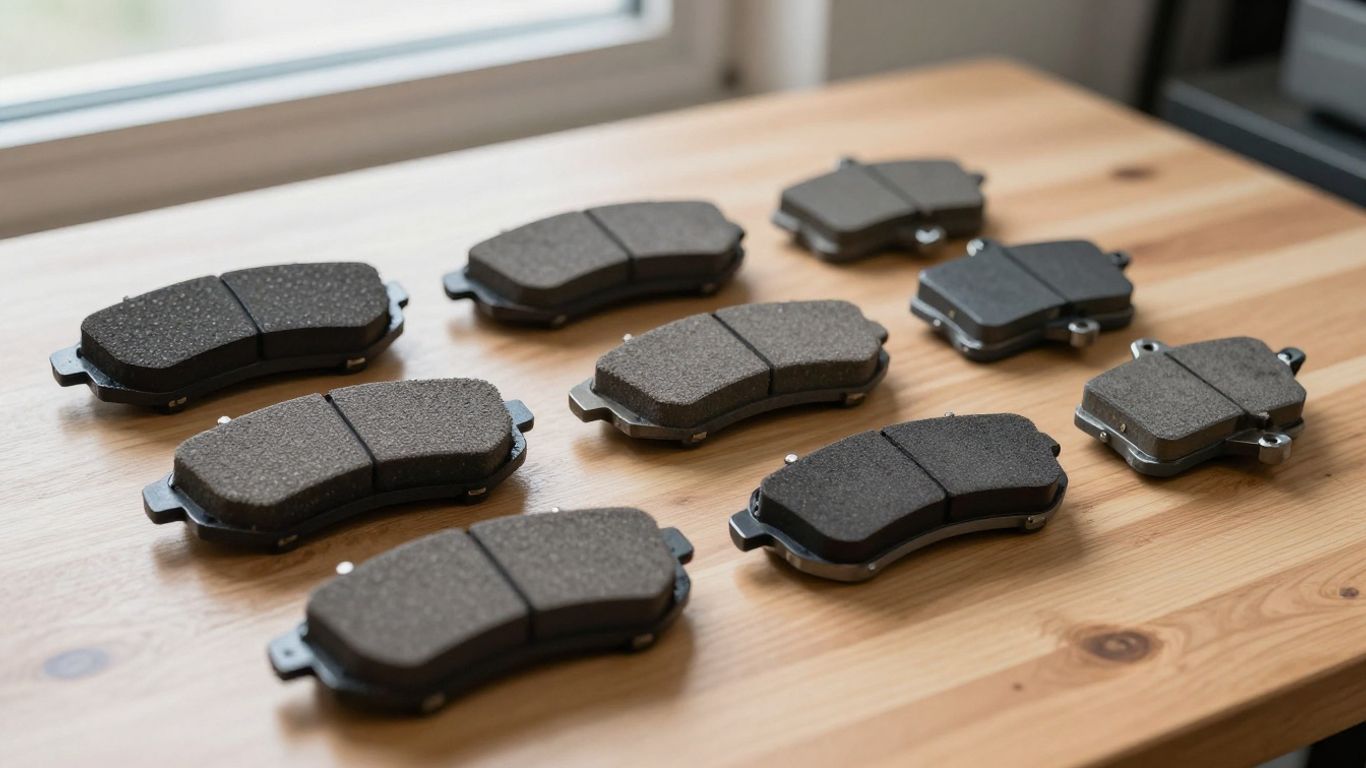
Finding the right source for your vehicle components can feel like navigating a maze, similar to researching the latest trends in online video advertising to find effective marketing solutions. You want a vendor with clear communication and documented inventory. Stick to established platforms that provide detailed part numbers and fitment guarantees to avoid the headache of a wrong-part return.
Authorized Tesla service centers and parts shops
Going through official channels is the most straightforward way to guarantee that your parts meet the manufacturer’s exact design specifications. These shops often maintain an updated catalog that reflects the latest hardware revisions for your car. Buying directly from these sources eliminates guesswork and helps you maintain your braking performance with original equipment.
Reputable third-party EV performance retailers
Specialized retailers often provide detailed technical support that larger, general marketplaces cannot offer. They often focus exclusively on the specific mechanical needs of battery-powered vehicles, making it easier to find components that handle the specific heat cycles of your car. Choosing a retailer that understands this niche allows you to make informed decisions about your vehicle’s health.
Always verify that your chosen retailer provides a clear cross-reference to original manufacturer part numbers before finalizing your purchase, as this confirms the part matches the engineering intent of your vehicle’s original braking design.
Large automotive e-commerce marketplaces
Massive online retailers offer an expansive selection of parts at varying price points, but they require extra diligence regarding third-party seller reputation. While the convenience is undeniable, similar to securing a taxi booking for a pre-planned airport run, reading through granular feedback is essential. Look for high transaction volumes and consistent delivery performance to ensure the parts arrive safely and on time.
Evaluating brake pad materials and performance
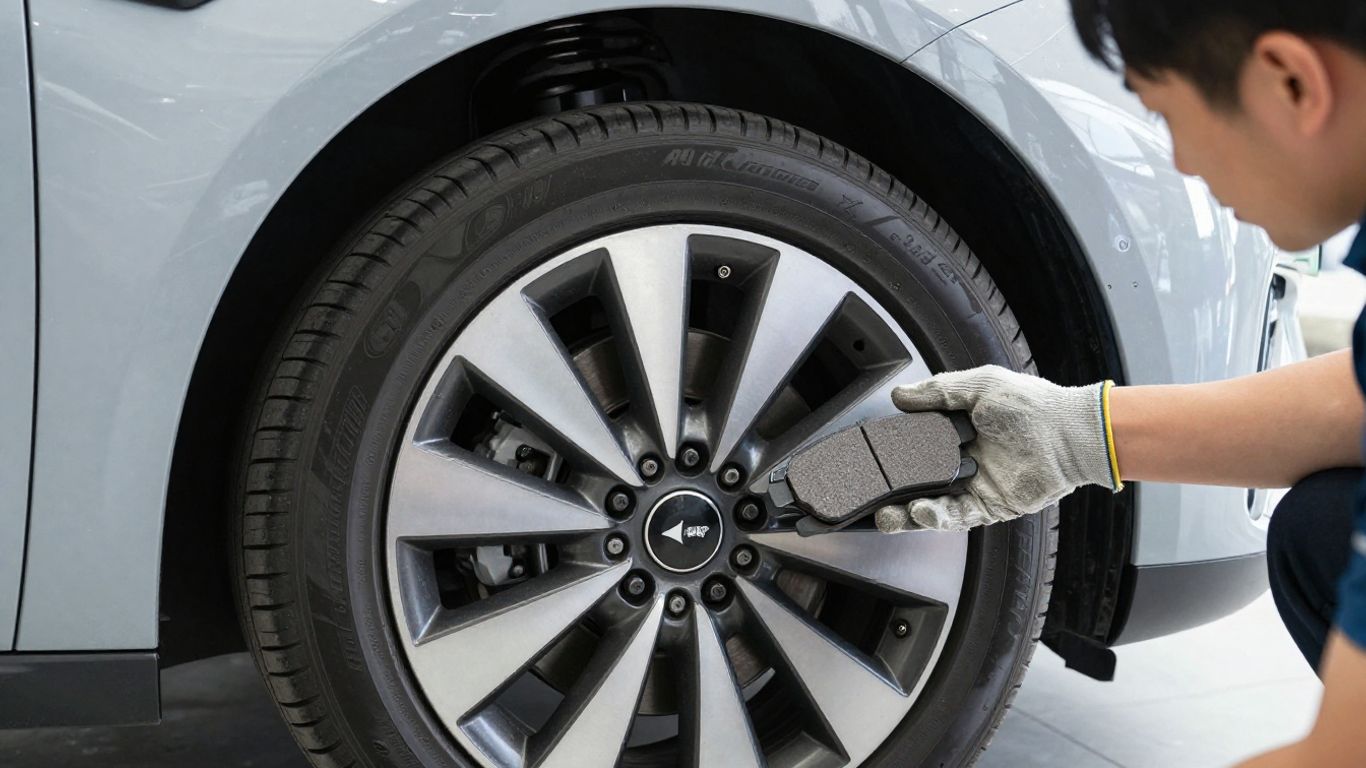
Choosing a material isn’t just about stopping power; it is about managing how your vehicle handles the long-term demands of daily driving. Because you will not be engaging the friction brakes as often as a traditional driver, you need materials that resist corrosion while remaining ready for quick use. The decision comes down to your personal balance of cleanliness, noise, and pedal feel.
Ceramic versus semi-metallic brake compounds
Ceramic pads are highly regarded for electric vehicles because they generate less dust and remain consistently quiet during stop-and-go traffic. Semi-metallic options, conversely, provide a firmer, more aggressive bite that is better suited for high-speed conditions but at the cost of more noise and debris. You must choose according to your specific environment and how you prioritize comfort versus tactile feedback.
Selecting pads for daily driving versus track performance
If your vehicle spends most of its time in city traffic, go for a compound that focuses on quiet operation and longevity. If you find yourself pushing the limits on curvy roads or tracks, you will need a material designed to resist heat fade during sustained deceleration. For most owners, a well-rounded street compound is the best fit, ensuring that your Tesla maintains reliable safety in all weather conditions.
Noise and dust considerations for electric vehicles
Electric motors provide a very quiet cabin, which makes even minor brake squeaks more noticeable than in internal combustion vehicles. Proper fitment and high-end materials can mitigate this, ensuring your quiet drive remains peaceful. Consider the following key habits to maintain your efficiency:
- Periodically exercise your friction brakes during highway drives to clear away surface oxidation.
- Keep your wheels clean to prevent brake dust from etching into the finish over time.
- Regularly monitor the wear indicators included with higher-end aftermarket sets.
- Avoid harsh stops whenever possible to maximize the lifespan of your chosen compound.
Proactive care for these components keeps your maintenance schedule predictable and your driving experience free from unexpected noises.
Verifying part quality and manufacturer reputation
Not every aftermarket brand provides the same standard of engineering, so performing your own due diligence is critical for your peace of mind. Look for companies that provide clear documentation about their quality control processes and material testing standards. When you are looking to save money, it may be tempting to buy from unknown sources, but your brakes are not the area where you should cut corners.
Checking for industry standard certifications
Verified manufacturing standards indicate that the parts have undergone rigorous testing to ensure they won’t fail under pressure. When looking at a product description, search for references to safety ratings or ISO quality standard compliance. These small indicators often distinguish between a generic product and a well-engineered component built for long-term safety.
Reading verified customer reviews and forum feedback
Community forums often provide the most honest assessment of how a part acts after several thousand miles of actual use. Look for threads where users discuss pedal feel, noise levels, and overall longevity rather than just initial purchase experiences. This human insight is invaluable, much like finding a credible SEM agency where real results matter more than marketing claims.
Assessing manufacturer warranty and support policies
A robust warranty is typically a sign that the brand stands firmly behind the durability of their materials. Before you click buy, review the support policy to understand what constitutes a valid claim if the pads exhibit premature wear or noise issues. Knowing you have recourse if something goes wrong is just as important as the quality of the part itself.
Shipping, returns, and installation logistics
Buying online means you are responsible for the logistical chain of your repair, from delivery to the shop bay. Factor in the total cost, including shipping and the potential time required for returns, to avoid unnecessary stress later on. While the convenience of ordering parts for home delivery is high, ensure you have a plan for professional installation immediately upon arrival.
Factoring in shipping costs and delivery timelines
Heavy brake components can be surprisingly expensive to move, so check for free shipping thresholds or local fulfillment options. If you are waiting on your only vehicle, time is money, so prioritize sellers that explicitly state their processing times. You don’t want your new parts sitting in a distribution center while your vehicle remains off the road.
Reviewing return policies for specific automotive components
Some sellers limit returns on friction products once the packaging is opened or the part is installed, even partially. Carefully examine the terms to ensure you are not locked into a purchase if you receive the incorrect size or notice a defect upon unboxing. A flexible return policy is a hallmark of a vendor that values consumer confidence.
Ensuring access to professional installation services
Even if you are handy with basic tools, brakes are a critical safety system that often benefits from a professional service technician’s touch. Review the replacement procedure ahead of time so you can discuss the scope of work with your chosen shop confidently. This helps you avoid any misunderstandings and ensures that your chosen parts are installed correctly, safely, and within the timeframes you expect.
Conclusion
Replacing your brake components online is a completely manageable task if you remain organized and prioritize parts that meet your vehicle’s specific engineering needs. By researching your model accurately, vetting your sellers, and partnering with qualified installers, you can maintain your car’s safety and performance with ease. The best result always comes from a cautious approach that balances cost-efficiency with high-quality components, ensuring every stop you make is smooth and reliable.
Frequently Asked Questions
How often should I check my brake pads?
A good rule of thumb is to have your brakes inspected every 10,000 to 15,000 miles or whenever you rotate your tires, as this allows you to see the wear patterns early.
Can I upgrade my brakes myself if I have tools?
If you have experience with automotive maintenance and the right tools, you can perform basic swaps, but ensure you follow all safety protocols and use professional guidance to avoid compromising your braking system.
Are more expensive brake pads always better?
Not necessarily, but price often correlates with higher-grade materials, better quality control, and more comprehensive testing, which can lead to longer service life and quieter operation.
What do I do if I receive the wrong parts?
Contact the vendor immediately using their customer support channels, provide them with your order number and any photos of the incorrect parts, and keep all original packaging for the return process.
Do I need to replace my rotors along with my pads?
It depends on the condition of your rotors; if they are thin, warped, or deeply scored, they should be replaced to ensure the new pads seat correctly and perform as efficiently as possible.
Why does my car sometimes make noise even with new pads?
Sometimes new pads have a break-in period where the material needs to settle against the rotor, or there may be a lack of brake lubricant on the sliding points of the caliper and pad housing.
How does regenerative braking affect how I use my pads?
Because the electric motor performs much of the braking, your friction pads are used less often, which means they can last much longer but are also more susceptible to surface oxidation from a lack of regular use.