

Key Takeaways
A good Tesla centre console tray should make everyday items easier to reach without sacrificing the storage underneath. Fitment, clearance, materials, and cleaning matter just as much as appearance.
- Confirm the exact vehicle model, year, and console revision before ordering.
- Choose a tray that keeps small essentials visible while preserving lower storage.
- Check that charging areas, hinges, covers, and cables remain accessible.
- Prefer stable, easy-clean materials that will tolerate heat and regular use.
- Test the fit carefully and remove the tray periodically to clean beneath it.
Understand what a Tesla centre console tray does
A centre console tray creates a second storage level inside a deep compartment. Instead of dropping keys, cards, coins, or cables into one dark space, you can keep frequently used items near the top. The best setup feels almost invisible: it reduces rummaging while leaving the larger compartment available for less-used belongings.
Separate everyday essentials from the main compartment
The upper level is most useful for things you reach for during ordinary drives. A wallet, sunglasses, charging cable, parking card, or small adapter can sit above bulkier items without becoming mixed together. This simple division also makes it easier to remove the tray when you need the full depth of the console.
Improve access to phones, cards, and charging cables
A tray can put slim items within sight and reach, but it should not force them into a cramped pocket. Check whether a phone can be lifted out comfortably and whether a cable can pass through without bending sharply. If the console includes a charging area, preserve a clear path to it rather than treating the tray as a sealed insert.
Reduce clutter without limiting storage capacity
Organization works best when it adds a layer instead of replacing the original compartment. Keep the lower area for larger or occasional items and use the tray for small essentials. A clear access path is more valuable than filling every available inch, particularly when the vehicle is moving.
Identify when a tray is more useful than a full organizer
A tray suits drivers who want light organization and quick access but still use the console as a flexible storage bin. A larger organizer may make sense when several passengers share the space or when you need separate sections for many categories. Before choosing a deeper system, consider whether extra dividers will help or simply make cleaning more tedious.
Match the tray to your Tesla model and console design
Fitment is the first serious decision because centre consoles can change between model years and refreshes. A tray that looks correct in a product photo may not suit a different lid, hinge, charging pad, or interior shape. Compare the seller’s stated compatibility with your vehicle details, then check measurements before relying on a visual match.
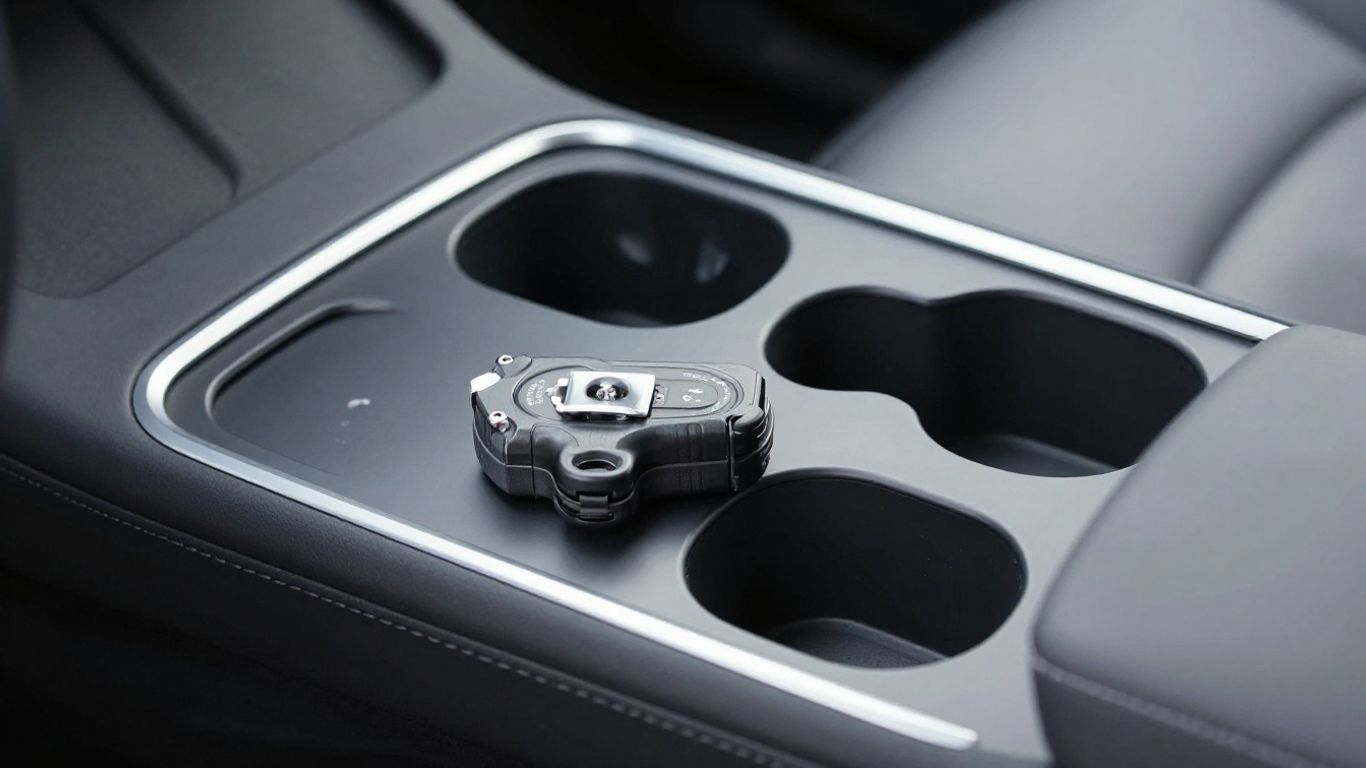
Compare fitment for Model 3 and Model Y
Model 3 and Model Y trays may look similar, but that does not make them interchangeable. Compare the compartment’s length, width, depth, and internal curves, especially if the vehicle has a refreshed console. For a Highland or newer Model Y configuration, use the exact fitment listing rather than assuming an earlier accessory will carry over.
Account for refreshed and redesigned center consoles
A redesigned console may alter the opening, lid movement, charging surface, or internal ledges. Sliding trays can be particularly dependent on those details because they need room to move while remaining supported. The refreshed console accessories overview is a useful example of why accessories should be selected around the current interior design, not only the vehicle badge.
Check compatibility with Model S and Model X
Model S and Model X owners should treat their consoles as a separate fitment category. The lower storage area, trim shape, and refresh year can all affect the result. A dedicated Model S and Model X organizer is a more sensible reference point than adapting a tray made for a different console family.
Verify dimensions before ordering
Write down the usable opening rather than measuring only the outside trim. Also note obstructions such as a raised lip, hinge, cable outlet, or charging surface. The following quick comparison helps identify the measurements that deserve attention before checkout.
| Measurement | Why it matters | What to check |
|---|---|---|
| Opening width | Prevents side pressure and poor seating | Measure the narrowest point |
| Opening length | Confirms front-to-back support | Include curves and end stops |
| Tray height | Protects lid and stored items | Close the lid gently during testing |
| Cable clearance | Keeps charging access usable | Check ports and cable bends |
Use the smallest relevant measurement when comparing a tray with the listing. If the fit is uncertain, ask for a dimension drawing or return information before ordering rather than forcing an almost-correct insert.
Choose the right tray materials and construction
Material affects feel, noise, cleaning, and how confidently the tray stays in place. Soft materials can cushion small items, while rigid materials may provide sharper edges and a more structured appearance. The right choice depends on what you carry and how often the tray will be removed.
Compare silicone, plastic, and aluminum options
Silicone usually feels quiet and forgiving, particularly when keys or coins are dropped into it. Plastic can be light and easy to wipe, with enough rigidity for a stable upper shelf. Aluminum may offer a more substantial finish, but it can transmit more noise and should have suitable protection where it contacts the console.
Look for non-slip surfaces and protective liners
A textured surface or liner can reduce movement during acceleration and braking. It also helps prevent small objects from sliding into corners. Look for edges that are smooth enough not to mark the interior, and avoid assuming that a glossy surface will be stable simply because it looks refined.
Evaluate durability in heat and daily use
A tray sits in a warm, enclosed cabin and may be exposed to repeated temperature changes. Inspect the thickness, joining points, and support surfaces rather than judging quality from colour alone. A removable design makes it easier to replace a worn insert without treating the entire console as a permanent installation.
Consider how the material affects cleaning and noise
Soft liners can quiet loose objects but may hold dust or residue around their edges. Hard surfaces wipe clean quickly, although they can allow items to rattle unless the tray has a fitted lining. Choose the compromise you will actually live with, not just the finish that looks best in an online image.
Prioritize features that improve everyday usability
Useful features should solve a repeated annoyance rather than add visual complexity. Consider what you carry, which items need one-handed access, and whether passengers use the console too. A simple tray with sensible proportions often works better than a crowded insert with compartments that are too narrow to be practical.

Select compartments for coins, cards, and small items
Small sections can stop coins, cards, keys, and adapters from sliding together. They should still be large enough for fingers to retrieve items without scraping against adjacent walls. If you rarely carry coins or several cards, a broad open tray may be more useful than multiple tiny pockets.
Check access to USB ports and charging areas
Before buying, identify where cables enter and where a phone rests. The tray should not cover a port, interfere with a charging pad, or require the cable to cross a sharp edge. A Model 3 Highland organizer tray illustrates the practical question to ask: does the insert keep essentials tidy while leaving the relevant console area usable?
Look for removable sections and adjustable layouts
Removable dividers can help when your storage needs change between commuting and travel. They also make it easier to lift the tray out and clean underneath. Adjustable parts are worthwhile only when they lock securely; loose dividers can become another source of rattling.
Decide whether sliding or lift-out designs are worthwhile
A sliding upper tray can expose the lower compartment without requiring complete removal. That is convenient when both levels are used often, though the moving mechanism needs enough clearance and should not catch on the console walls. For a broader look at sliding storage arrangements, see these center console trays, while remembering that the stated fitment still needs to match your vehicle.
Install a Tesla centre console tray correctly
Most inserts are designed to sit in place rather than require permanent modification. Even so, installation deserves a careful test because a small misalignment can affect a lid, cable, or sliding action. Work slowly, keep the original compartment accessible, and avoid forcing any part against the trim.
Prepare and clean the console compartment
Remove loose items and wipe the base before placing the tray. Dust or grit beneath an insert can create noise and may mark the surface when the tray shifts. Let any cleaner dry fully, since moisture trapped under a close-fitting liner can leave residue.
Position the tray without blocking hinges or cables
Lower the tray into the compartment evenly, then check the rear and side edges. It should sit on its intended supports rather than on a cable, raised trim piece, or hinge path. If a cable must pass through, route it naturally and leave enough slack for regular use.
Test fit, movement, and charging access
Open and close the console gently several times. Move any sliding section through its full travel, place a phone or wallet inside, and confirm that the lid still closes without pressure. A useful installation sequence is:
- Check the tray orientation against the front and rear of the compartment.
- Test the lid and any sliding section with the tray empty.
- Add ordinary items and confirm that nothing catches or shifts excessively.
- Plug in a charging cable and inspect its bend and port access.
The final test should reflect normal driving rather than an empty showroom setup. If the tray works only when nothing is stored in it, the design or fit is not practical enough.
Fix common issues such as rattling or poor alignment
Rattling often comes from trapped grit, a loose divider, or a tray resting unevenly on its supports. Remove it, clean the contact points, and check that no liner has folded underneath. If alignment remains poor, stop using the insert until the dimensions and fitment have been rechecked.
Compare trays by driving needs and interior setup
There is no single ideal layout for every driver. A commuter may want one open surface for a phone and access card, while a family may need several compartments and more depth. Think about the objects that actually live in the console, then compare designs by how naturally they accommodate those objects.
Choose a compact tray for minimalist storage
A shallow, open tray keeps the console visually calm and leaves more lower storage available. It suits drivers who carry only a few essentials and dislike sorting through many pockets. A compact design is also easier to lift out when the compartment needs a quick clean.
Select deeper organization for family or road-trip use
Longer trips often bring extra cables, sunglasses, cards, medication containers, and small travel items. In that setting, deeper sections can prevent objects from merging into one pile. Avoid filling every compartment simply because it exists; reserve room for items that need to be retrieved while parked.
Match the design to the Tesla interior
A tray does not need to attract attention. A restrained colour, smooth edge, and close fit usually sit more comfortably with a minimalist cabin than a bright or heavily textured accessory. Owner discussions, such as this center console storage thread, can reveal practical fit issues, but treat individual experiences as guidance rather than a guarantee.
Balance price, finish, and long-term value
Compare the total usefulness of the tray, not just its purchase price. A lower-cost insert may be sensible if it fits well and cleans easily, while a more elaborate design may justify its cost when its sliding or removable features are used every day. The same habit applies to unrelated purchasing decisions, from a podcast studio in Tampa to a household tool such as a shower hygiene brush: define the actual need before judging the options.
Maintain the tray and protect the console
Even a well-fitted insert needs occasional attention. Dust collects beneath the edges, spills can migrate into seams, and small hard objects may leave marks if they are trapped underneath. A short cleaning routine protects both the tray and the console’s original surfaces.
Remove dust, spills, and residue safely
Lift the tray out before cleaning around it. Use a soft cloth for loose dust and a lightly damp cloth for ordinary residue, following the care guidance for the material. Avoid soaking a lined insert or allowing liquid to run into charging components and cable openings.
Prevent scratches and trapped debris
Do not slide a tray across grit if it can be lifted instead. Empty loose coins and keys regularly, since they can become abrasive when pressed against the console wall. Check the underside after carrying sandy, dusty, or sticky items, particularly after outdoor trips.
Inspect the tray for warping or loose parts
Look for bowed edges, cracked supports, lifted liners, and dividers that no longer hold firmly. Warping may stop the lid from closing or put pressure on nearby trim. Catching those changes early is easier than trying to correct a tray after it has begun rubbing the compartment.
Know when to replace an aging organizer
Replacement makes sense when the tray moves around, blocks access, has sharp damage, or can no longer be cleaned properly. Recheck the current console dimensions before buying its successor, since a vehicle refresh may have changed the relevant fit. Keep the old insert only if it remains safe, stable, and genuinely useful.
Conclusion
The right Tesla centre console tray is a modest accessory that earns its place through fit, access, and everyday ease. Measure the console, preserve charging and lid movement, choose a material suited to your habits, and maintain the insert so it protects rather than burdens the original storage.
Frequently Asked Questions
What does a centre console tray do?
It creates an upper storage level for small, frequently used items while leaving the deeper compartment available for larger belongings.
How do I know whether a tray will fit?
Check the exact model, year, console revision, and published dimensions. Measure the narrowest usable points inside the compartment rather than relying only on exterior trim.
Can a tray block phone charging?
It can if the design covers a charging area, port, or cable route. Test access with the phone and cable you normally use before treating the fit as successful.
Are silicone trays better than rigid trays?
Neither material is universally better. Silicone is often quieter and more forgiving, while rigid materials can provide a firmer structure and simpler wipe-down surface.
Should I choose a sliding tray?
A sliding tray can be useful when you regularly access both storage levels. It is less worthwhile if the mechanism catches, rattles, or adds complexity you will rarely use.
How should I clean a console tray?
Remove it first, clear away loose debris, and wipe it with a soft cloth suited to its material. Keep excess liquid away from charging components and cable openings.
When should I replace a console organizer?
Replace it when it warps, rattles persistently, develops sharp damage, blocks access, or no longer sits securely after cleaning and refitting.