

Key Takeaways
Tesla paint protection film can reduce the visual impact of stone chips, scratches, and everyday road debris while preserving the original finish. The best result depends on thoughtful coverage, suitable film, careful installation, and consistent maintenance.
- Full-front coverage is a practical starting point for many drivers.
- Rocker panels and rear wheel arches often need extra attention.
- Film finish, clarity, thickness, and edge quality affect appearance.
- Professional installation costs more but can reduce application risk.
- Gentle washing and prompt repairs help extend the film’s useful life.
What Tesla paint protection film does and why it matters
Tesla paint protection film, commonly called PPF, is a clear or finished polyurethane layer applied over painted body panels. It creates a sacrificial surface between the paint and small impacts, friction, and contamination. It does not make a vehicle immune to damage, but it can make ordinary wear less visible and easier to manage.
How PPF protects against chips, scratches, and road debris
The film absorbs and disperses some of the force from gravel, grit, and light contact before that force reaches the paint. The front bumper, hood, mirror caps, and front fenders usually see the most exposure because they face airborne debris first. A well-fitted layer also helps protect against repeated rubbing from road dust during washing.
Protection has limits. A deep impact, sharp object, or collision can cut through the film, so PPF should be viewed as a replaceable surface rather than permanent armor. Its real benefit is reducing the number of small blemishes that accumulate during normal driving.
Self-healing topcoats and differences in film performance
Some films use a topcoat that can reduce the appearance of light surface marks when exposed to suitable warmth. The effect varies with the film construction, the depth of the mark, and the condition of the topcoat. A scratch that has cut through the film will not disappear simply because the surface warms.
Clarity, texture, stain resistance, and ease of cleaning can differ just as much as impact performance. Film quality affects the finish as well as the protection, so samples viewed in daylight are more useful than relying on a product name alone.
PPF compared with ceramic coating and vinyl wrap
PPF and ceramic coating solve different problems. PPF adds a physical layer that helps with impact and abrasion, while a ceramic coating primarily changes surface behavior, including cleaning and water movement. Vinyl wrap is generally chosen for a visual color or style change, whereas clear PPF is usually selected to preserve the underlying paint appearance.
The choices can also be combined, depending on the installer’s system and the owner’s goals. A coating may be applied over compatible PPF, but the manufacturer’s instructions should control the preparation and maintenance routine.
Tesla owners and driving conditions that benefit most
PPF is especially appealing for drivers who spend time on highways, gravel roads, busy commuter routes, or roads treated with abrasive material. It can also make sense for a new vehicle whose owner wants to keep the original paint looking consistent from the beginning. Drivers who rarely use the car may prefer targeted coverage instead of a full installation.
The decision should follow the vehicle’s actual exposure. A daily highway commute may justify more front and rocker protection than a lightly used city car, even when both vehicles are the same model.
Choosing the right areas of a Tesla to protect
Coverage is a design decision, not simply an all-or-nothing purchase. Start by identifying where the car receives impacts, where passengers or luggage create contact, and which panels would be expensive or difficult to match after repainting. Model shape, driving habits, parking conditions, and the desired finish all matter.
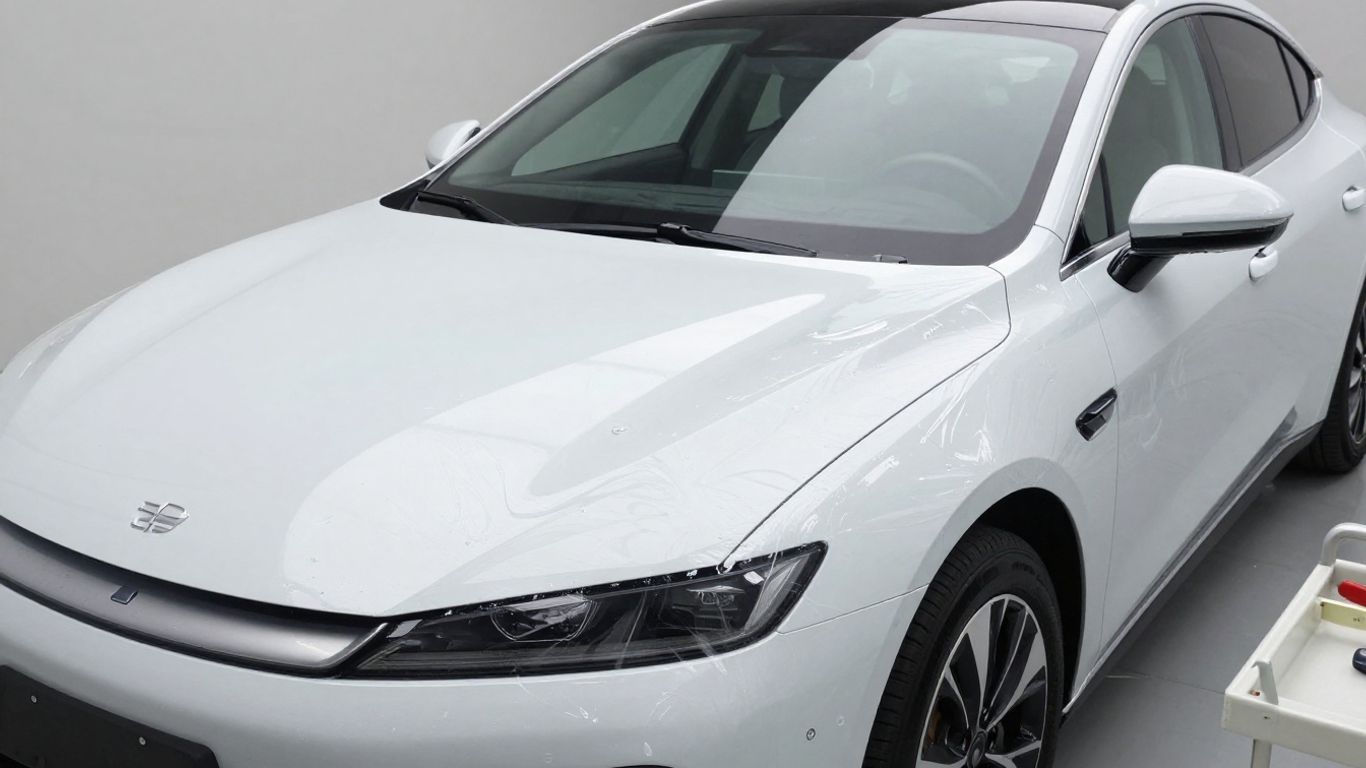
The Tesla-Protect pre-cut DIY PPF kits are described as fully transparent and precision-cut for Tesla Model Y and Model 3 applications, including front, side, door sill, fender, and broader kit options. That kind of coverage menu can help an owner build a plan around vulnerable panels rather than buying more film than necessary.
Full-front coverage for high-impact zones
A full-front package commonly focuses on the bumper, leading hood area, front fenders, and mirrors, though the exact pattern depends on the vehicle and kit. This approach protects the surfaces most directly exposed to stones and grit. It also creates a visually coherent boundary instead of stopping at an arbitrary point on one panel.
Before ordering, confirm the exact model year, trim, panel configuration, and intended coverage. A pattern made for a similar-looking vehicle may not align correctly around sensors, contours, or revised bodywork.
Rocker panels, doors, and rear wheel arches
Lower doors and rocker panels collect spray, sand, and debris thrown by the tires. Rear wheel arches are also vulnerable because the rotating tire can direct grit against the surrounding paint. These areas may be sensible additions even when the owner chooses only partial front coverage.
Door sills and handle areas face a different kind of wear from shoes, hands, and repeated contact. Protecting them is less about highway stone chips and more about preserving high-touch surfaces.
Full-body installations for maximum paint protection
Full-body PPF covers more painted area and produces the most consistent level of protection. It may appeal to owners who keep a vehicle for many years, drive in harsh conditions, or want to minimize differences between exposed and protected panels. The larger surface area also makes preparation, pattern matching, and inspection more consequential.
Full coverage is not automatically the best choice. A car that is already heavily marked may need correction before film is applied, and any existing flaw can remain visible beneath a clear layer.
Balancing coverage, appearance, and budget
A useful plan ranks panels rather than treating every surface as equally important. Consider the following sequence when comparing packages:
- Protect the front bumper and leading edges first.
- Add rocker panels and rear wheel arches for heavy road exposure.
- Include door sills and high-touch areas when everyday contact is a concern.
- Choose full-body coverage when consistency and long-term preservation outweigh the added cost.
This tiered approach keeps the decision practical. It also leaves room to add coverage later, provided the new film can be matched and the underlying paint is in suitable condition.
Comparing Tesla paint protection film materials and finishes
PPF is not one uniform material with one appearance. Films can differ in finish, thickness, topcoat behavior, adhesive, pattern availability, and warranty terms. Looking closely at a sample under direct and indirect light is often the fastest way to notice differences that are hard to describe on a product page.
Gloss, matte, satin, and color-changing options
Gloss film aims to blend with a conventional painted finish, while matte and satin films create a softer, less reflective appearance. Color-changing options alter the visual character of the vehicle more noticeably and should be judged as a styling decision as well as a protective one. A replacement panel can be harder to match when the finish is unusual or has aged differently.
Finish selection should account for the whole vehicle. Applying one texture to only a small panel can look intentional when it follows a design line, but accidental when it ends in the middle of a broad surface.
Film thickness, clarity, and orange peel
Thickness can influence impact resistance, installation behavior, and how prominently edges appear. Clarity matters on light and dark paint alike, while orange peel describes a textured surface that can affect reflections. A thicker film is not automatically the best visual choice if its surface texture is distracting or its edges are difficult to hide.
Ask to see an installed sample rather than judging only a loose sheet. Curved panels can make texture, distortion, and reflected light more apparent than a flat sample suggests.
Adhesive quality, edge coverage, and paint safety
The adhesive must hold securely without creating avoidable removal risk when the film is installed and removed according to its instructions. Edge coverage depends on the pattern, panel geometry, installer technique, and whether an edge can be safely wrapped. Sensors, trim, badges, and tight body lines require deliberate handling.
A clean edge is both a visual and maintenance advantage. It gives fewer places for dirt to collect and makes it easier to notice a lifting section before it spreads.
Manufacturer warranties and expected service life
Warranty language deserves a careful read because coverage may address defects differently from accidental damage, poor maintenance, or installation problems. Look for the stated term, exclusions, transfer rules, and the party responsible for submitting a claim. Expected service life also depends on sun exposure, washing, contamination, and the condition of the film’s topcoat.
Keep invoices, product details, and installation records together. Those documents can make a future repair discussion much simpler, especially when the film was installed by someone other than the vehicle owner.
Understanding Tesla PPF costs and value
The cost of Tesla PPF varies widely because coverage, preparation, material, and labor all change the job. A small set of high-impact panels is a different project from a full-body installation requiring extensive access and inspection. The right comparison is not just the quoted total, but what that total includes.
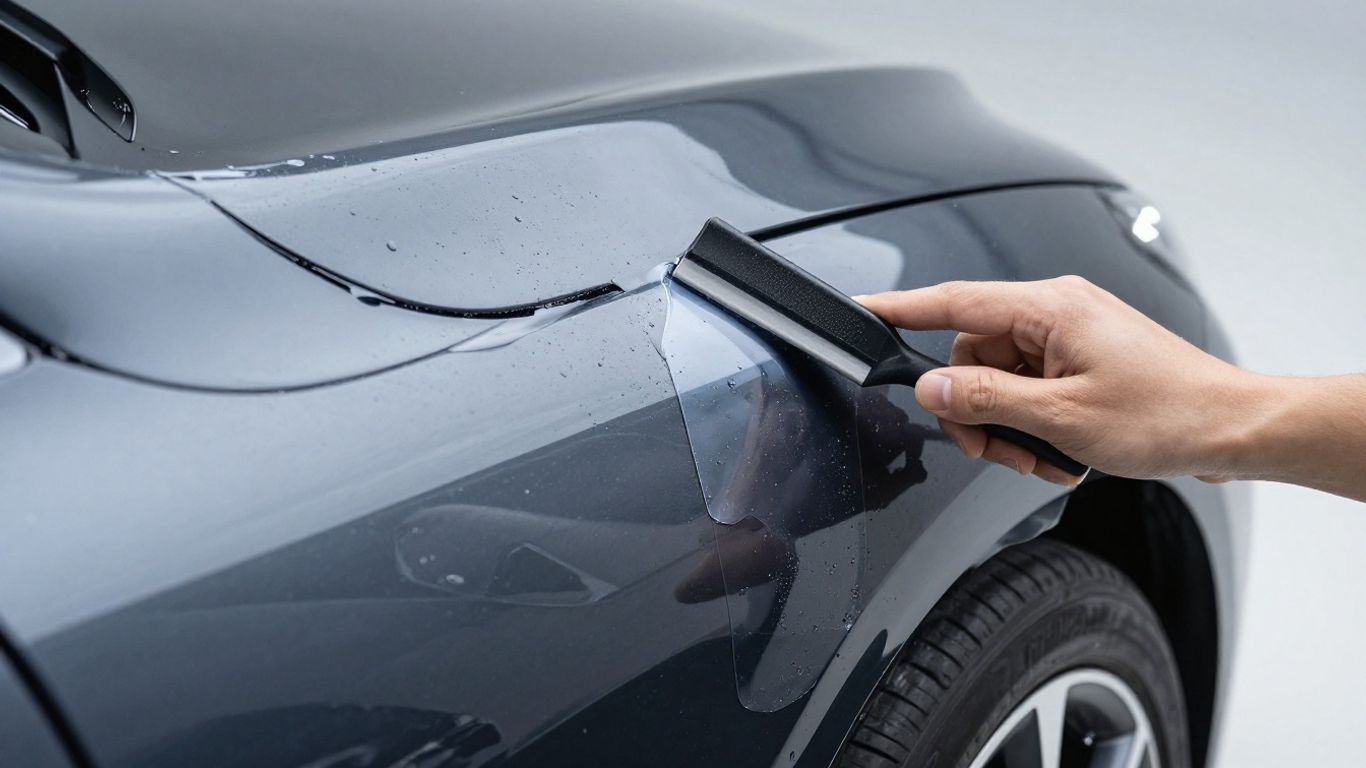
Pricing guides can offer rough context, but they should not replace a vehicle-specific estimate. Ask whether paint correction, removal of old film, taxes, edge wrapping, and post-installation inspection are included before comparing one quote with another.
Factors that influence installation pricing
Labor is affected by panel count, body contours, access, pattern complexity, and the condition of the paint. A vehicle with existing contamination or visible marks may require more preparation. Material choice and finish can also change the price, particularly when the installer must order specialized patterns or handle a less forgiving surface.
Location and shop demand matter too. Two reputable installers may quote different amounts while offering different preparation standards, turnaround times, and warranty support.
Cost differences between partial and full coverage
Partial coverage usually costs less because it uses fewer materials and requires less labor. Full coverage costs more but protects a broader area and can avoid the visual contrast between treated and untreated panels. The value depends on how long the vehicle will be kept and how costly a future repaint or cosmetic repair would be.
A useful comparison is to separate the vehicle into protection zones:
| Coverage zone | Typical reason to choose it | Main trade-off |
|---|---|---|
| Front end | Frequent highway or gravel exposure | Leaves side panels unprotected |
| Rockers and rear arches | Tire-thrown grit and lower-body wear | Adds seams and installation time |
| High-touch areas | Shoes, hands, and repeated contact | Protects limited surface area |
| Full body | Broad, consistent paint preservation | Highest material and labor cost |
This breakdown makes it easier to spend first on the panels most likely to be damaged. It also gives an installer a clearer brief when requesting a customized estimate.
Pre-cut DIY kits versus professional installation
Pre-cut kits can reduce labor cost and are designed around specific vehicle patterns. The Tesla-Protect pre-cut DIY PPF kits are presented as options that owners fit themselves, with transparent, precision-cut coverage for selected Tesla areas. That can be attractive when the owner has a suitable workspace and accepts the learning curve.
Professional installation adds labor, but it may reduce visible contamination, stretched edges, trapped moisture, and pattern misalignment. A lower purchase price is not necessarily a lower total cost if a failed application must be removed and replaced.
When PPF offers better value than repainting
PPF tends to offer stronger value when the goal is preventing many small cosmetic defects over years of driving. Repainting may be more appropriate after a deep impact, extensive existing damage, or a panel that already needs bodywork. Film cannot restore damaged paint underneath it.
Think of PPF as a maintenance and preservation expense. Its value is highest when applied to sound paint and maintained well, not when used to conceal serious defects.
Deciding between a DIY kit and professional installation
DIY installation can be rewarding, but the film is large, flexible, and sensitive to dust, temperature, moisture, and handling. Professional work is not automatically flawless either, so the decision should consider the quality of the workspace, the complexity of the panels, and the owner’s tolerance for visible imperfections. A small, flat section is a gentler first project than a broad bumper.
Tools, workspace, and skill requirements for DIY application
A clean, enclosed workspace is more important than an expensive garage. The installer typically needs suitable slip and tack solutions, lint-free cleaning materials, a squeegee, a knife used with great care, lighting, and enough room to reposition the film without dragging it across dirty surfaces. Patience is part of the equipment.
The Model Y installation guide covers preparation, slip solution, and applying pieces to rear doors, making it a useful reference for someone evaluating the process before starting. Reading instructions first helps reveal whether the project matches the available time and skill.
Common installation mistakes and their consequences
Rushing preparation is one of the most common ways to create a poor result. Dust becomes a permanent-looking speck, excessive stretching can distort a pattern, and insufficient solution control can leave fingers or creases. Cutting directly on paint introduces a risk that is difficult to justify when a safer pattern or trimming method is available.
Small flaws may settle during curing, but larger wrinkles, contamination, and torn edges usually require lifting or replacement. Knowing when to stop can prevent a minor issue from becoming a damaged panel or unusable piece of film.
Benefits of certified Tesla PPF installers
An experienced installer can assess paint condition, choose an appropriate pattern, and work around contours, trim, and sensors with less guesswork. The practical benefit is consistency: clean preparation, controlled tension, and edges that are easier to inspect and maintain. Certification alone is not a guarantee, so examples of recent work still matter.
Ask to see close-up photographs of corners, wheel arches, and transitions. Those details reveal more about workmanship than a distant photograph of a completed vehicle.
Questions to ask before choosing an installer
A short conversation can expose major differences between shops. Ask what film is being used, how the paint will be prepared, which edges can be wrapped, and how defects are handled after delivery. Also clarify whether the quote includes removal, correction, curing guidance, and warranty assistance.
The answers should be specific rather than vague. A shop that explains limitations clearly is often easier to work with than one that promises an invisible result on every panel.
What to expect during a Tesla PPF installation
A proper installation is a controlled sequence rather than a quick application. The vehicle is assessed, cleaned, prepared, patterned, installed, and inspected. Timing depends on coverage and condition, so a realistic schedule is preferable to a rushed handover.
Paint correction and surface preparation
The paint must be free of wax residue, road film, dust, and bonded contamination before adhesive film is placed. Installers may clay, chemically decontaminate, polish, or correct selected marks when appropriate. Preparation should be discussed in advance because correction can change both price and the appearance beneath clear film.
The cleanest possible surface does not eliminate every risk, but it gives the adhesive a better foundation. It also prevents old contamination from becoming trapped under a newly installed layer.
Plotter-cut patterns versus hand-cut applications
Plotter-cut patterns are produced from digital templates and can reduce the need to cut near painted surfaces. Hand-cut work may be useful for unusual shapes, custom coverage, or adjustments that a standard pattern does not provide. Neither method guarantees a perfect result without careful fitting and finishing.
The key question is how the installer manages the pattern around edges and curves. A pattern that is technically accurate can still look poor if it is stretched unevenly or positioned without regard to the panel’s visual lines.
Managing seams, edges, sensors, and body contours
Seams should be placed where they are least distracting and easiest to keep clean. Tight curves may require relief cuts, controlled heat, or a different pattern strategy. Sensors and trim should not be treated as afterthoughts; their surroundings need enough clearance for a secure, tidy finish.
Some edges can be wrapped, while others must terminate on the panel face for safety or access reasons. A clear explanation of those boundaries lets the owner judge the finished work fairly.
Curing time and inspection after installation
Freshly installed film may show temporary moisture or small visual changes as it settles. The installer should explain when the vehicle can be washed, exposed to weather, or driven normally. An inspection after curing gives the shop a chance to address lifting edges, persistent contamination, or areas that need attention.
Walk around the vehicle in direct light and shade during the inspection. Check corners, panel transitions, wheel arches, and high-touch zones, then keep the care instructions and warranty paperwork for later reference.
Maintaining and repairing Tesla paint protection film
PPF lasts longer when it is treated as a finished surface rather than scrubbed like unprotected paint. Regular washing removes abrasive grit before it can be dragged across the film. Maintenance is simple, but harsh chemicals, aggressive tools, and neglected contamination can shorten its attractive service life.
Safe washing products and techniques
Use clean wash media, a mild vehicle shampoo, and plenty of water. Rinse loose grit away first, work from cleaner upper panels toward the lower areas, and dry with a soft towel rather than allowing mineral-heavy water to sit. Avoid aggressive polishing unless the film manufacturer specifically permits it.
Automatic brushes can introduce marks and lift vulnerable edges. Hand washing is usually easier to control, particularly around seams, corners, and lower panels that collect grit.
Removing stains, contamination, and light marks
Bird residue, insects, tree sap, and road film should be softened and removed rather than scraped. A damp microfiber cloth and an approved cleaner can handle many fresh deposits. For stubborn contamination, follow the film maker’s care guidance and test any product in an inconspicuous area first.
Light surface marks may lessen with warmth when the film has a suitable self-healing topcoat. Do not assume that heat will repair a cut, puncture, cloudy adhesive issue, or damage that has reached the paint.
Signs that PPF needs repair or replacement
A lifted edge, expanding bubble, torn section, yellowing, cracking, or persistent haze can signal that a piece needs professional attention. Damage near a seam deserves prompt inspection because dirt and water can work farther beneath the film. If the underlying paint is exposed, the protective purpose of that section has already been reduced.
Replacement is often limited to one panel or pattern section, although matching an aged film can be difficult. Photographing the issue early can help with both diagnosis and a warranty conversation.
Warranty claims, peeling edges, and long-term care
Keep the installer’s invoice, film details, delivery inspection notes, and maintenance records. If an edge peels or a defect appears, avoid trimming or re-adhering it yourself before contacting the installer, since that may complicate assessment. Follow the documented warranty process and provide clear photographs.
Long-term care is mostly consistent washing, sensible parking when possible, and quick action when contamination or lifting appears. Periodic inspection is especially worthwhile around wheel arches, panel edges, and other areas exposed to repeated spray.
Conclusion
The best Tesla paint protection film plan matches coverage and finish to the way the vehicle is driven. Prioritize high-impact panels, compare installation methods honestly, inspect the work carefully, and maintain the film gently so it can continue doing its job without becoming a new source of worry.
Frequently Asked Questions
What is paint protection film?
Paint protection film is a clear or finished layer applied over painted vehicle panels to help reduce the effect of chips, scratches, abrasion, and environmental contamination.
Which vehicle areas usually benefit most from PPF?
The front bumper, leading hood and fender areas, mirrors, rocker panels, and rear wheel arches commonly receive the most attention because they face road debris and tire-thrown grit.
Is full-body coverage always necessary?
No. Partial coverage can be sensible when the main goal is protecting high-impact zones, while full-body coverage suits owners who want broader and more consistent protection.
How long does a PPF installation take?
Time varies with the amount of coverage, vehicle condition, pattern complexity, and preparation required. A shop should provide a project-specific estimate rather than a universal promise.
Can PPF hide existing paint damage?
It can make some minor visual marks less noticeable, but deep scratches, chips, corrosion, and body damage remain beneath clear film and may need correction first.
Can PPF be washed like normal paint?
Yes, with gentle methods: rinse away grit, use a mild vehicle shampoo and clean wash media, avoid abrasive brushes, and follow the film maker’s recommendations for chemicals and drying.
When should damaged PPF be replaced?
Replacement is worth discussing when film is torn, cracked, yellowed, persistently hazy, badly contaminated, or lifting enough to expose the paint or collect dirt beneath the edge.