
Key Takeaways
Maintaining the braking system is essential for your vehicle’s safety and longevity. This guide covers everything from understanding regenerative braking effects to selecting the right components for your driving habits.
- Regenerative braking reduces routine pad and disc wear significantly.
- Regularly monitor for signs of corrosion caused by lack of usage.
- Replacement intervals depend on driving style and regional road conditions.
- Choosing high-performance rotors can enhance stopping control during spirited driving.
- Proper maintenance protects the integrity of your braking hardware over time.
Understanding the brake system on your Tesla Model Y
Daily operation of a modern electric vehicle relies on a dual-approach braking strategy. While traditional mechanical friction is always available, the primary stopping power for everyday commuting often originates from the electric motor’s resistance. This setup changes how owners perceive the typical lifespan of consumable components like rotors.
How regenerative braking impacts brake disc wear
Because the electric motor performs most of the deceleration, the mechanical friction brakes are used significantly less. This reduced workload often means that corrosion becomes a more pressing concern than standard thinning caused by usage. Drivers should ensure that they periodically engage the mechanical brakes firmly to keep pads and discs operating smoothly without seizing.
Identifying stock rotor specifications
Factory rotors are designed to meet specific safety and performance criteria required for a vehicle of this curb weight. You can consult the Brakes section of your manual to confirm the exact material and thickness parameters for your specific trim level. Understanding the baseline ensures you know exactly when a component has drifted outside of manufacturer-recommended tolerances.
Signs of corrosion and wear in electric vehicles
Because the hardware sees limited friction, surface rust can accumulate quickly if the vehicle sits for extended periods or operates in high-humidity climates. This rust might cause vibration upon braking or an audible grind that dissipates after a few stops. If the surface coloration does not clear after several firm applications, the metal might require professional resurfacing or total replacement.
When to replace your Tesla Model Y brake discs
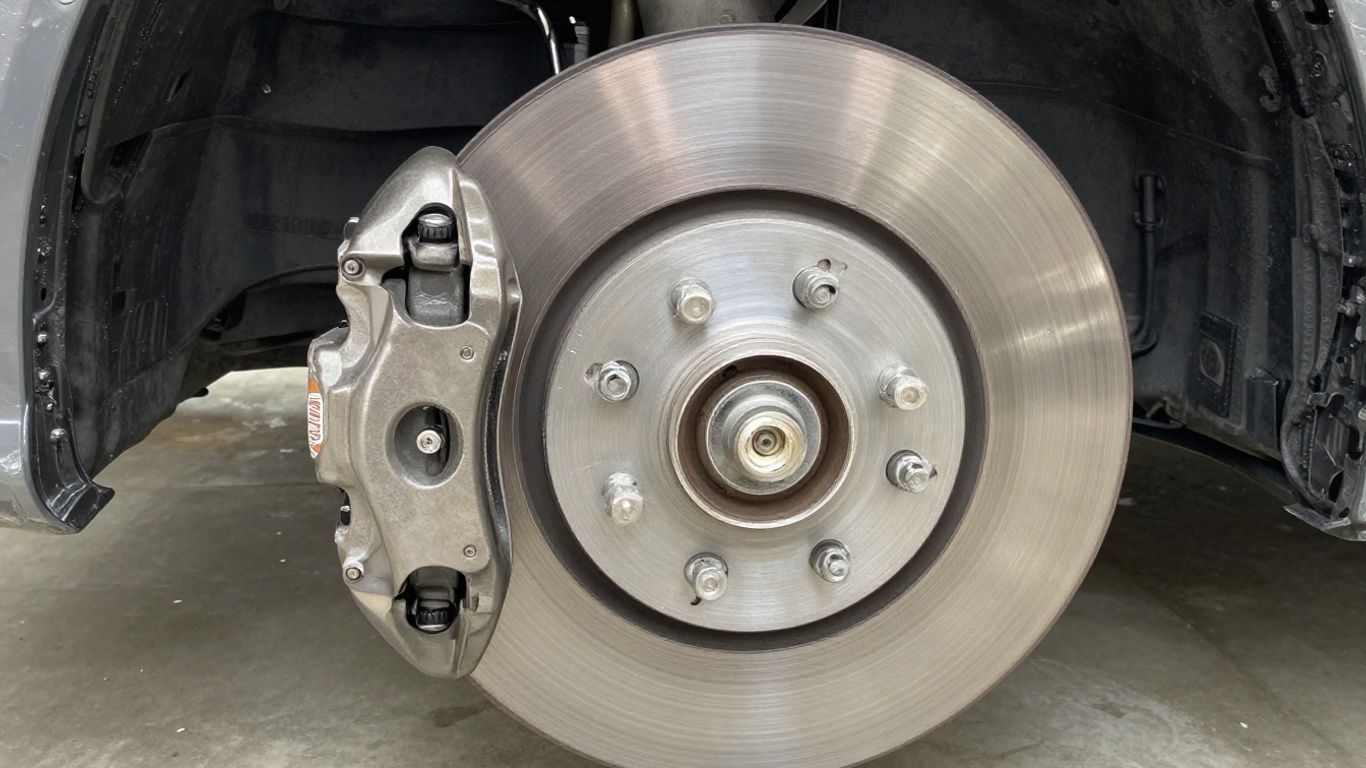
Knowing exactly when to swap your hardware involves more than just looking at the mileage indicator on your dashboard. Environmental factors combined with your specific personal driving profile dictate how quickly the metal surfaces degrade. Monitoring your vehicle through visual inspection and tactile feedback remains the most reliable way to gauge health.
Detecting common symptoms of warped rotors
If you feel a repetitive pulsing sensation through the brake pedal while decelerating, the rotors have likely developed uneven contact surfaces. While modern manufacturing is precise, heat cycling during heavy stops can eventually cause distortion. Always check if the pulsation remains constant at different vehicle speeds to rule out tire balance issues.
Measuring disc thickness for safety standards
Your rotors have a minimum thickness specification etched into the housing. Using a digital caliper during a tire rotation allows you to track wear trends precisely over time. If the remaining metal is dangerously thin and prone to failure, the component loses its ability to dissipate heat, leading to potential brake fade during emergency situations.
Evaluating the impact of heavy towing or high-performance driving
Drivers who frequently utilize the full potential of their vehicle or tow heavy loads put significantly more strain on the system. This extra heat requires hardware that can handle higher thermal loads without losing stopping effectiveness. Sustained high-performance driving typically mandates more frequent inspection intervals compared to a standard light-duty commute.
Comparing different types of replacement brake discs
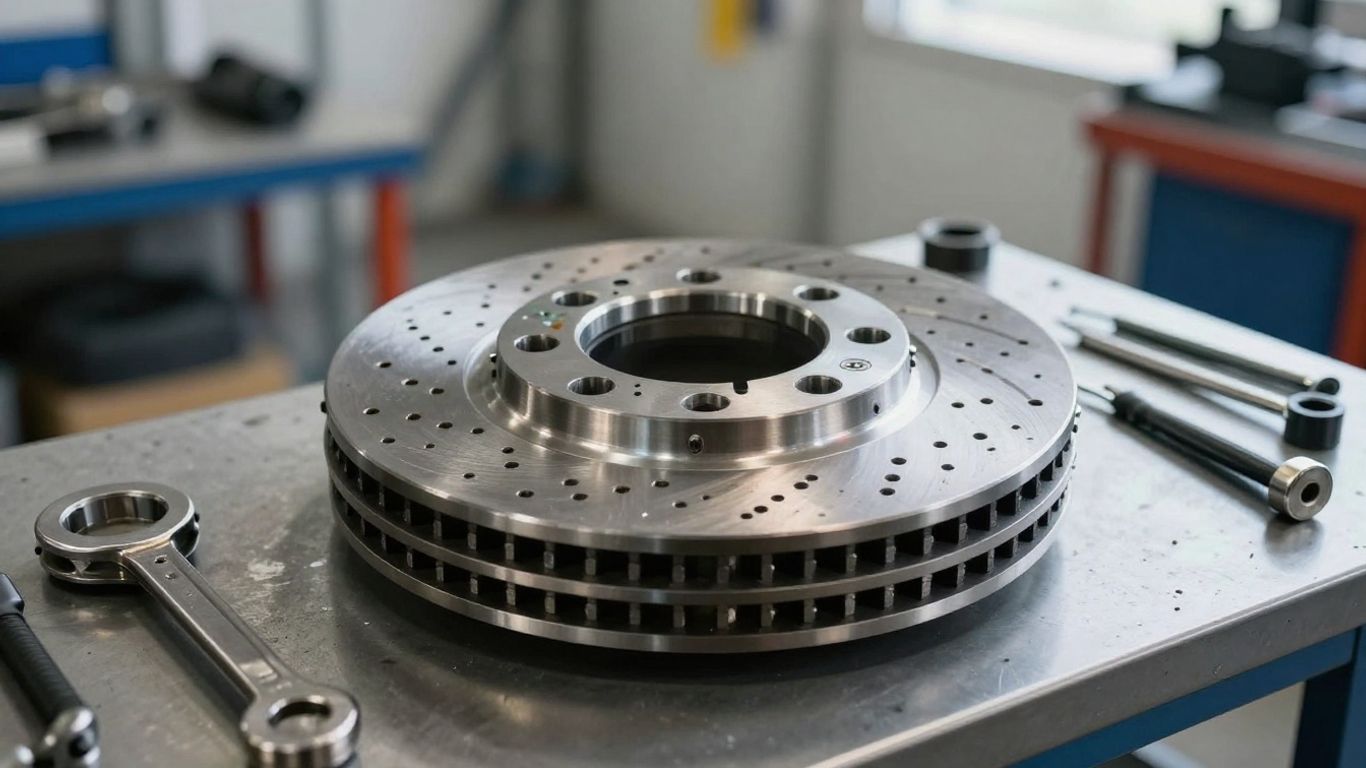
Selecting aftermarket upgrades can provide better thermal management and a sportier aesthetic for your daily drive. Whether you prioritize longevity or immediate bite, matching the component to your actual usage scenario is essential for success. Always consider the cooling properties of any new hardware you install.
Solid versus vented rotor designs
Standard vented rotors are excellent for general use because they move cooling air from the center of the disk to the edges. Solid rotors have limited cooling capacity, often resulting in premature heat soak under spirited driving conditions. For a performance-oriented vehicle, vents are generally the superior choice for preventing disc deformation.
Advantages of cross-drilled and slotted rotors
Implementing premium Cross-Drilled & Slotted Brake Rotors provides a notable improvement over factory hardware in demanding conditions. These designs facilitate superior gas removal and heat dissipation, which keeps the pedal feel consistent even during repeated hard stops. They are particularly effective in wet weather for clearing moisture away from the contact patch.
Performance benefits of two-piece rotor kits
For those pushing their vehicle on track days, Page Mill Two-Piece Front Rotors offer a significant weight reduction and enhanced cooling through dedicated airflow veins. While they might be more expensive, their ability to reduce unsprung mass can improve handling responsiveness. Consider this an investment rather than a simple maintenance part.
Choosing the right components for your driving needs
Selecting hardware that aligns with your commute helps ensure both reliability and cost-effectiveness. It is tempting to choose the most aggressive option available, but sometimes a high-performance part introduces excessive noise or dust. Balancing your needs requires looking at the technical specifications of each component set.
Balancing street performance with daily commuting
Most owners benefit from standard replacements, but those wanting high-quality brake parts can find upgrades that offer better durability without track-level compromises.
Compatibility with original equipment versus aftermarket brake pads
Mixing different brands of pads and rotors can occasionally result in subpar performance if the friction materials do not synergize well. Always ensure your chosen pads are rated to handle the temperature ranges of your selected discs.
Material considerations for long-term durability
When buying parts, consider the following durability factors compared to traditional setups:
| Feature | Stock Rotors | Performance Upgrade | Racing Spec |
|---|---|---|---|
| Material composition | Standard Cast Iron | Alloy-Coated Iron | High-Temp Composite |
| Corrosion resistance | Moderate | High (Zinc Coating) | None |
| Peak operating temp | Moderate | High | Excellent |
Selecting the right material ensures the metal holds up against environmental stressors like road salt and moisture over several years.
Essential steps for Tesla Model Y brake maintenance
Maintaining the system properly is as important as choosing the right hardware for your vehicle. A well-executed service schedule keeps the mechanical components operating safely and reliably for years to come. Do not hesitate to seek professional help if a task feels outside your comfort zone.
Safety protocols for handling high-voltage vehicle systems
Always ensure that your vehicle is powered down properly before performing any work on the wheel assembly. While the mechanical brake system is independent of the battery, taking standard electrical safety precautions is a wise habit. Never place any part of your body under the vehicle without proper jack stand support.
Recommended tools for rotor removal and installation
Successful DIY brake work requires a few dedicated pieces of equipment to ensure the job is done according to modern technical standards:
- High-quality torque wrench for lug nut and caliper bolt tensioning.
- A set of precision brake cleaners to prep new metal surfaces.
- Specialized caliper piston retractors to handle modern actuator systems.
- A wire brush for clearing debris from the wheel hub mounting surface.
Gathering these tools beforehand saves significant time during the removal process.
Proper bedding-in procedures for new brake discs
Bedding-in ensures a consistent transfer layer of brake pad material onto the rotor surface for optimal friction. Following the manufacturer’s specific speed and deceleration cycles is crucial for preventing uneven deposits. Skipping this phase can lead to premature judder or decreased initial performance.
Lubrication tips for caliper pins and contact points
Properly lubricating the contact points ensures that the brake pads retract evenly and do not stick during normal operation. Use a high-temperature synthetic grease rated for metal-to-metal contact to minimize noise and ensure consistent performance over the long term. Avoid getting any grease on the rotor surface or pad friction material.
Conclusion
Taking proactive care of your braking components ensures your vehicle remains reliable and safe throughout its entire lifetime. By understanding how regenerative braking interacts with your hardware, you can make informed decisions about maintenance and upgrades that truly match your everyday driving habits.
Frequently Asked Questions
Do I need to replace my rotors every time I replace my brake pads?
Not necessarily, as many rotors have sufficient thickness to allow for multiple pad swaps. Have a technician measure the disc thickness to determine if they meet the safety requirements to be used for another cycle.
Why do my Tesla brakes make a grinding noise after it rains?
Surface rust often forms on the metal rotor surface during wet conditions, which creates noise during the first few stops. This is typical, and the grinding should disappear once the brake pads polish off the light oxidation.
Are performance-oriented rotors noisier than stock versions?
Aggressive performance pads and rotors can sometimes produce more brake dust or noise during light application cycles. Choosing a compound designed for street use will typically keep your daily driving experience quiet and comfortable.
How often should I check my brake fluid levels?
It is recommended to have your brake fluid tested for moisture content during your annual service interval. High moisture content can reduce the boiling point of the fluid, which is dangerous for optimal stopping performance.
Can I paint my brake calipers to improve the look of my car?
Yes, many owners choose to add high-temperature caliper paint to customize the appearance of their wheel wells. Ensure you clean the calipers thoroughly before applying heat-resistant paint to achieve a long-lasting and professional result.
What should I do if I feel a vibration when hitting the brakes?
Minor vibrations are often caused by surface contaminants or minor warping of the rotors. If the vibration persists during multiple stop-and-go cycles, it is time to have a professional inspect the thickness and runout of the discs.
Is it safe to drive with rusted brake rotors?
Light surface rust is common and harmless, but heavy or deep-pitted rust can affect braking responsiveness and safety. If the rust is severe and prevents a smooth contact surface, the parts should be replaced immediately.